Why it works: Flour and sugar are a kitchen classic. They rank in the top 15% of all ingredient pairs, and cooks put them together in 92,116 recipes. Both carry phenylacetaldehyde, which smells hawthorne, honey. The science ↓
Rusks
Ingredients
Directions
Prepare the dough
Mix the flour, salt and ghee into a bowl.
Dissolve the sugar in the warm water and sprinkle in the yeast.
Leave to stand in a warm place for about 10 minutes until frothy.
Add yeast to the flour mixture and knead to a firm and elastic dough. This will take about 15-20 minutes.
Shape into a ball, place in a greased bowl and leave in a warm place for 3-4 hours or until double in size.
Knock the risen dough down, then knead again on a lightly floured surface for 3-4 minutes until smooth.
Shape and bake the loaves
Divide the dough in half.
Shape each piece into a long roll and place in a lightly greased 900 g (2 lb) loaf tin.
Cover the dough with oiled cling film or wet cloth and leave in a warm place to rise. The dough should rise to the rim, this will take about 45 minutes.
Brush the loaves with water or milk.
Bake at 450°F for 10 minutes. Reduce the temperature to 375°F and bake for a further 30-40 minutes.
Cool in the tins for 3-4 hours.
Make the rusks
Slice the loaf into thick pieces.
Arrange the rusks in single layers on baking sheets and bake for a further 10-15 minutes or until all moisture dries up.
Cool and store in an airtight container.
Nutrition, whole recipe (rough)
Counts 3 of 5 ingredients. The other 2 aren't in our nutrition table and add nothing above, so the real totals are higher.
What these numbers assume: 3 portions
| Ingredient | Portion assumed | kcal |
|---|---|---|
| Flour | 1 cup (125g) all-purpose | 455 |
| Sugar | 1 tbsp (12.5g) granulated | 49 |
| Salt | 1 tsp (6g) | 0 |
| Ghee | not in our table | 0 |
| Water | not in our table | 0 |
One typical portion per ingredient; the recipe's quantities are not counted. A rough guide only, not for medical or dietary planning.
Steps grouped into stages for easier reading; the method is the source's own.
Explore the science
The flavor team
The pairs that carry this dish. Each one is judged two ways: how much their aromas overlap, and how often cooks already put them together.
-
Flour + sugartop 15% of all pairsSmell alikemoderateCooked together92,116 recipes
Shared aroma: phenylacetaldehyde (hawthorne, honey).
-
Flour + gheetop 35% of all pairsSmell alikelowCooked together539 recipes
-
Sugar + gheetop 36% of all pairsSmell alikelowCooked together458 recipes
Ranks compare each pair with 20,000 random ingredient pairs on CompKitchen. How we score pairs
What each ingredient does
- Flour (maida)
- Forms the gluten network that gives the dough its structure and chew.
- Yeast
- Ferments sugars to produce gas that makes the dough rise.
- Ghee
- Adds fat that tenderises the crumb and gives a rich flavour.
- Sugar
- Feeds the yeast and adds a little sweetness and browning.
- Water
- Hydrates the flour so gluten can form and the dough becomes elastic.
The step that matters
Drying the rusks until all moisture is gone. Rusks stay crisp only if fully dried. Residual moisture left in the slices lets them soften and go stale in storage, so the final bake must continue until no moisture remains.
“What each ingredient does” and “The step that matters” were written by Claude from this recipe’s own method and reviewed in samples by CompKitchen.
More rusk recipes
You might also like
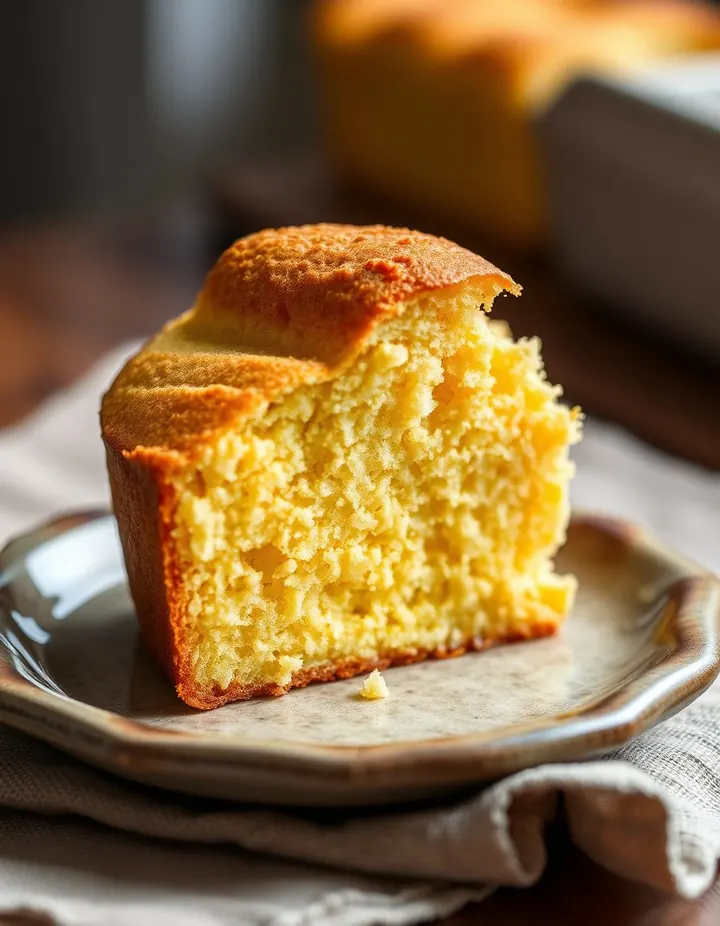 Cornbread345 recipes
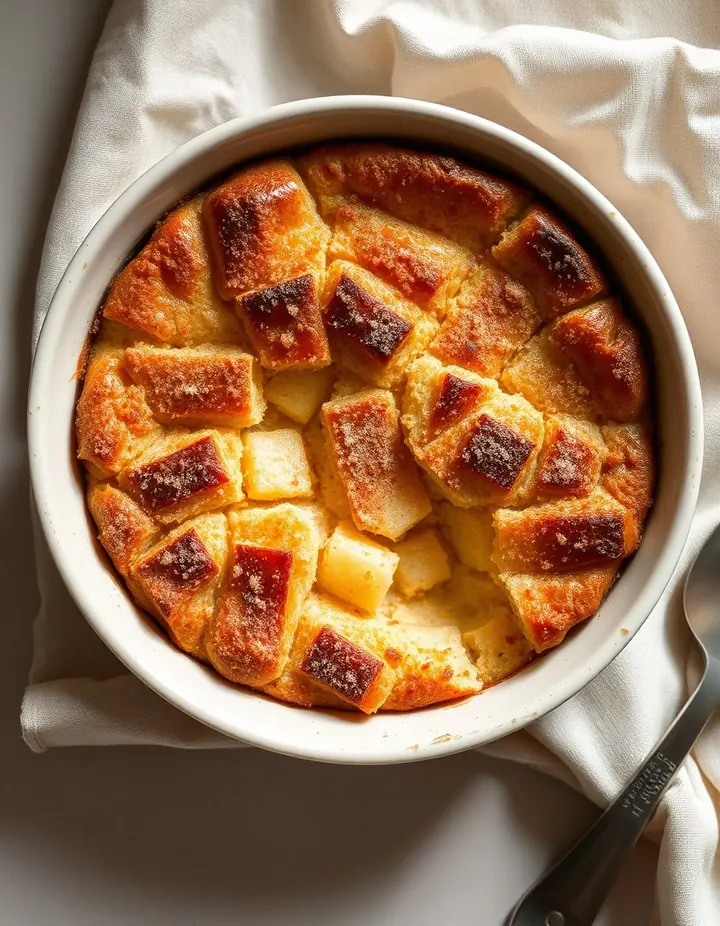 Bread Pudding336 recipes
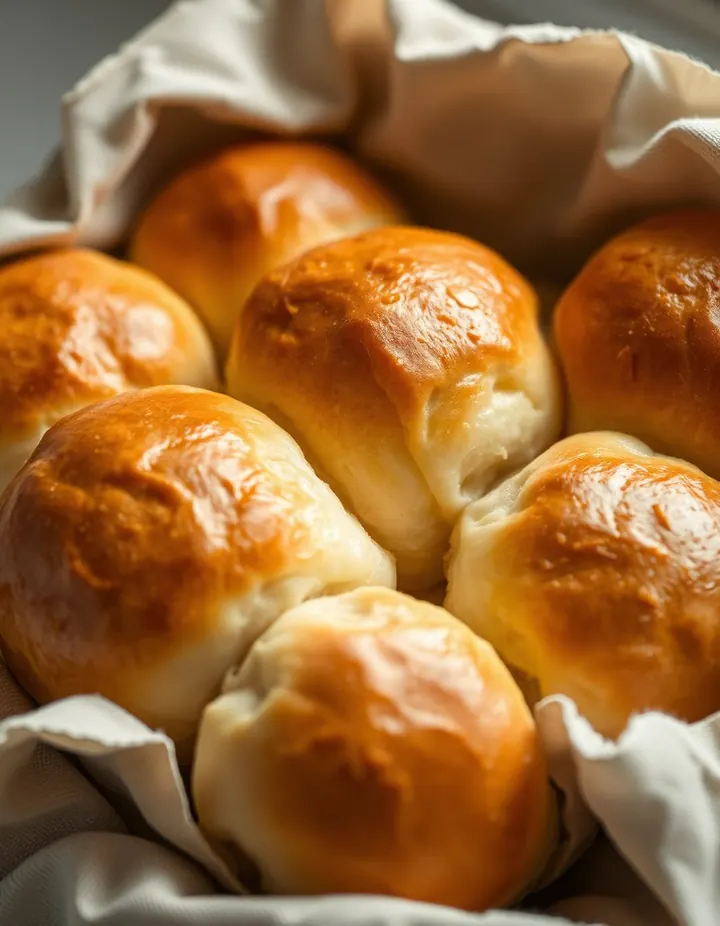 Milk Bread Rolls242 recipes
 Potato Bread124 recipes
The free Flavor Lab newsletter: one surprising pairing a week and the molecular reason it works, in 60 seconds. No spam, unsubscribe anytime.
Prefer an account? Create a free account to save pairings and unlock the full chemistry.