Why it works: Flour and butter are a kitchen classic. They rank in the top 12% of all ingredient pairs, and cooks put them together in 124,287 recipes. Both carry isobutyraldehyde, which smells malty, green. The science ↓
Lardy Cake
Ingredients
Directions
Make the dough
Grease a 20.5 x 25 cm (8 x 10 inch) roasting tin.
Blend the fresh yeast with 300 ml (1/2 pint) warm water.
If using dried yeast, sprinkle it into 300 ml (1/2 pint) warm water with the sugar and leave for 15 minutes, until frothy.
Put the flour and salt in a bowl and rub in 15 g (1/2 oz) of the lard.
Make a well in the centre and pour in the yeast liquid.
Beat together to make a dough that leaves the sides of the bowl clean, adding more water if necessary.
Turn on to a lightly floured surface and knead well for about 10 minutes, until smooth and elastic.
Place in a clean bowl.
Cover with a clean tea-towel and leave in a warm place for about 1 hour, until doubled in size.
Laminate and shape
Turn the dough on to a floured surface and roll out to a rectangle about 0.5 cm (1/4 inch) thick.
Dot one-third of the remaining lard and the butter over the surface of the dough.
Sprinkle over one-third of the fruit, peel and sugar.
Fold the dough in three, folding the bottom third up and the top third down.
Give a quarter-turn, then repeat the process twice more.
Roll the dough out to fit the prepared tin.
Put in the tin, cover and leave in a warm place for 30 minutes, until puffy.
Bake and serve
Score the top in a criss-cross pattern with a knife.
Bake at 220°C (425°F) mark 7 for about 30 minutes, until well risen and golden brown.
Turn out and serve immediately or leave to cool on a wire rack.
Serve plain or with butter.
Nutrition, whole recipe (rough)
What these numbers assume: 6 portions
| Ingredient | Portion assumed | kcal |
|---|---|---|
| Flour | 1 cup (125g) all-purpose | 455 |
| Lard | 1 tbsp (12.8g) | 115 |
| Butter | 1 tbsp (14g) | 102 |
| Grape | 1/2 cup (76g) | 62 |
| Sugar | 1 tbsp (12.5g) granulated | 49 |
| Salt | 1 tsp (6g) | 0 |
One typical portion per ingredient; the recipe's quantities are not counted. A rough guide only, not for medical or dietary planning.
Steps grouped into stages for easier reading; the method is the source's own.
Explore the science
The flavor team
The pairs that carry this dish. Each one is judged two ways: how much their aromas overlap, and how often cooks already put them together.
-
Flour + buttertop 12% of all pairsSmell alikelowCooked together124,287 recipes
Shared aroma: isobutyraldehyde (malty, green).
-
Sugar + flourtop 15% of all pairsSmell alikemoderateCooked together92,116 recipes
Shared aroma: phenylacetaldehyde (hawthorne, honey).
-
Butter + curranttop 17% of all pairsSmell alikemoderateCooked together7,856 recipes
Shared aroma: isoamyl acetate (banana, pear).
-
Sugar + buttertop 17% of all pairsSmell alikemoderateCooked together98,233 recipes
Shared aroma: guaiacol (smoky, sweet).
-
Flour + curranttop 26% of all pairsSmell alikelowCooked together8,077 recipes
Flour and butter barely smell alike, yet cooks put them together in 124,287 recipes: they work on texture and structure more than aroma.
Ranks compare each pair with 20,000 random ingredient pairs on CompKitchen. How we score pairs
What each ingredient does
- Strong white flour
- Its gluten forms the elastic network that traps gas and gives the dough structure.
- Fresh yeast
- Produces carbon dioxide as it ferments, making the dough rise and become light.
- Lard
- Layered into the dough, it creates flaky separation and a tender, short texture.
- Butter
- Layered into the dough, it adds richness and flavour and helps the crust brown.
- Sultanas and currants
- Add sweetness and moist, chewy pockets of fruit throughout the bread.
- Sugar
- Feeds the yeast when using dried yeast and adds sweetness and browning to the crust.
The step that matters
Laminating the dough with fat and fruit. Folding and turning the dough spreads the lard and butter in thin layers. If the dough is over-worked or too warm, the fat melts into it and the flaky, layered texture is lost.
Swap the currant
How well each one fits the dish's main ingredients (sugar, flour, butter):
- Raisinfits better
- Vanillafits better
- Figfits better
- Currantthe original
Fit is the average pairing score against sugar, flour, butter. Candidates are from the same food group and used in at least 100 recipes.
“What each ingredient does” and “The step that matters” were written by Claude from this recipe’s own method and reviewed in samples by CompKitchen.
You might also like
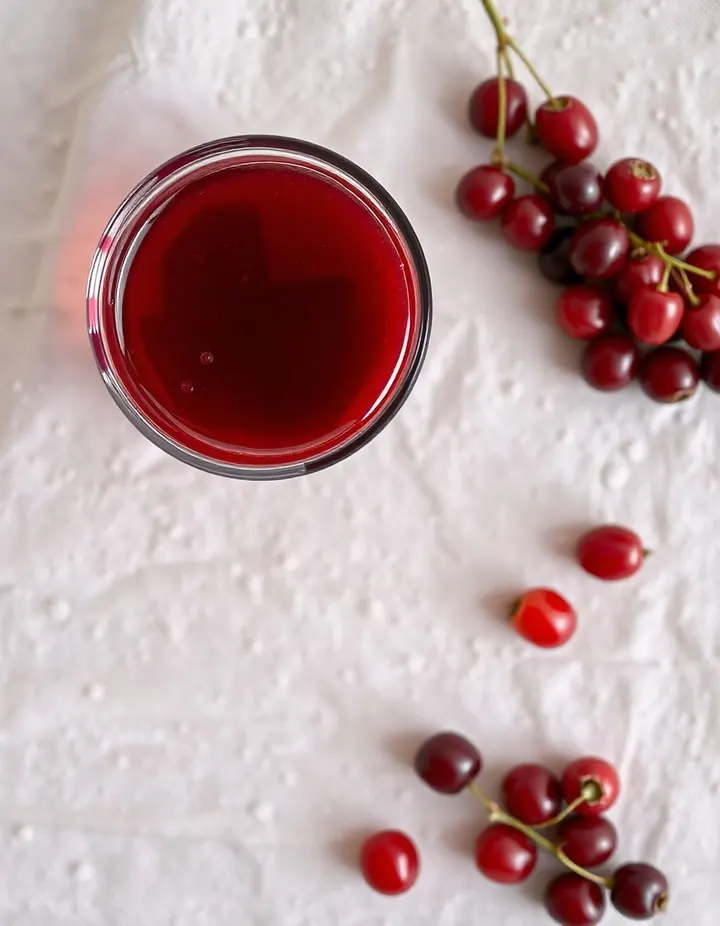 Red Currant Jelly65 recipes
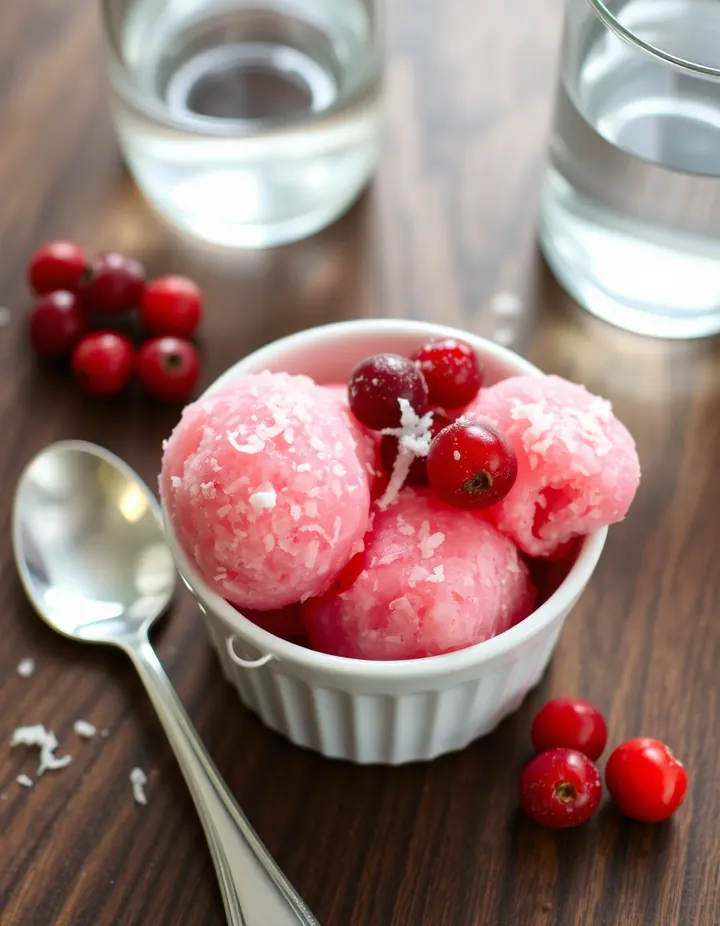 Currant Ice Cream32 recipes
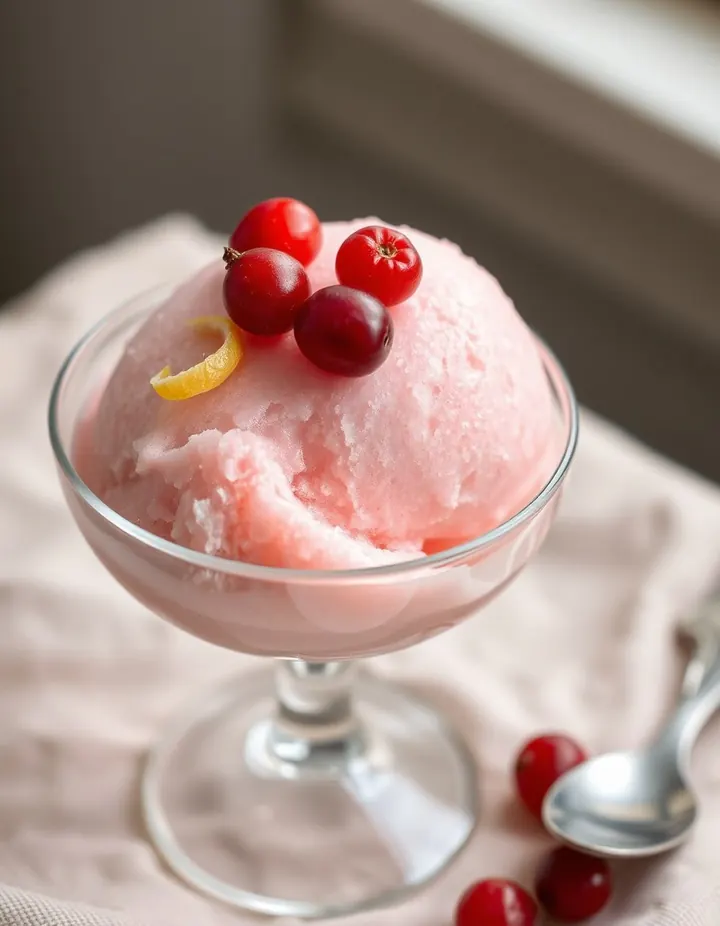 Currant Sherbet9 recipes
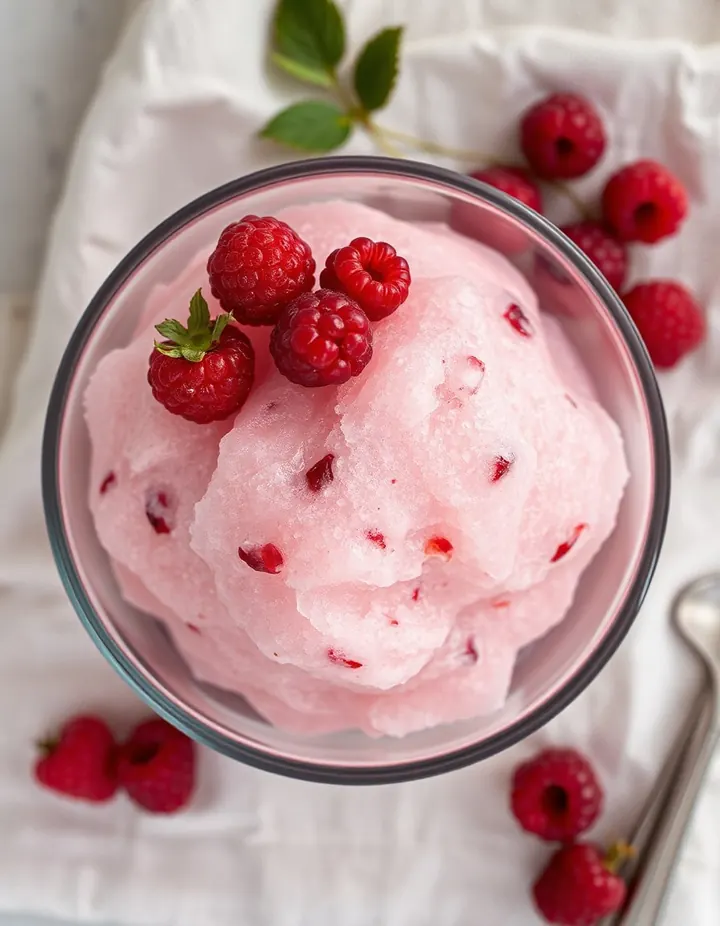 Currant and Raspberry Ice7 recipes
The free Flavor Lab newsletter: one surprising pairing a week and the molecular reason it works, in 60 seconds. No spam, unsubscribe anytime.
Prefer an account? Create a free account to save pairings and unlock the full chemistry.