Why it works: Mustard and parsley match in chemistry and in kitchens. They rank in the top 8% of all ingredient pairs, and 2,588 recipes mention both. Both carry trans-2-hexenal, which smells green, leafy. The science ↓
Mahogany Chicken Thighs with a Sweet Spicy Baste
Ingredients
Directions
Prepare
Heat oven to 450°F.
Line a 15×10 inch jelly roll pan with foil and coat the foil with cooking spray.
In a bowl, whisk together all ingredients for the spicy honey baste.
Roast the chicken
Brush the chicken thighs with the baste.
Roast the chicken for 40 minutes or until done.
Brush the chicken with the baste again during cooking.
Cook the orzo
In a saucepan, combine 3 quarts of water, bouillon cubes, and 1/2 teaspoon salt.
Bring the mixture to a boil.
Add the orzo and cook according to package directions.
Drain the orzo.
Transfer the orzo to a serving bowl.
Add the butter, parsley, and remaining salt to the orzo, then toss to mix.
Serve
Serve the chicken with the orzo.
This recipe comes from the Recipes Wiki on Fandom and is licensed CC BY-SA 4.0. Our formatting and summaries are shared under the same licence.
Steps grouped into stages for easier reading; the method is the source's own.
Explore the science
The flavor team
The pairs that carry this dish. Each one is judged two ways: how much aroma chemistry they share, and how many recipes mention both.
-
Mustard + parsleytop 8% of all pairsAroma overlapstrongMentioned together2,588 recipes
Shared aroma: trans-2-hexenal (green, leafy).
-
Chicken + mustardtop 13% of all pairsAroma overlapmoderateMentioned together2,192 recipes
Shared aroma: gamma-nonanolactone (coconut, creamy).
-
Sauce + mustardtop 13% of all pairsAroma overlapmoderateMentioned together2,120 recipes
Shared aroma: ethanol (alcoholic, ethereal).
-
Honey + buttertop 14% of all pairsAroma overlapmoderateMentioned together2,327 recipes
Shared aroma: anethole (sweet, anise).
-
Sauce + buttertop 15% of all pairsAroma overlaplowMentioned together15,338 recipes
Shared aroma: ethanol (alcoholic, ethereal).
Sauce and butter share little aroma chemistry, yet 15,338 recipes mention both: they likely work on texture and structure more than aroma.
Ranks compare each pair with 20,000 random ingredient pairs on CompKitchen. How we score pairs
What each ingredient does
- Bone-in chicken thighs
- Bone and skin hold in moisture while the meat cooks through, keeping it juicy.
- Honey
- Caramelises in the oven, adding sweetness and helping the chicken brown and glaze.
- Soy sauce
- Adds salty, savoury depth to the baste and helps the glaze brown.
- Spicy brown mustard
- Adds tang and heat to the baste, balancing the sweetness of the honey.
- Orzo
- Small pasta that absorbs the cooking water and butter, giving the dish its starchy base.
- Butter
- Adds richness and fat, coating the orzo and giving it a smooth texture.
The step that matters
Brush the chicken with the baste during roasting. Honey and soy sugars darken quickly at 450°F, so the baste can scorch if applied too late or too often. Brushing it on at intervals builds a glaze while the chicken cooks through.
Flavor stand-ins for the parsley
How well each one fits the dish's main ingredients (chicken, honey, sauce, mustard, butter):
- Capersbetter flavor fit
- Tarragonbetter flavor fit
- Thymebetter flavor fit
- Parsleythe original
Fit is the average pairing score against chicken, honey, sauce, mustard, butter. Candidates are from the same food group and used in at least 100 recipes. This compares flavor only: it does not check the job the ingredient does in the dish (bulk, moisture, acidity, structure).
“What each ingredient does” and “The step that matters” were written by Claude from this recipe’s own method and reviewed in samples by CompKitchen.
You might also like
 Chicken Broth257 recipes
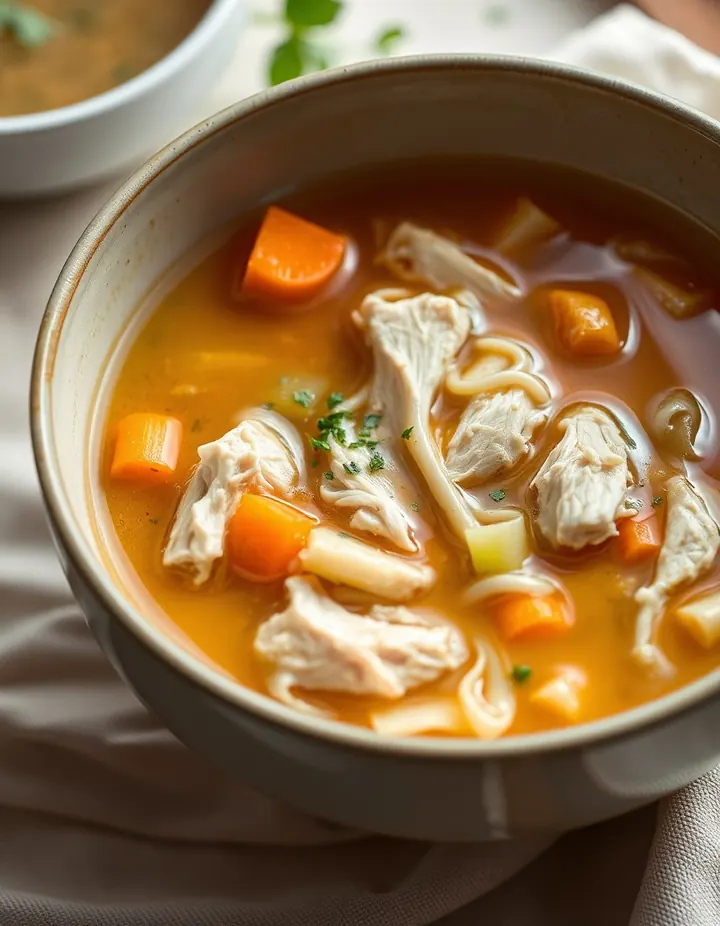 Chicken Soup156 recipes
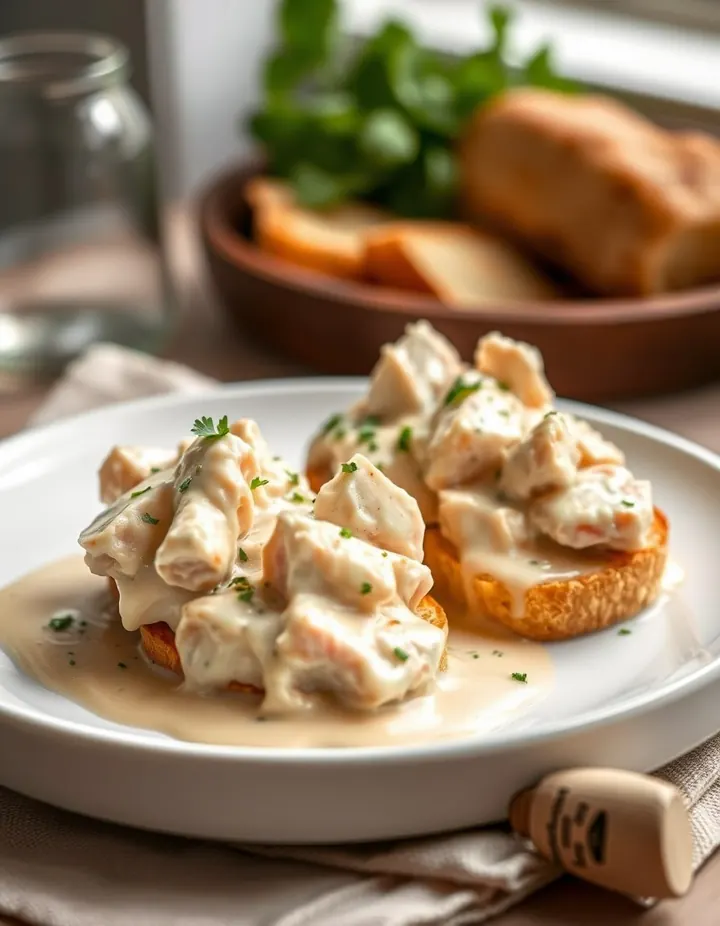 Creamed Chicken89 recipes
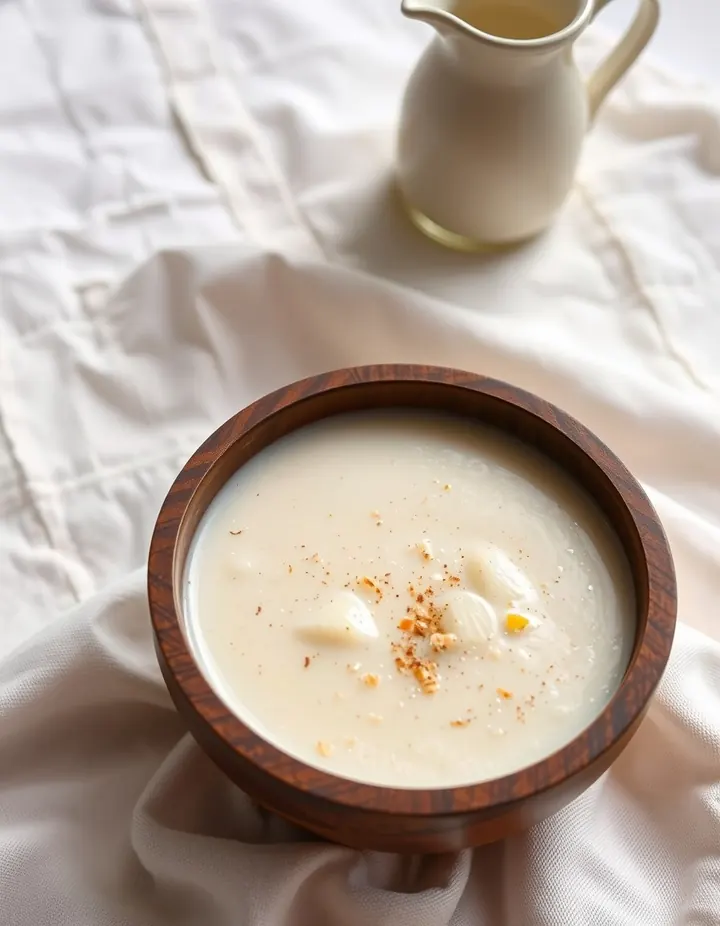 Chicken Panada75 recipes
The Sunday pairing: one pairing, the chemistry behind it, and how to cook it. No spam, unsubscribe anytime.
Prefer an account? Create a free account for sign-in; Pro adds the full results and chemistry.