Why it works: Cardoon and olive work together. They rank in the top 17% of all ingredient pairs, and 6 recipes mention both. Both carry coumarin, which smells sweet, hay. The science ↓
The recipe
Ingredients
Directions
Prepare
Wear gloves while preparing cardoons.
Soak trimmed cardoons in a bowl of water with 1 tablespoon salt and lemon juice to prevent discoloration.
Trim 1 inch from the top and cut the base to separate stalks.
Peel strings, cut cardoons into 2-inch pieces, and place in the basin with the salted, acidulated water.
Cook the cardoons
Drain and rinse cardoons, then boil them in a pot with 1½ tablespoons salt and water covering them by 2 inches.
Simmer uncovered; after 45 minutes check tenderness, cooking an additional 15 minutes to ½ hour if needed.
Drain cardoons in a colander, shake to remove excess water, and let cool.
Dress and serve
Whisk olive oil, vinegar, sugar, and pepper to make the dressing; set aside.
Arrange cooled cardoons in a serving dish, taste, and add salt if needed.
Drizzle dressing over the cardoons.
Garnish with parsley and serve at room temperature.
This recipe comes from the Recipes Wiki on Fandom and is licensed CC BY-SA 4.0. Our formatting and summaries are shared under the same licence.
Steps grouped into stages for easier reading; the method is the source's own.
Found this recipe through an AI assistant? CompKitchen also shows which ingredients go well together and why, from the aroma molecules they share and how often recipes combine them. Try the pairing tools.
Explore the science
The flavor team
The pairs that carry this dish. Each one is judged two ways: how much aroma chemistry they share, and how many recipes mention both.
-
Cardoon + olivetop 17% of all pairsAroma overlapmoderateMentioned together6 recipes
Shared aroma: coumarin (sweet, hay).
-
Pepper + parsleytop 2% of all pairsAroma overlapstrongMentioned together34,118 recipes
Shared aroma: 4'-methylacetophenone (bitter almond).
-
Olive + parsleytop 4% of all pairsAroma overlapstrongMentioned together8,668 recipes
Shared aroma: myrcene (balsamic, herbaceous).
-
Olive + vinegartop 4% of all pairsAroma overlapmoderateMentioned together10,843 recipes
Shared aroma: isoamyl acetate (banana, fruity).
-
Vinegar + peppertop 6% of all pairsAroma overlapmoderateMentioned together27,805 recipes
Shared aroma: 4'-methylacetophenone (bitter almond).
Ranks compare each pair with 20,000 random ingredient pairs on CompKitchen. How we score pairs
What each ingredient does
- Cardoons
- Form the main body of the dish, with a mild, slightly bitter flavor that softens when cooked.
- Olive oil
- Adds fat and richness, carrying flavor through the dressing and coating the cooked stalks.
- Vinegar or lemon juice
- Adds acidity that brightens the dressing and balances the oil and bitterness.
- Sugar
- Adds a small amount of sweetness that softens the dressing's sharpness.
The step that matters
Soaking in acidulated water. Cardoon flesh oxidizes and turns brown quickly once cut. Keeping the pieces in salted, lemon-acidified water slows this browning and helps keep the stalks pale.
Flavor stand-ins for the parsley
How well each one fits the dish's main ingredients (cardoon, olive, vinegar, sugar, pepper):
- Garlicbetter flavor fit
- Parsleythe original
Fit is the average pairing score against cardoon, olive, vinegar, sugar, pepper. Candidates are from the same food group and used in at least 100 recipes. This compares flavor only: it does not check the job the ingredient does in the dish (bulk, moisture, acidity, structure).
“What each ingredient does” and “The step that matters” were written by Claude, an AI, from this recipe’s own method. They are not checked recipe by recipe, so they can be wrong.
Make it your own
Stand-ins, a drink, and quick taste fixes for this dish, ranked by how well each fits its other ingredients: shared aroma molecules and how often recipes combine them.
You might also like
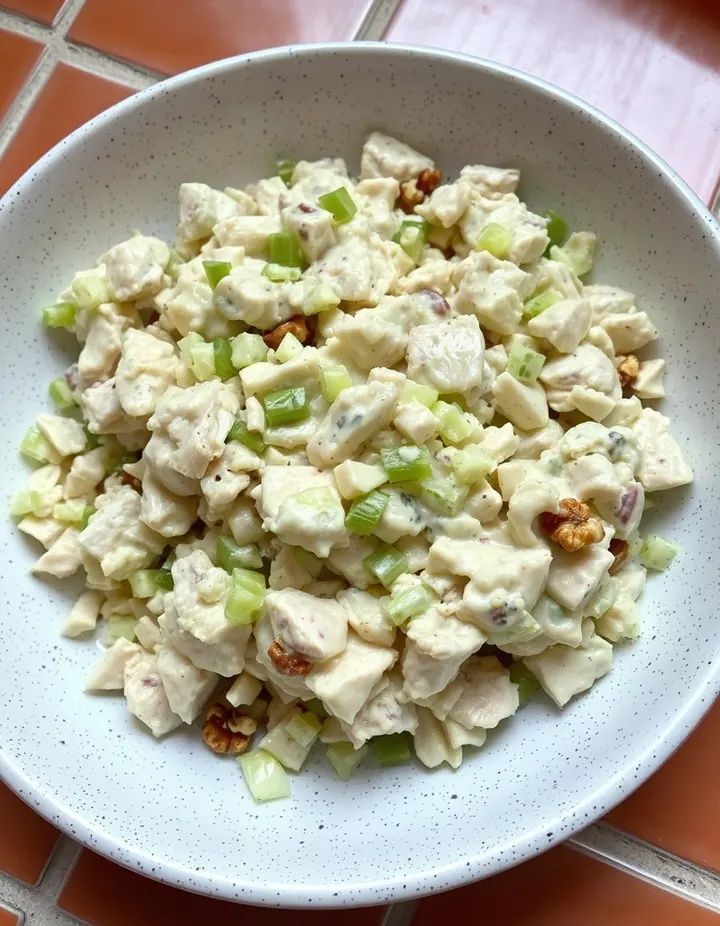 Illustration
 Illustration
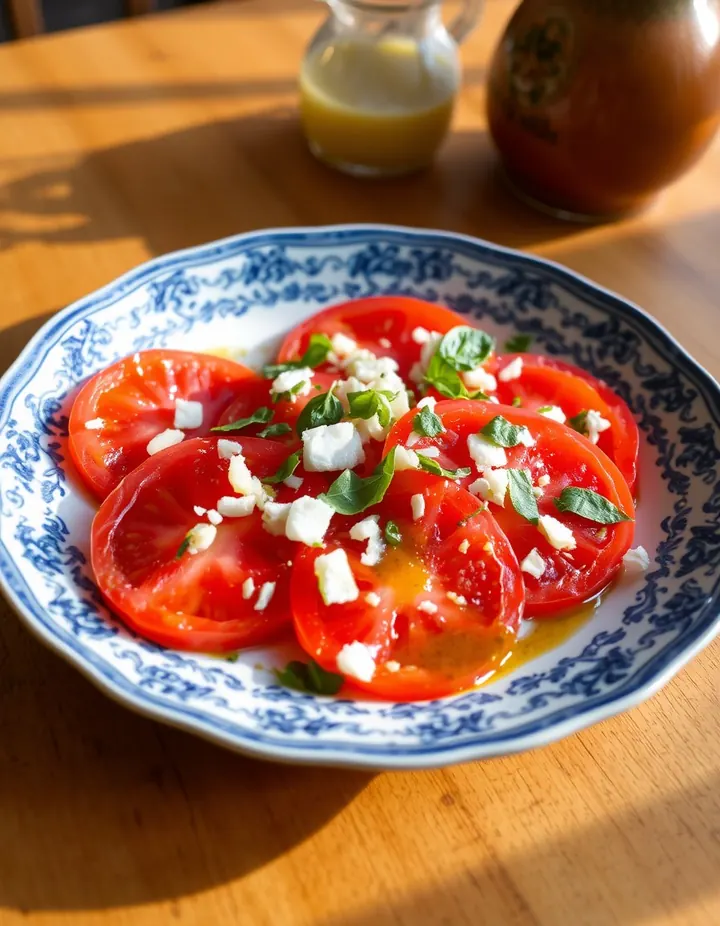 Illustration
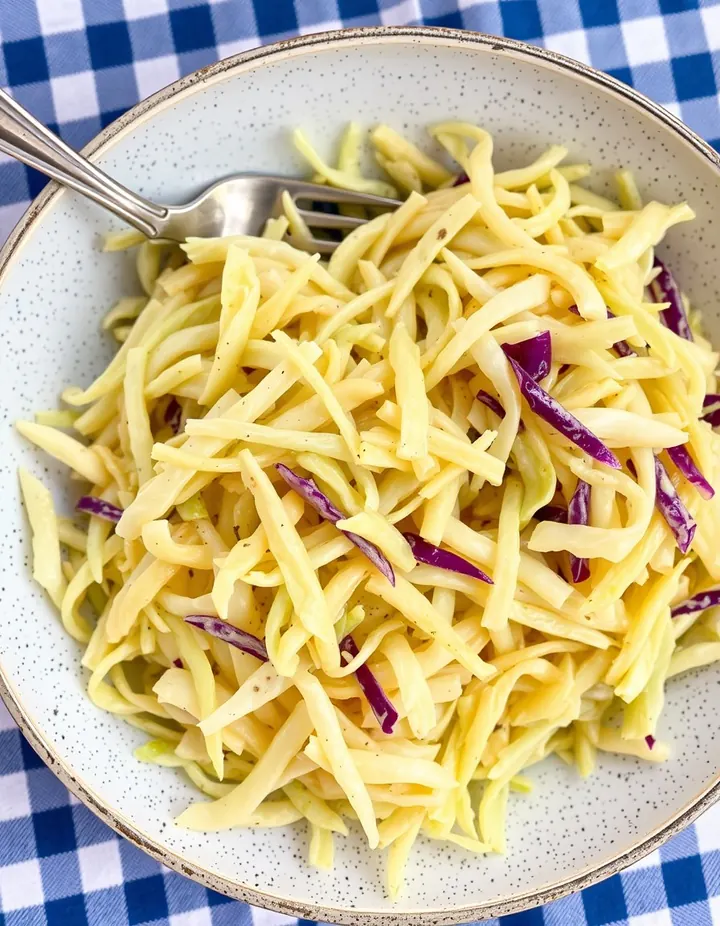 Illustration
The Sunday pairing: one pairing, the chemistry behind it, and how to cook it. No spam, unsubscribe anytime.
Prefer an account? Create a free account for sign-in; Pro adds the full results and chemistry.