Why it works: Lemon and dill match in chemistry and in kitchens. They rank in the top 1% of all ingredient pairs, and cooks put them together in 976 recipes. Both carry beta-phellandrene, which smells minty, terpene. The science ↓
Artichokes Topped with Fresh Fava Beans
Ingredients
Directions
Make the base
Heat oil in a broad pot.
Stir in onion and green onion and allow them to soften.
Add fava beans, mint and half of the dill.
Stir for 4 minutes.
Add lemon juice, sugar and hot water.
Cook the artichokes
Place artichokes in the pot pointy sides facing up.
Seal the pot with aluminum foil.
Place the lid on.
Cook on medium for 30 minutes.
Once you turn it off, sprinkle with salt.
Let artichokes cool in the pot.
Serve
Place artichokes on serving plate.
Stuff them with fava beans using a spoon.
Sprinkle the rest of dill on top.
Nutrition, whole recipe (rough)
Counts 7 of 10 ingredients. The other 3 aren't in our nutrition table and add nothing above, so the real totals are higher.
What these numbers assume: 7 portions
| Ingredient | Portion assumed | kcal |
|---|---|---|
| Olive Oil | 1 tbsp (14g) | 119 |
| Artichoke | 1 medium (128g) | 60 |
| Sugar | 1 tbsp (12.5g) granulated | 49 |
| Onion | 1 medium (110g) | 44 |
| Lemon | juice of 1 lemon (48ml) | 12 |
| Dill | 5 sprigs fresh (1g) / 1 tsp dried | 4 |
| Salt | 1 tsp (6g) | 0 |
| Bean | not in our table | 0 |
| Peppermint | not in our table | 0 |
| Water | not in our table | 0 |
One typical portion per ingredient; the recipe's quantities are not counted. A rough guide only, not for medical or dietary planning.
Steps grouped into stages for easier reading; the method is the source's own.
Explore the science
The flavor team
The pairs that carry this dish. Each one is judged two ways: how much their aromas overlap, and how often cooks already put them together.
-
Lemon + dilltop 1% of all pairsSmell alikestrongCooked together976 recipes
Shared aroma: beta-phellandrene (minty, terpene).
-
Artichoke + beanstop 1% of all pairsSmell alikestrongCooked together154 recipes
Shared aroma: 1-octen-3-ol (mushroom, earthy).
-
Artichoke + lemontop 2% of all pairsSmell alikestrongCooked together636 recipes
Shared aroma: 1-octen-3-ol (mushroom, earthy).
-
Artichoke + olivetop 2% of all pairsSmell alikestrongCooked together745 recipes
Shared aroma: 1-octen-3-ol (mushroom, earthy).
-
Mint + lemontop 4% of all pairsSmell alikemoderateCooked together1,998 recipes
Shared aroma: beta-phellandrene (minty, terpene).
Ranks compare each pair with 20,000 random ingredient pairs on CompKitchen. How we score pairs
What each ingredient does
- Artichokes
- Form the main body of the dish and absorb the flavours of the cooking liquid as they cook.
- Fava beans
- Add a tender, starchy filling that softens and adds body to the stuffing.
- Olive oil
- Carries flavour from the aromatics and gives the dish a rich, smooth mouthfeel.
- Lemon juice
- Adds acidity that brightens the dish and balances the sweetness.
- White onion
- Softens into the base and adds savoury sweetness and aroma.
- Sugar
- Balances the acidity of the lemon juice and rounds out the flavour.
The step that matters
Cook the artichokes on medium for 30 minutes with the pot sealed. The sealed pot traps steam so the artichokes become tender throughout. Cooking too hot can scorch the base before the heart softens, while a loose lid lets the liquid reduce too far.
Swap the onion
How well each one fits the dish's main ingredients (artichoke, beans, mint, lemon, olive, dill, sugar):
- Spinachfits better
- Lettucefits better
- Cucumberfits better
- Onionthe original
Fit is the average pairing score against artichoke, beans, mint, lemon, olive, dill, sugar. Candidates are from the same food group and used in at least 100 recipes.
“What each ingredient does” and “The step that matters” were written by Claude from this recipe’s own method and reviewed in samples by CompKitchen.
You might also like
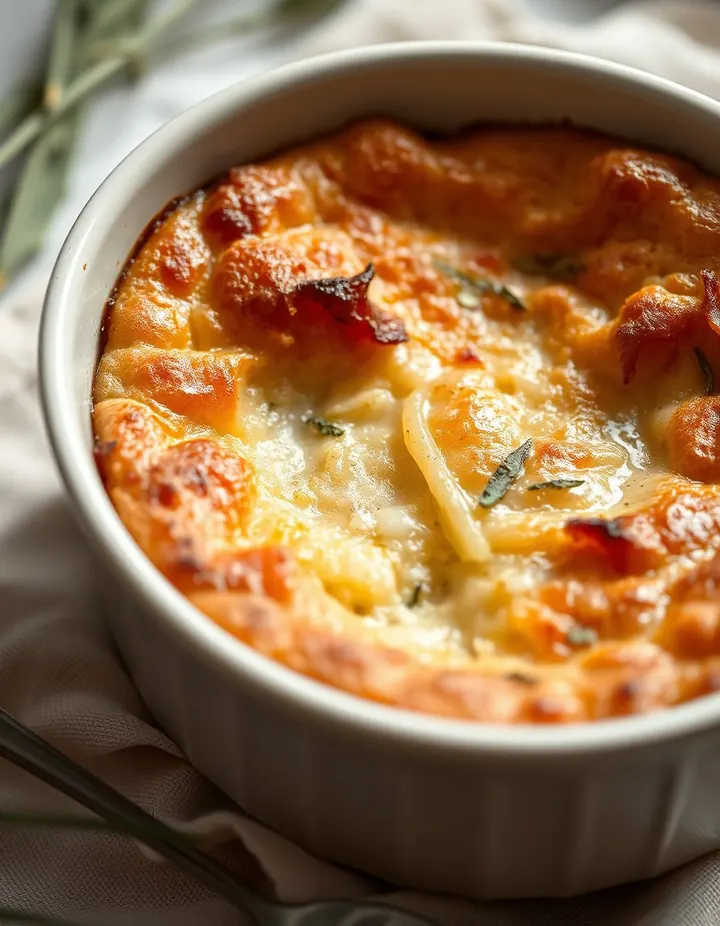 Onion Pudding9 recipes
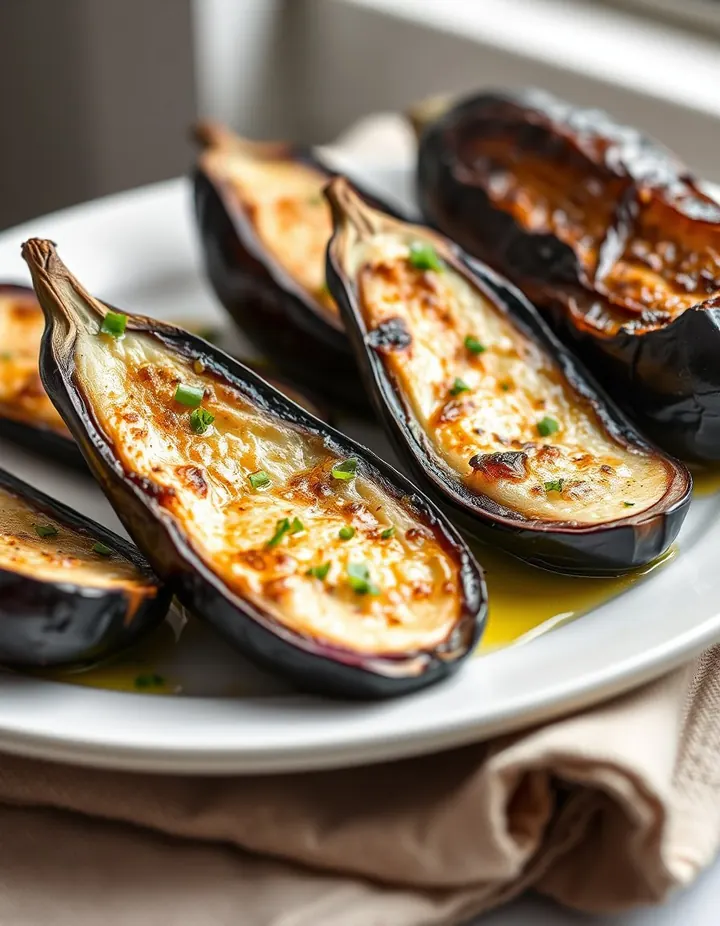 Eggplant Cakes34 recipes
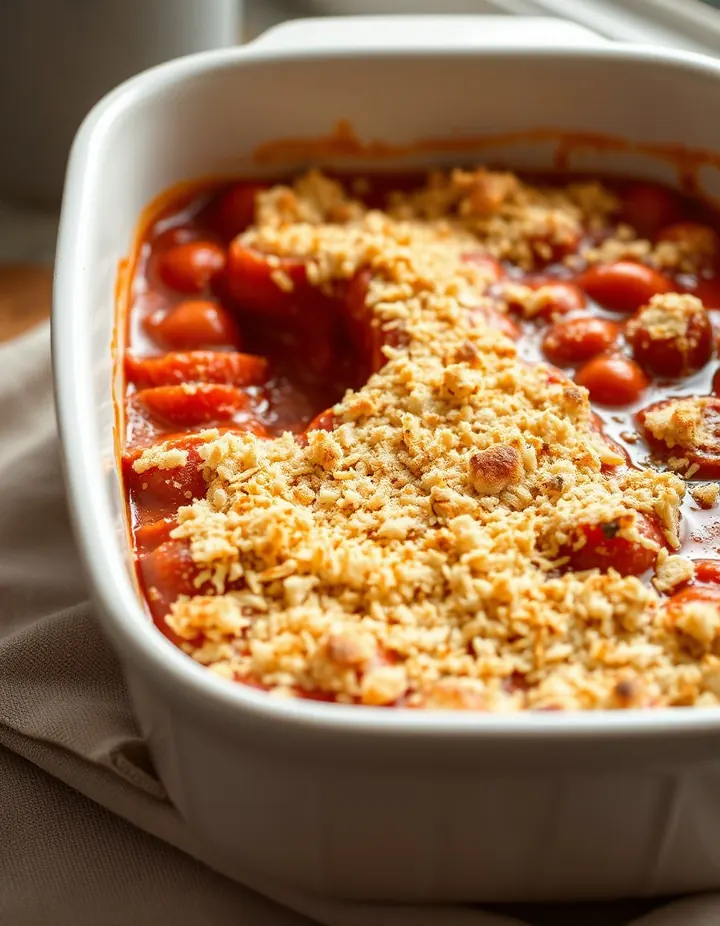 Escalloped Tomatoes (Scalloped Tomatoes)25 recipes
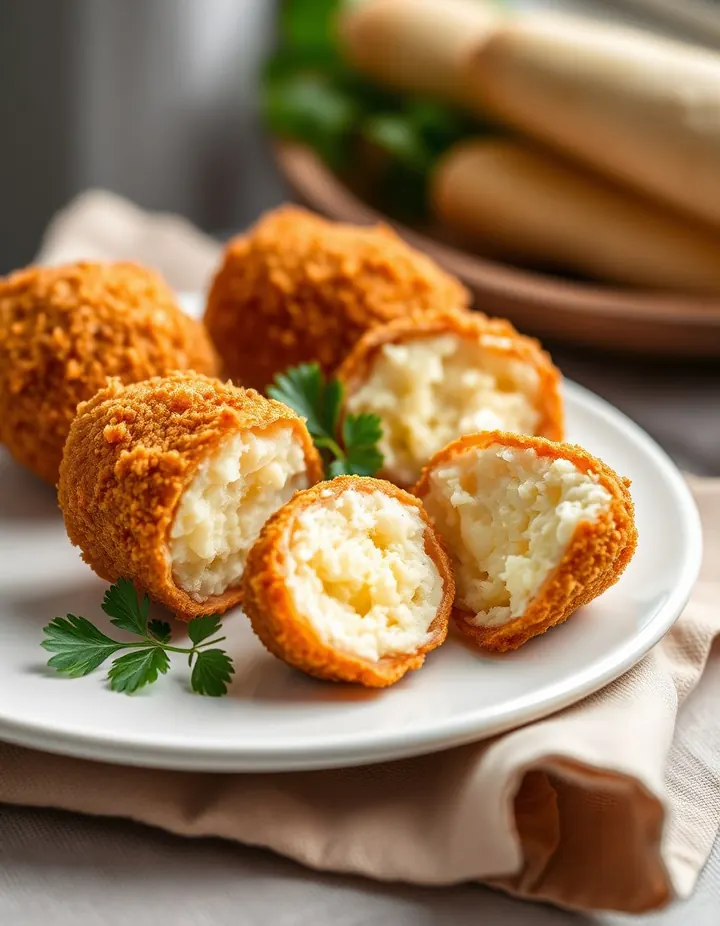 Parsnip Croquettes12 recipes
The free Flavor Lab newsletter: one surprising pairing a week and the molecular reason it works, in 60 seconds. No spam, unsubscribe anytime.
Prefer an account? Create a free account to save pairings and unlock the full chemistry.