Why it works: Onion and garlic match in chemistry and in kitchens. They rank in the top 1% of all ingredient pairs, and cooks put them together in 29,058 recipes. Both carry furaneol, which smells caramel, strawberry. The science ↓
Ham Sauerkraut Balls
Ingredients
Directions
Prepare the mixture
Combine ham, sauerkraut, onion, and 2 tablespoons of bread crumbs in a large bowl.
Combine cream cheese, parsley, mustard, garlic powder, and pepper in another bowl.
Stir the cream cheese mixture into the sauerkraut mixture and chill for at least one hour or overnight.
Shape the chilled mixture into balls and coat each with flour.
Coat and fry
Beat eggs and milk in a small bowl.
Dip each ham ball into the egg mixture, then roll in the remaining bread crumbs.
Heat oil to 375°F in a deep fat fryer or electric skillet and fry the balls until golden brown, draining well.
Nutrition, whole recipe (rough)
Counts 11 of 12 ingredients. The other 1 aren't in our nutrition table and add nothing above, so the real totals are higher.
What these numbers assume: 11 portions
| Ingredient | Portion assumed | kcal |
|---|---|---|
| Flour | 1 cup (125g) all-purpose | 455 |
| Pork | 100g cooked | 242 |
| Milk | 1 cup (244ml) whole | 149 |
| Olive Oil | 1 tbsp (14g) | 119 |
| Cream Cheese | 1 oz (28g) | 99 |
| Egg | 1 large egg (50g) | 78 |
| Onion | 1 medium (110g) | 44 |
| Black Pepper | 1 tsp ground (2.3g) | 6 |
| Garlic | 1 clove (3g) | 4 |
| Mustard | 1 tsp (5g) yellow | 3 |
| Parsley | 1 tbsp chopped fresh (3.8g) | 1 |
| Sauerkraut | not in our table | 0 |
One typical portion per ingredient; the recipe's quantities are not counted. A rough guide only, not for medical or dietary planning.
Steps grouped into stages for easier reading; the method is the source's own.
Explore the science
The flavor team
The pairs that carry this dish. Each one is judged two ways: how much their aromas overlap, and how often cooks already put them together.
-
Onion + garlictop 1% of all pairsSmell alikestrongCooked together29,058 recipes
Shared aroma: furaneol (caramel, strawberry).
-
Parsley + peppertop 2% of all pairsSmell alikestrongCooked together34,122 recipes
Shared aroma: 4'-methylacetophenone (bitter almond).
-
Parsley + garlictop 4% of all pairsSmell alikestrongCooked together9,308 recipes
Shared aroma: beta-phellandrene (minty, terpene).
-
Mustard + garlictop 6% of all pairsSmell alikestrongCooked together4,053 recipes
Shared aroma: linalool (floral, citrus).
-
Onion + mustardtop 6% of all pairsSmell alikestrongCooked together9,259 recipes
Shared aroma: 2-isopropyl-3-methoxypyrazine (earthy, pea).
Ranks compare each pair with 20,000 random ingredient pairs on CompKitchen. How we score pairs
What each ingredient does
- Ground fully cooked ham
- Provides the main meaty body and flavor of the meatballs.
- Cream cheese
- Adds moisture and richness, keeping the filling tender and creamy.
- Eggs
- Bind the mixture and help the coating set during frying.
- Dry bread crumbs
- Absorb moisture and form a crisp, golden outer coating when fried.
- Sauerkraut
- Adds moisture and a tangy, acidic flavor that balances the rich ham.
- All purpose flour
- Dries the surface of the balls so the egg coating adheres.
The step that matters
Chilling the mixture. Chilling firms the cream cheese and moist sauerkraut mixture so the balls hold their shape. Skipping it can leave the balls soft and likely to fall apart in the hot oil.
Swap the parsley
How well each one fits the dish's main ingredients (ham, onion, bread, cream cheese, mustard, garlic, pepper):
- Capersfits better
- Thymefits about as well
- Celeryfits about as well
- Parsleythe original
Fit is the average pairing score against ham, onion, bread, cream cheese, mustard, garlic, pepper. Candidates are from the same food group and used in at least 100 recipes.
“What each ingredient does” and “The step that matters” were written by Claude from this recipe’s own method and reviewed in samples by CompKitchen.
You might also like
 Brown Bread461 recipes
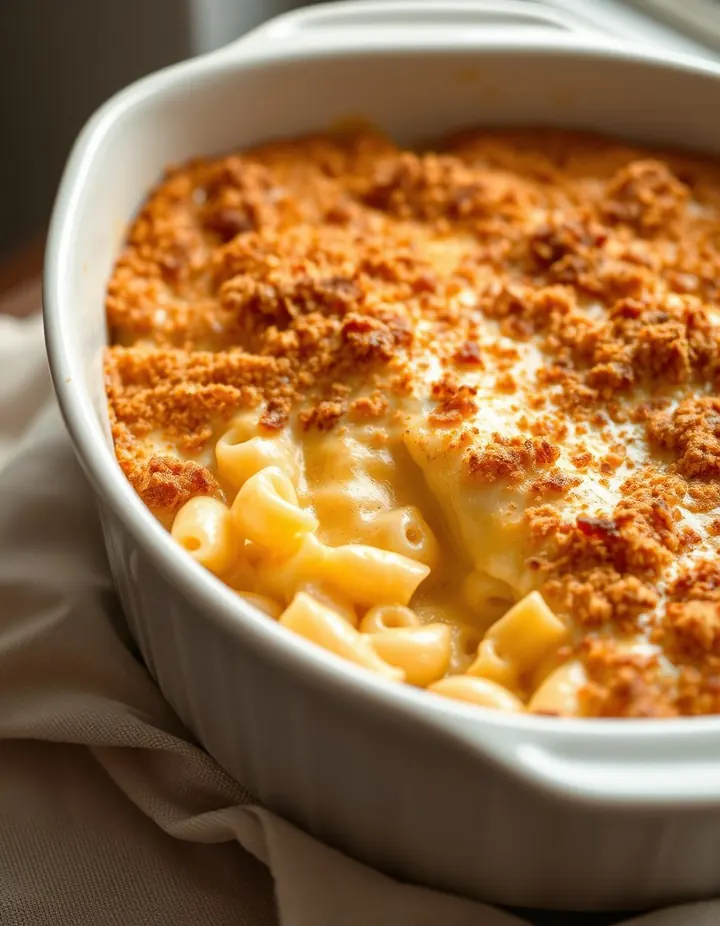 Macaroni and Cheese102 recipes
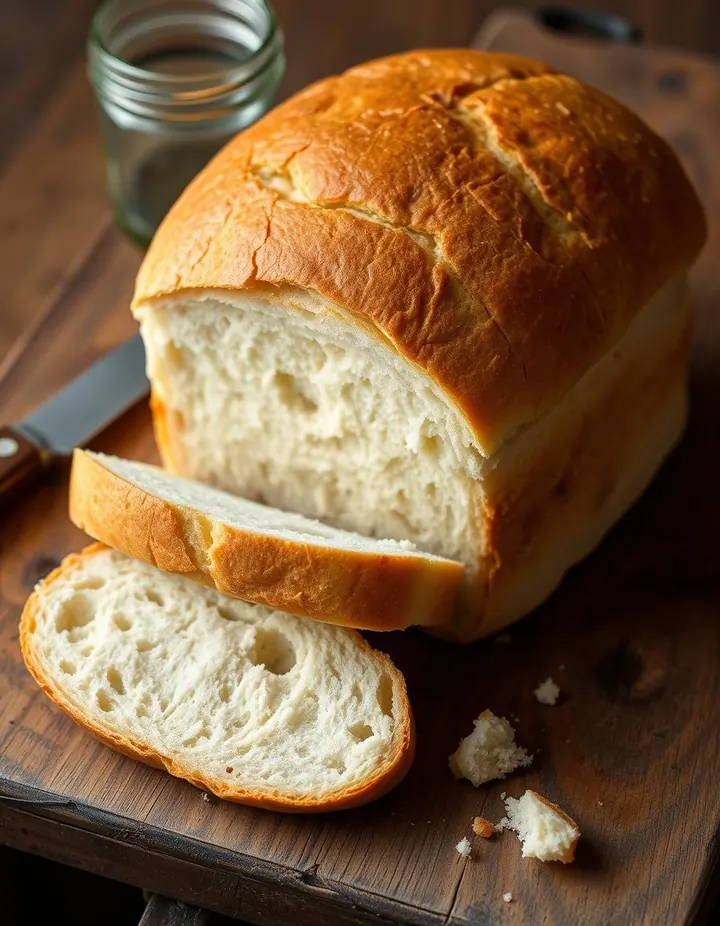 White Bread80 recipes
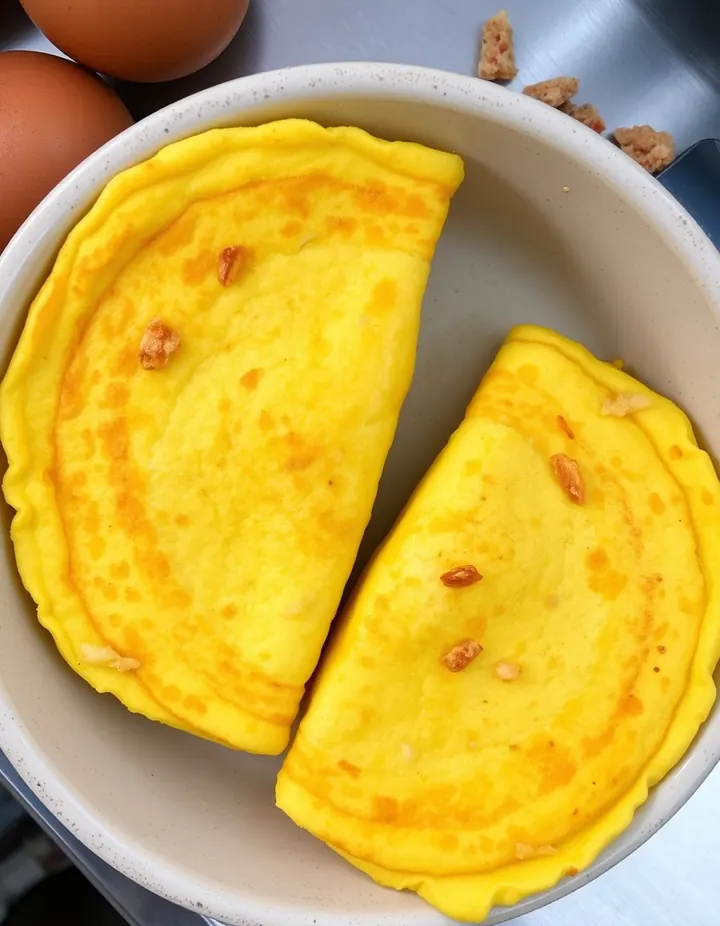 Bread Omelette60 recipes
The free Flavor Lab newsletter: one surprising pairing a week and the molecular reason it works, in 60 seconds. No spam, unsubscribe anytime.
Prefer an account? Create a free account to save pairings and unlock the full chemistry.