Why it works: Thyme and pepper are a kitchen classic. They rank in the top 4% of all ingredient pairs, and cooks put them together in 11,585 recipes. Both carry beta-phellandrene, which smells minty, terpene. The science ↓
Charcoal-roasted Beets and Red Onions
Ingredients
Directions
Roast the vegetables
Prepare a moderately hot charcoal fire in a grill unit that has a cover.
Place beets and red onions in a cast iron skillet and drizzle with olive oil, then place skillet on grill rack over fire, cover the grill unit and roast the vegetables for 1½ hours.
Remove vegetables from skillet with tongs.
Make the pan sauce
Add broth, vinegar and 1 teaspoon thyme to the skillet, then place over high heat and boil liquid, scraping bottom of skillet, for about 4 minutes.
Season with salt and pepper.
Finish and serve
Peel beets and onions when cool enough to handle.
Slice beets into julienne strips and onions into thin rings, then spoon liquid over onions and beets.
Add remaining ½ teaspoon thyme and stir well to combine.
Heat briefly and serve.
Nutrition, whole recipe (rough)
What these numbers assume: 8 portions
| Ingredient | Portion assumed | kcal |
|---|---|---|
| Chicken | 100g cooked | 165 |
| Olive Oil | 1 tbsp (14g) | 119 |
| Red Onion | 1 medium (110g) | 44 |
| Beet | 1/2 cup (85g) | 35 |
| Black Pepper | 1 tsp ground (2.3g) | 6 |
| Thyme | 1 tsp dried (1.4g) | 4 |
| Vinegar | 1 tbsp (15ml) distilled | 3 |
| Salt | 1 tsp (6g) | 0 |
One typical portion per ingredient; the recipe's quantities are not counted. A rough guide only, not for medical or dietary planning.
Steps grouped into stages for easier reading; the method is the source's own.
Explore the science
The flavor team
The pairs that carry this dish. Each one is judged two ways: how much their aromas overlap, and how often cooks already put them together.
-
Thyme + peppertop 4% of all pairsSmell alikemoderateCooked together11,585 recipes
Shared aroma: beta-phellandrene (minty, terpene).
-
Olive + thymetop 4% of all pairsSmell alikestrongCooked together4,948 recipes
Shared aroma: methyl 2-methylbutyrate (apple, fatty).
-
Onion + thymetop 7% of all pairsSmell alikemoderateCooked together11,171 recipes
Shared aroma: coumarin (sweet, hay).
-
Onion + olivetop 8% of all pairsSmell alikemoderateCooked together29,779 recipes
Shared aroma: 2,4-decadienal (seaweed).
-
Onion + chickentop 8% of all pairsSmell alikemoderateCooked together17,814 recipes
Shared aroma: gamma-nonanolactone (coconut, sweet).
Ranks compare each pair with 20,000 random ingredient pairs on CompKitchen. How we score pairs
What each ingredient does
- Beets
- Dense root that becomes tender and sweet as it roasts slowly over the charcoal.
- Red onions
- Soften and caramelize during roasting, becoming sweet and mellow.
- Balsamic vinegar
- Adds acidity that balances the sweetness of the roasted vegetables and forms the sauce.
- Chicken broth
- Liquid that lifts browned bits from the skillet and forms a light pan sauce.
- Extra virgin olive oil
- Fat that carries heat across the vegetables and helps them brown.
The step that matters
Boiling the pan liquid over high heat. Boiling reduces the broth and vinegar and dissolves the browned residue on the skillet, concentrating flavor. Too little reduction leaves a thin, watery sauce, while over-reducing can make it sharp and sticky.
Swap the onion
How well each one fits the dish's main ingredients (olive, chicken, vinegar, thyme, pepper):
- Capsicumfits better
- Tomatofits better
- Mustardfits better
- Onionthe original
Fit is the average pairing score against olive, chicken, vinegar, thyme, pepper. Candidates are from the same food group and used in at least 100 recipes.
“What each ingredient does” and “The step that matters” were written by Claude from this recipe’s own method and reviewed in samples by CompKitchen.
You might also like
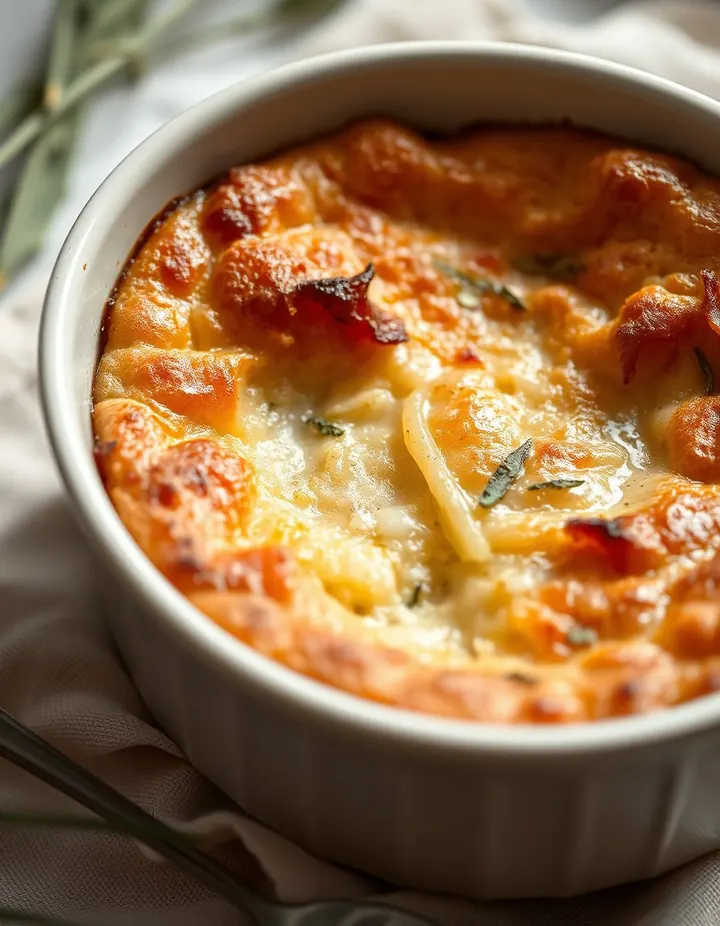 Onion Pudding9 recipes
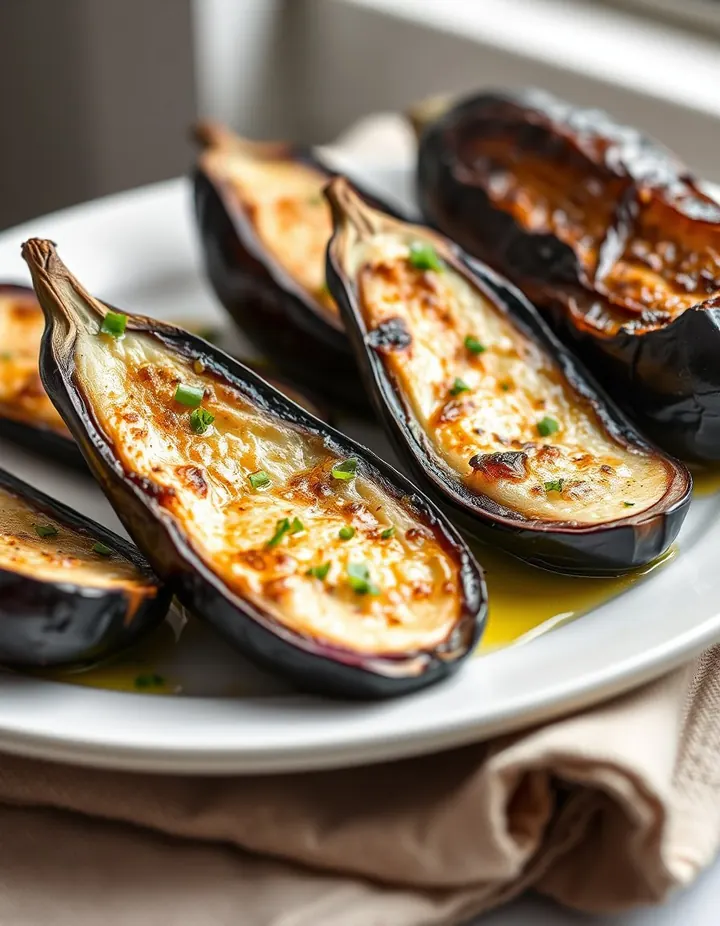 Eggplant Cakes34 recipes
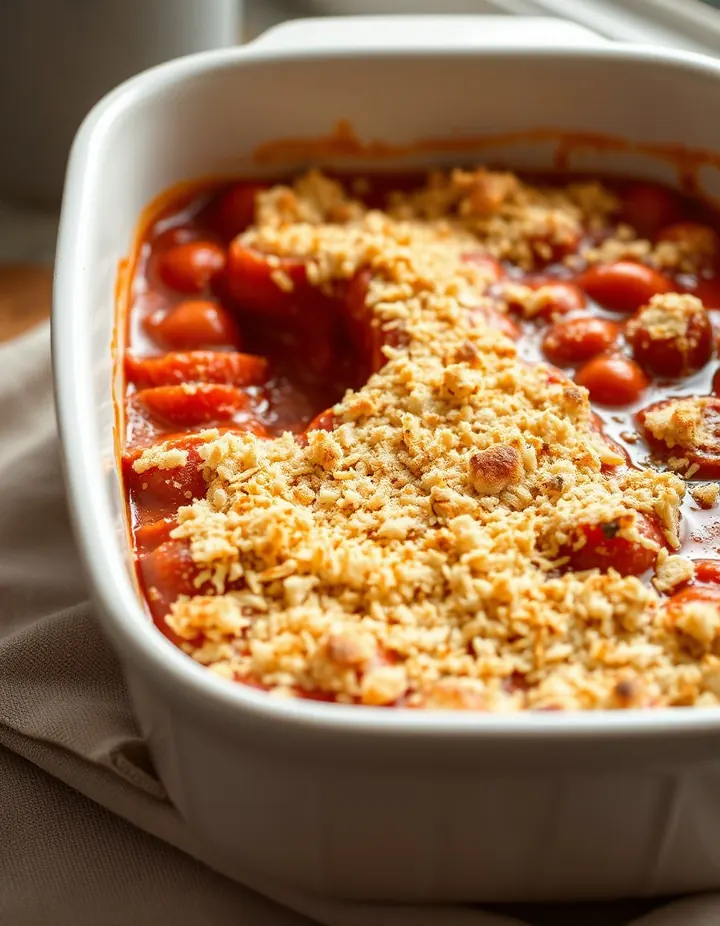 Escalloped Tomatoes (Scalloped Tomatoes)25 recipes
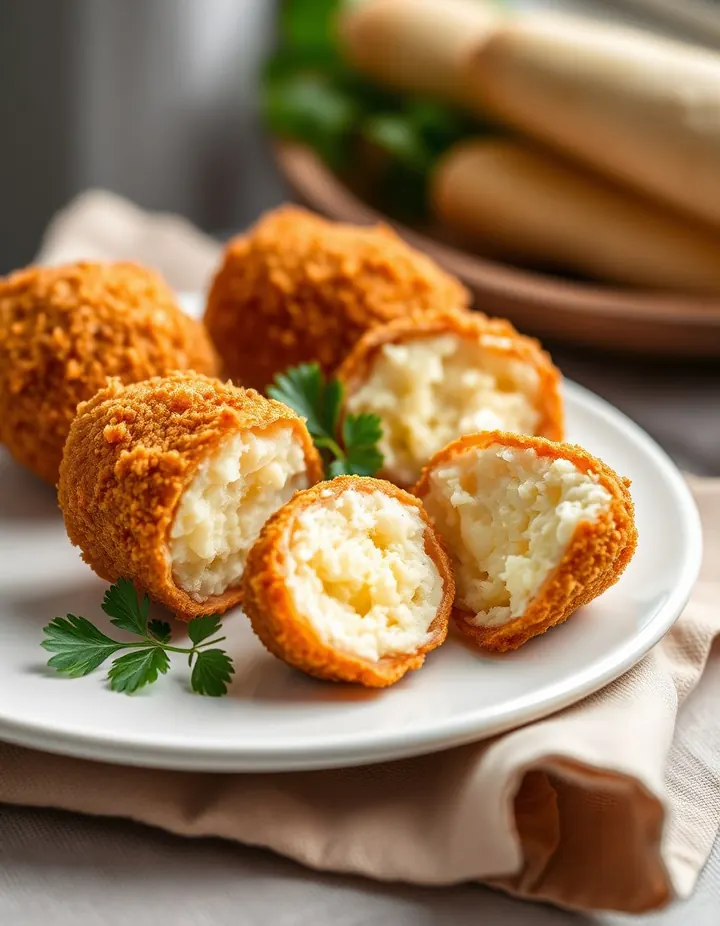 Parsnip Croquettes12 recipes
The free Flavor Lab newsletter: one surprising pairing a week and the molecular reason it works, in 60 seconds. No spam, unsubscribe anytime.
Prefer an account? Create a free account to save pairings and unlock the full chemistry.