Why it works: Onion and mustard match in chemistry and in kitchens. They rank in the top 6% of all ingredient pairs, and cooks put them together in 9,259 recipes. Both carry 2-isopropyl-3-methoxypyrazine, which smells earthy, pea. The science ↓
Hot Bacon Honey Red Wine Dressing
Ingredients
Directions
Make the base
Place the bacon grease in a saucepan over medium‑high heat.
Add the diced red onion and sauté until the onions start to blacken.
While the onions are caramelizing, place the water, honey and red wine vinegar in a mixing bowl.
Whisk the ingredients together with a wire whisk.
Add the cornstarch and whisk again.
Cook the dressing
After the onions have caramelized, add the Dijon mustard to the onions and stir together with a rubber spatula.
Add the water, red wine vinegar, honey and cornstarch to the mustard and onions and mix.
Continue stirring until the mixture thickens and comes to a boil.
Remove from heat and store in the refrigerator until needed.
To reheat, use a double boiler.
Nutrition, whole recipe (rough)
Counts 6 of 7 ingredients. The other 1 aren't in our nutrition table and add nothing above, so the real totals are higher.
What these numbers assume: 6 portions
| Ingredient | Portion assumed | kcal |
|---|---|---|
| Flour | 1 cup (125g) all-purpose | 455 |
| Honey | 1 tbsp (21g) | 64 |
| Onion | 1 medium (110g) | 44 |
| Bacon | 1 slice cooked (8g) | 43 |
| Vinegar | 1 tbsp (15ml) distilled | 3 |
| Mustard | 1 tsp (5g) yellow | 3 |
| Water | not in our table | 0 |
One typical portion per ingredient; the recipe's quantities are not counted. A rough guide only, not for medical or dietary planning.
Steps grouped into stages for easier reading; the method is the source's own.
Explore the science
The flavor team
The pairs that carry this dish. Each one is judged two ways: how much their aromas overlap, and how often cooks already put them together.
-
Onion + mustardtop 6% of all pairsSmell alikestrongCooked together9,259 recipes
Shared aroma: 2-isopropyl-3-methoxypyrazine (earthy, pea).
-
Vinegar + mustardtop 7% of all pairsSmell alikemoderateCooked together14,067 recipes
Shared aroma: isobutyraldehyde (malty, green).
-
Red wine + vinegartop 10% of all pairsSmell alikemoderateCooked together575 recipes
Shared aroma: sotolon (curry, maple).
-
Honey + vinegartop 10% of all pairsSmell alikemoderateCooked together1,586 recipes
Shared aroma: beta-damascenone (apple, rose).
-
Honey + red winetop 13% of all pairsSmell alikemoderateCooked together112 recipes
Shared aroma: beta-damascenone (apple, rose).
Ranks compare each pair with 20,000 random ingredient pairs on CompKitchen. How we score pairs
What each ingredient does
- Red onion
- Caramelizing its sugars adds deep, sweet, savory flavor to the dressing.
- Cornstarch
- Thickens the liquid into a smooth, pourable dressing as it heats.
- Dijon mustard
- Adds sharp, tangy flavor and helps emulsify the dressing.
- Red wine vinegar
- Provides acidity that balances the sweetness of the honey.
- Honey
- Adds sweetness that balances the acidity of the vinegar.
The step that matters
Stirring the cornstarch mixture until it boils. Cornstarch only thickens fully once it reaches a boil, so stopping early leaves the dressing thin. Keep stirring to prevent lumps and scorching on the bottom of the pan.
Swap the onion
How well each one fits the dish's main ingredients (honey, red wine, vinegar, mustard):
- Shallotfits better
- Horseradishfits better
- Broccolifits better
- Onionthe original
Fit is the average pairing score against honey, red wine, vinegar, mustard. Candidates are from the same food group and used in at least 100 recipes.
“What each ingredient does” and “The step that matters” were written by Claude from this recipe’s own method and reviewed in samples by CompKitchen.
You might also like
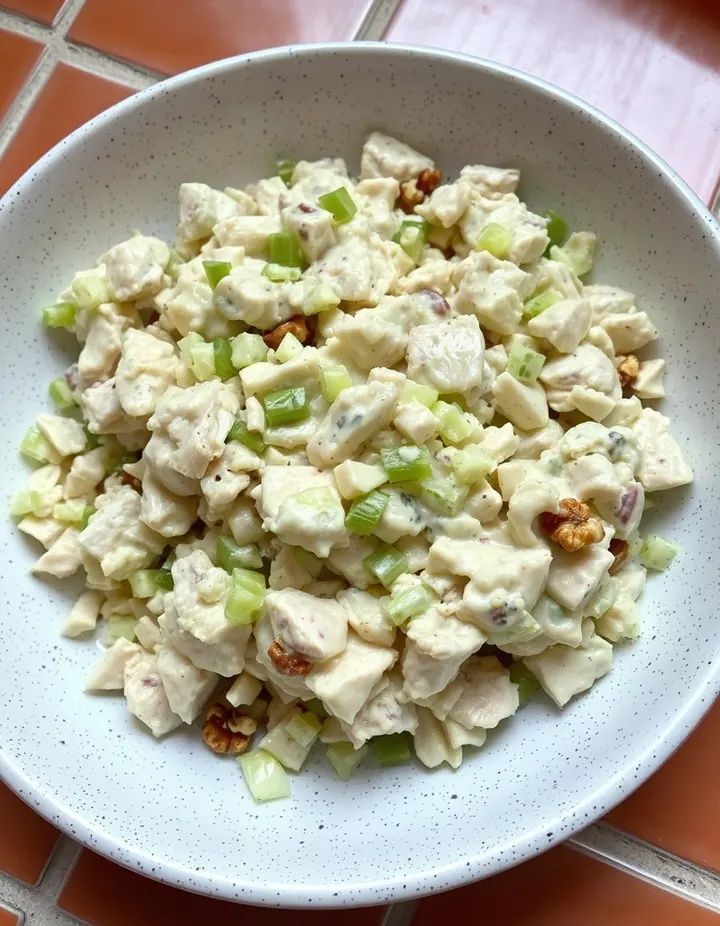 Chicken Salad623 recipes
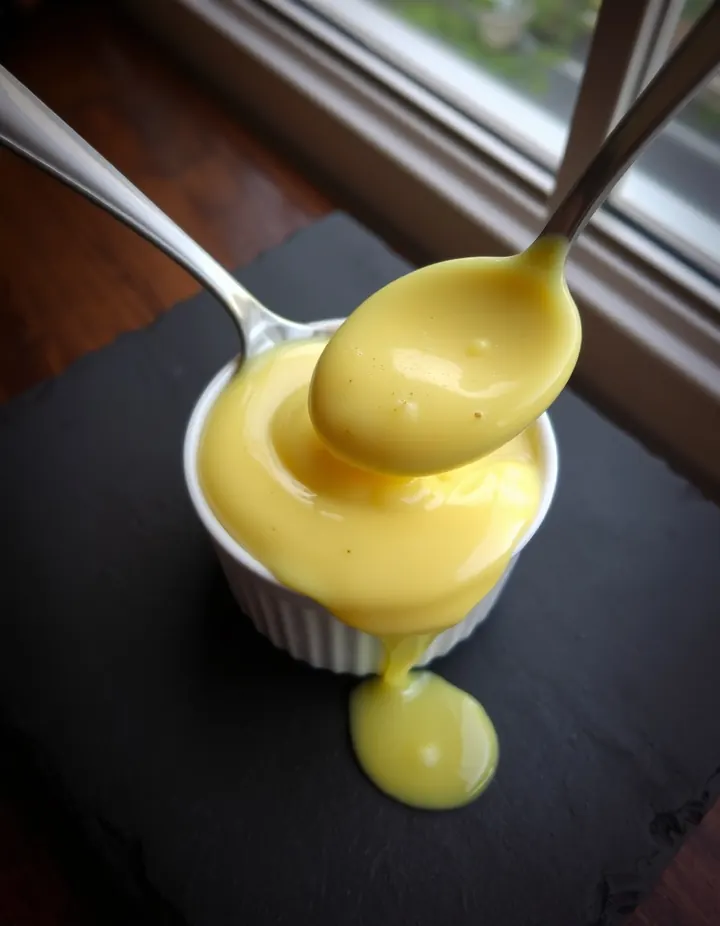 Salad Dressing491 recipes
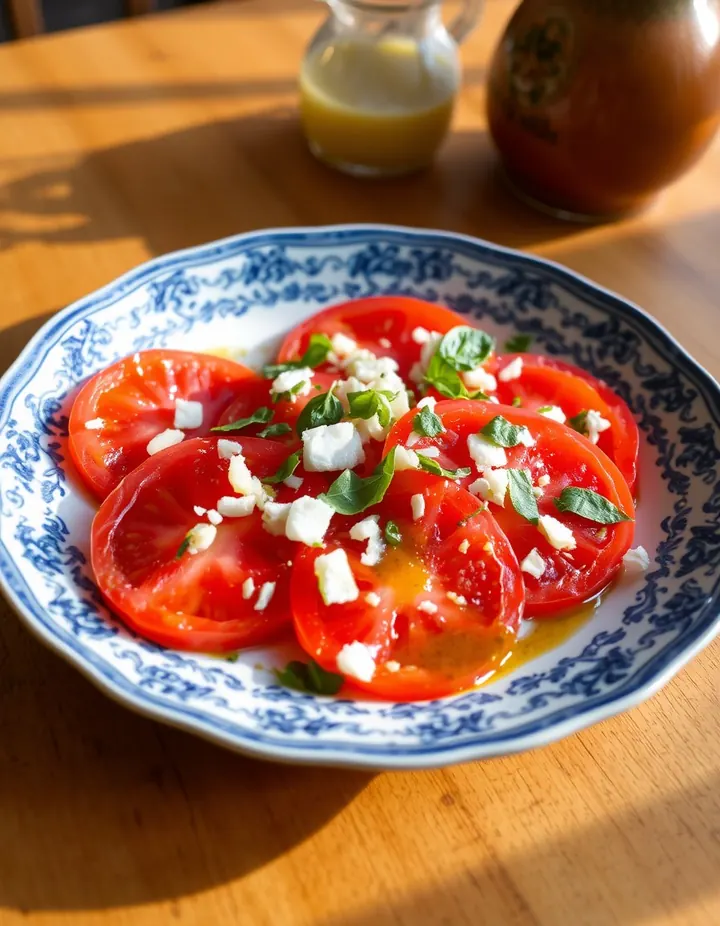 Tomato Salad179 recipes
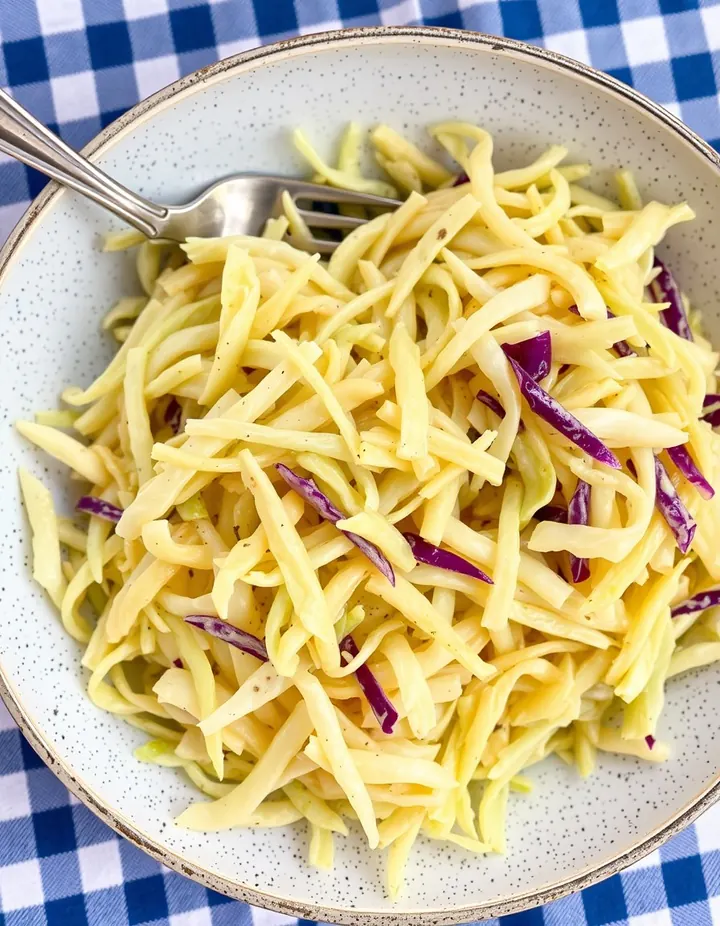 Cold Slaw160 recipes
The free Flavor Lab newsletter: one surprising pairing a week and the molecular reason it works, in 60 seconds. No spam, unsubscribe anytime.
Prefer an account? Create a free account to save pairings and unlock the full chemistry.