Why it works: Cheddar cheese and cheese match in chemistry and in kitchens. They rank in the top 1% of all ingredient pairs, and cooks put them together in 984 recipes. Both carry 2-isopropyl-3-methoxypyrazine, which smells earthy, pea. The science ↓
Gougères I
Ingredients
Directions
Prepare
If you plan to fry the gougères, put enough oil in a large, deep saucepan to come to a depth of about 2 inches. Use a broad saucepan to cook more at once; oil usage increases; they cook quickly, so a narrow pan is fine.
Turn the heat to medium-high.
Lightly grease a baking sheet.
Preheat the oven to 425°F.
Make the dough
Combine water, butter, and salt in a medium saucepan.
Turn the heat to medium-high and bring to a boil.
Cook, stirring, until the butter melts, just a minute or two longer.
Add the flour all at once.
Cook, stirring constantly, until the dough holds together in a ball, 5 minutes or less.
Add the eggs one at a time. Beat hard after each addition.
Stop beating when the mixture is glossy.
Stir in the cheeses.
Cook and serve
Drop teaspoonfuls into the hot oil. Cook, turning once if necessary, until lightly brown, just 3 or 4 minutes. Do not crowd; cook in batches.
Drain on paper towels or paper bags.
Serve at once, or keep warm in a low oven for up to 30 minutes.
Drop teaspoonfuls onto the baking sheet. Bake until light brown, 10 to 15 minutes.
Nutrition, whole recipe (rough)
Counts 8 of 9 ingredients. The other 1 aren't in our nutrition table and add nothing above, so the real totals are higher.
What these numbers assume: 8 portions
| Ingredient | Portion assumed | kcal |
|---|---|---|
| Flour | 1 cup (125g) all-purpose | 455 |
| Olive Oil | 1 tbsp (14g) | 119 |
| Cheddar Cheese | 1 oz (28g) | 113 |
| Cheese | 1 oz (28g) cheddar | 113 |
| Parmesan Cheese | 1 oz (28g) | 110 |
| Butter | 1 tbsp (14g) | 102 |
| Egg | 1 large egg (50g) | 78 |
| Salt | 1 tsp (6g) | 0 |
| Water | not in our table | 0 |
One typical portion per ingredient; the recipe's quantities are not counted. A rough guide only, not for medical or dietary planning.
Steps grouped into stages for easier reading; the method is the source's own.
Explore the science
The flavor team
The pairs that carry this dish. Each one is judged two ways: how much their aromas overlap, and how often cooks already put them together.
-
Cheddar cheese + cheesetop 1% of all pairsSmell alikestrongCooked together984 recipes
Shared aroma: 2-isopropyl-3-methoxypyrazine (earthy, pea).
-
Butter + cheddar cheesetop 8% of all pairsSmell alikemoderateCooked together2,436 recipes
Shared aroma: delta-dodecalactone (sweet, creamy).
-
Butter + cheesetop 8% of all pairsSmell alikemoderateCooked together7,962 recipes
Shared aroma: delta-dodecalactone (sweet, creamy).
-
Butter + flourtop 12% of all pairsSmell alikelowCooked together124,287 recipes
Shared aroma: isobutyraldehyde (malty, green).
-
Flour + eggtop 15% of all pairsSmell alikelowCooked together106,462 recipes
Shared aroma: isobutyraldehyde (malty, green).
Butter and flour barely smell alike, yet cooks put them together in 124,287 recipes: they work on texture and structure more than aroma.
Ranks compare each pair with 20,000 random ingredient pairs on CompKitchen. How we score pairs
What each ingredient does
- Eggs
- Add structure and lift by setting into the choux dough as they bake or fry.
- All-purpose flour
- Forms the starch framework that holds the dough together and gives the puffs their body.
- Butter
- Adds richness and tenderness, and its water content helps create steam for puffing.
- Parmesan or other hard cheese
- Adds salty, savory flavor and a little browning as the puffs cook.
- Emmenthal, gruyère, cantal, or cheddar cheese
- Adds melting richness and savory flavor throughout the dough.
The step that matters
Beat the eggs in fully after each addition. The dough must be smooth and glossy before the next egg goes in. Adding eggs too quickly or under-beating leaves the dough too loose or lumpy to hold its shape, so the puffs may flatten or fail to rise properly.
“What each ingredient does” and “The step that matters” were written by Claude from this recipe’s own method and reviewed in samples by CompKitchen.
You might also like
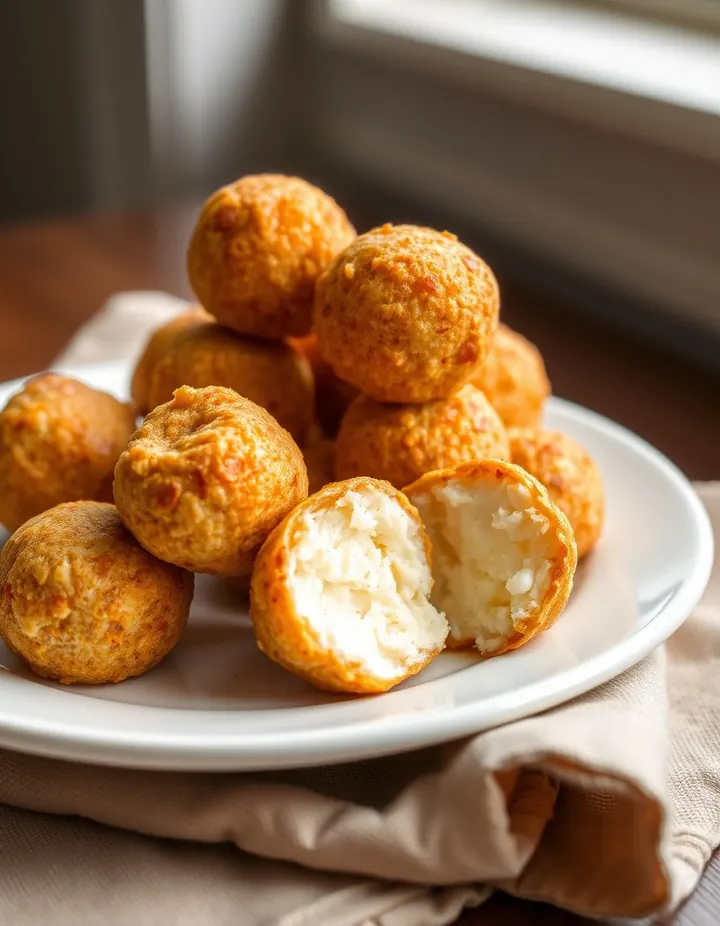 Cheese Balls97 recipes
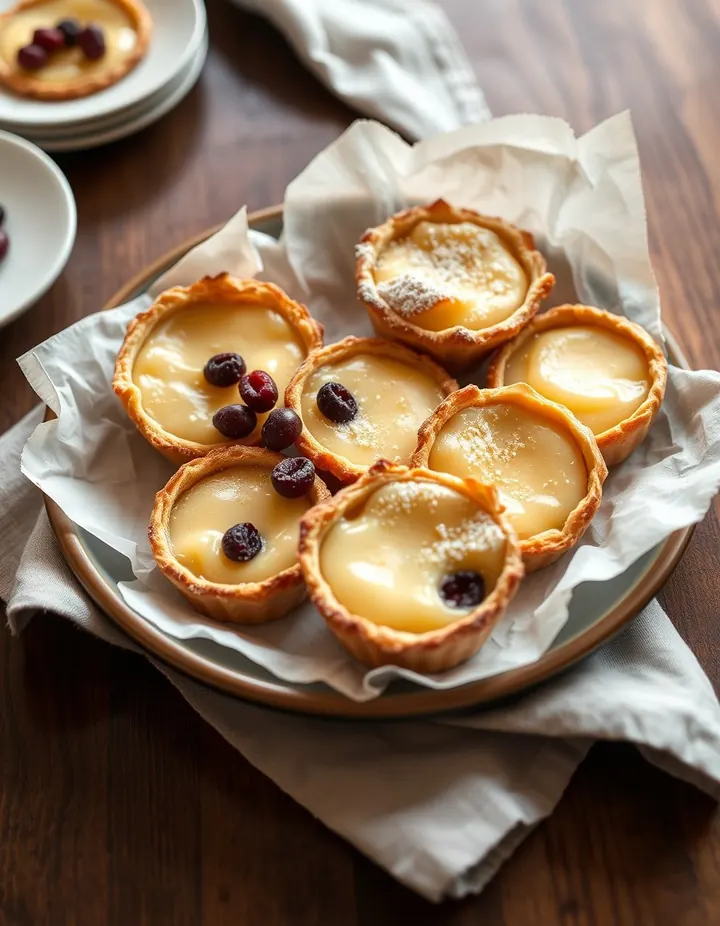 Cheese Cake55 recipes
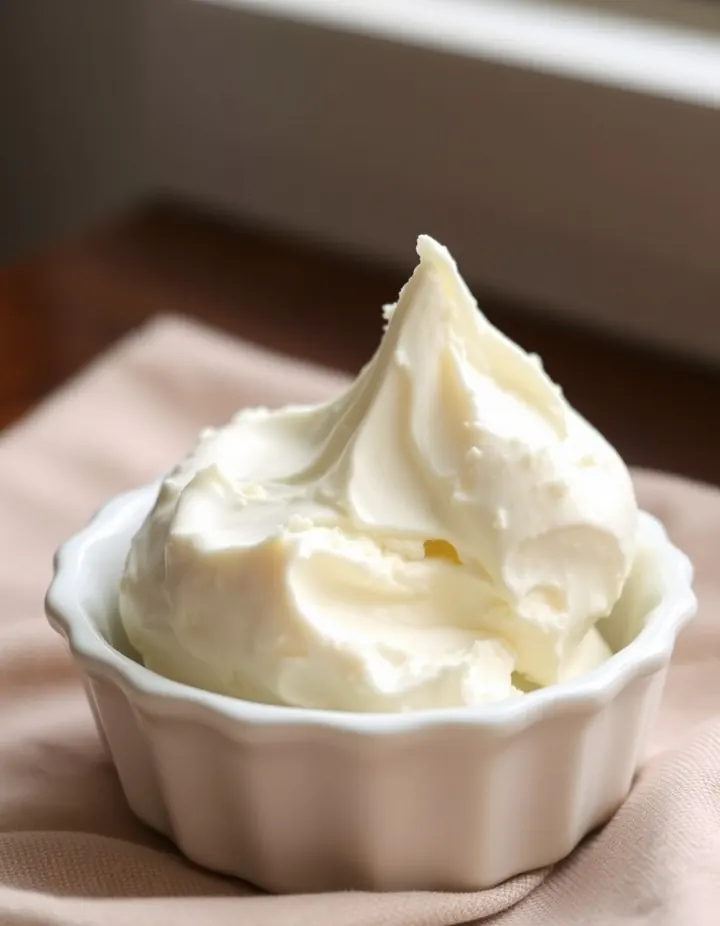 Cream Cheese46 recipes
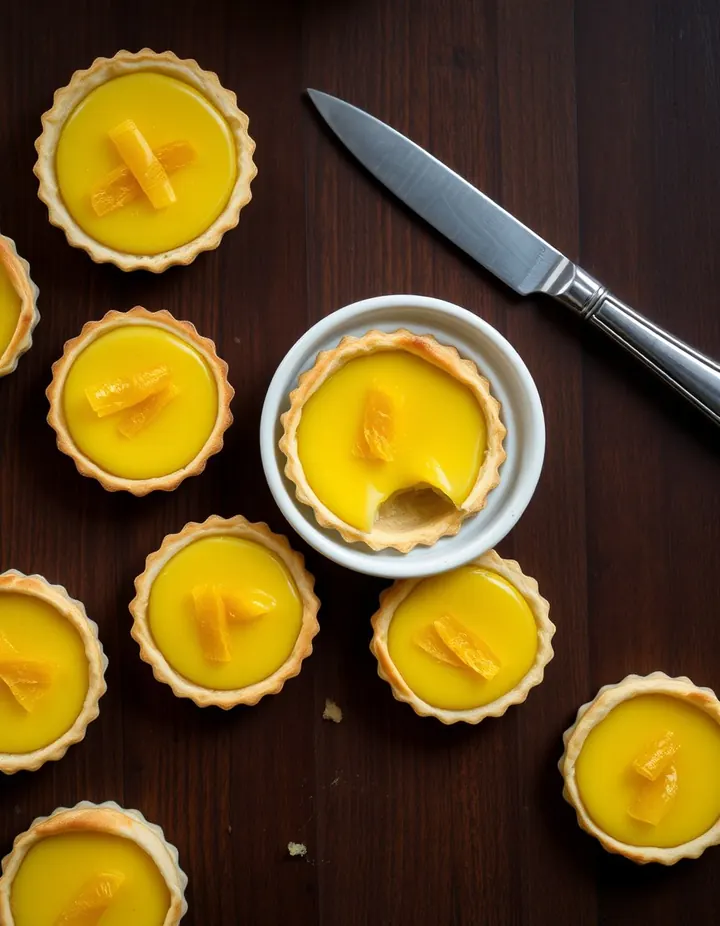 Lemon Pie37 recipes
The free Flavor Lab newsletter: one surprising pairing a week and the molecular reason it works, in 60 seconds. No spam, unsubscribe anytime.
Prefer an account? Create a free account to save pairings and unlock the full chemistry.