Why it works: Pork and chicken match in chemistry and in kitchens. They rank in the top 2% of all ingredient pairs, and cooks put them together in 5,417 recipes. Both carry 2-furfurylthiol, which smells coffee, roasted. The science ↓
Mustard and Wine Pork Tenderloin
Ingredients
Directions
Marinate
Remove silver skin from tenderloin, leaving a thin layer of fat covering the tenderloin.
Combine wine and the next four ingredients in a zip‑top plastic freezer bag; add pork and ½ tsp pepper.
Seal freezer bag and chill 24 hours, turning occasionally.
This can be prepared to this point and frozen in marinade up to a month before using.
Thaw in refrigerator 2 days or completely thawed and proceed as directed.
Coat and broil
Remove pork tenderloin from marinade, discarding marinade.
Pat dry and sprinkle evenly with salt and remaining pepper.
Dredge in flour.
Place pork on a lightly greased rack in a broiler pan; coat pork evenly with cooking spray.
Broil 5½ inches from heat 27 to 30 minutes or until pork is browned and a meat thermometer inserted in the thickest portion registers 150°F, turning pork occasionally.
Let stand 10 minutes.
Nutrition, whole recipe (rough)
What these numbers assume: 10 portions
| Ingredient | Portion assumed | kcal |
|---|---|---|
| Flour | 1 cup (125g) all-purpose | 455 |
| Pork | 100g cooked | 242 |
| Chicken | 100g cooked | 165 |
| Vegetable | 1 tbsp (14g) | 120 |
| Wine | 2 tbsp cooking wine (30ml) | 25 |
| Black Pepper | 1 tsp ground (2.3g) | 6 |
| Thyme | 1 tsp dried (1.4g) | 4 |
| Garlic | 1 clove (3g) | 4 |
| Mustard | 1 tsp (5g) yellow | 3 |
| Salt | 1 tsp (6g) | 0 |
One typical portion per ingredient; the recipe's quantities are not counted. A rough guide only, not for medical or dietary planning.
Steps grouped into stages for easier reading; the method is the source's own.
Explore the science
The flavor team
The pairs that carry this dish. Each one is judged two ways: how much their aromas overlap, and how often cooks already put them together.
-
Pork + chickentop 2% of all pairsSmell alikestrongCooked together5,417 recipes
Shared aroma: 2-furfurylthiol (coffee, roasted).
-
Thyme + peppertop 4% of all pairsSmell alikemoderateCooked together11,585 recipes
Shared aroma: beta-phellandrene (minty, terpene).
-
Thyme + garlictop 4% of all pairsSmell alikestrongCooked together5,608 recipes
Shared aroma: beta-phellandrene (minty, terpene).
-
Mustard + thymetop 4% of all pairsSmell alikestrongCooked together913 recipes
Shared aroma: eucalyptol (eucalyptus, herbal).
-
Mustard + garlictop 6% of all pairsSmell alikestrongCooked together4,053 recipes
Shared aroma: linalool (floral, citrus).
Ranks compare each pair with 20,000 random ingredient pairs on CompKitchen. How we score pairs
What each ingredient does
- Pork tenderloin
- Main protein; stays tender and juicy when it is not overcooked.
- Dry white wine
- Adds acidity and aroma to the marinade, helping flavor the meat.
- Chicken broth
- Adds moisture and savory depth to the marinade.
- Coarse grained mustard
- Adds sharp, tangy flavor to the marinade and the browned surface.
- All-purpose flour
- Forms a light coating that helps the surface brown during broiling.
- Fresh thyme
- Adds herbal aroma that complements the pork and mustard.
The step that matters
Pull the pork at 150°F. Internal temperature keeps rising after the pork leaves the heat, so the thermometer reading at the thickest part guides when to stop. Overcooked tenderloin becomes dry and tough.
Swap the mustard
How well each one fits the dish's main ingredients (pork, white wine, chicken, thyme, garlic, pepper, flour):
- Potatofits better
- Shallotfits better
- Onionfits better
- Mustardthe original
Fit is the average pairing score against pork, white wine, chicken, thyme, garlic, pepper, flour. Candidates are from the same food group and used in at least 100 recipes.
“What each ingredient does” and “The step that matters” were written by Claude from this recipe’s own method and reviewed in samples by CompKitchen.
You might also like
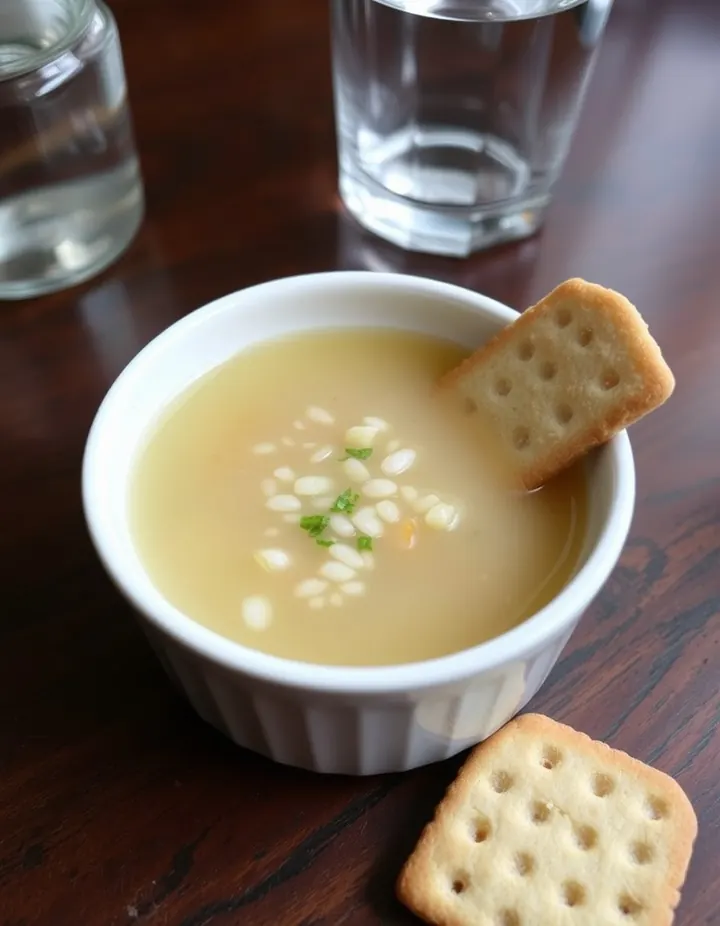 Chicken Broth257 recipes
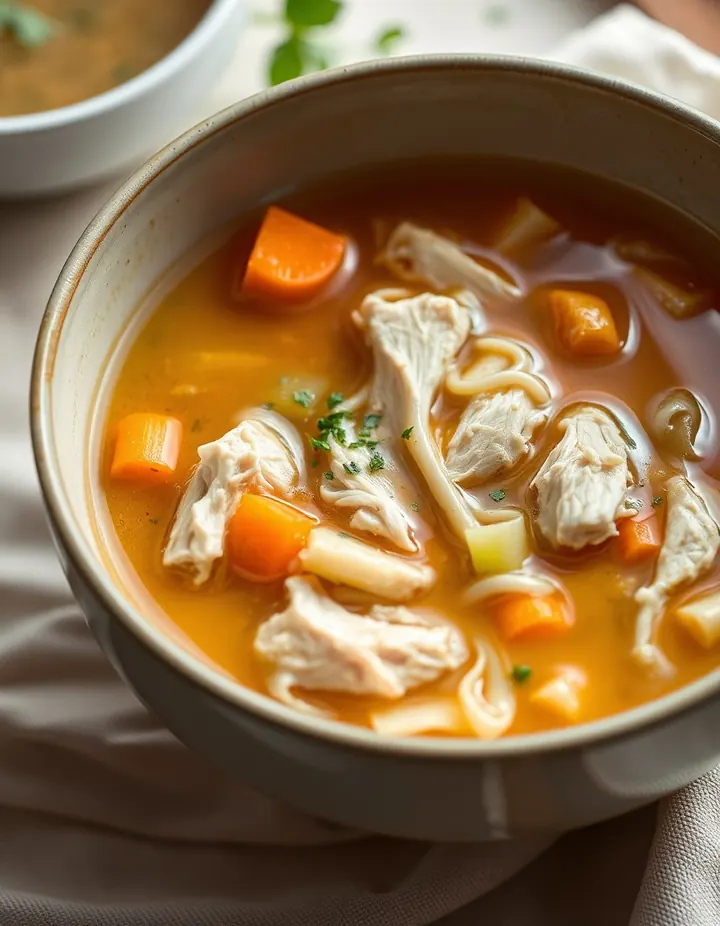 Chicken Soup156 recipes
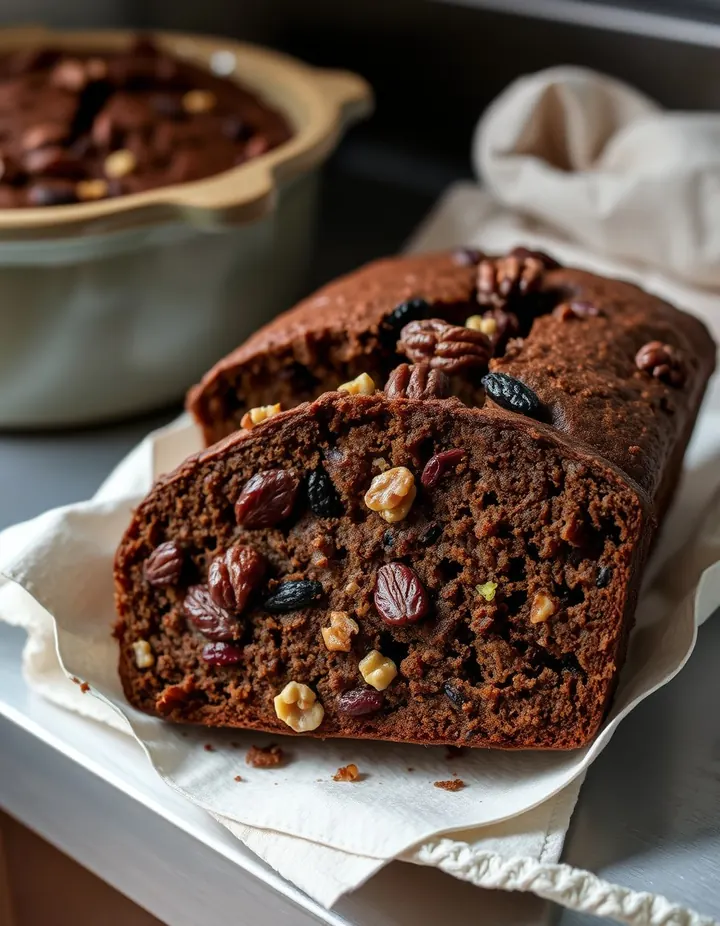 Pork Cake107 recipes
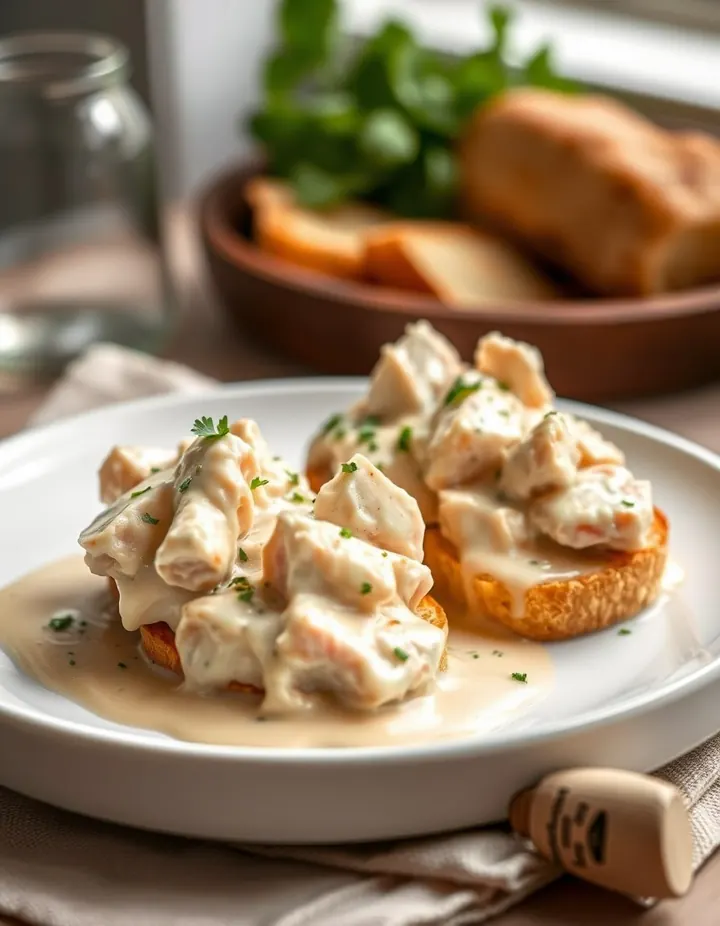 Creamed Chicken89 recipes
The free Flavor Lab newsletter: one surprising pairing a week and the molecular reason it works, in 60 seconds. No spam, unsubscribe anytime.
Prefer an account? Create a free account to save pairings and unlock the full chemistry.