Why it works: Safflower and sunflower share more aroma than cooks usually use. They rank in the top 3% of all ingredient pairs, and 20 recipes mention both. Both carry 2-heptenal, which smells green. The science ↓
The recipe
Makes approximately 3/4 cupIngredients
Contains: egg (auto-detected from the ingredients and method; we can miss things, so check labels)
Directions
Make the mayonnaise
Put the egg, lemon juice, mustard powder, honey, salt, garlic, herbs and 2 tablespoons of the oil in a blender and blend on low until completely pureed.
Removing the top from the blender, very slowly drizzle in the remaining 6 tablespoons of oil, gradually turning the blender onto a higher speed.
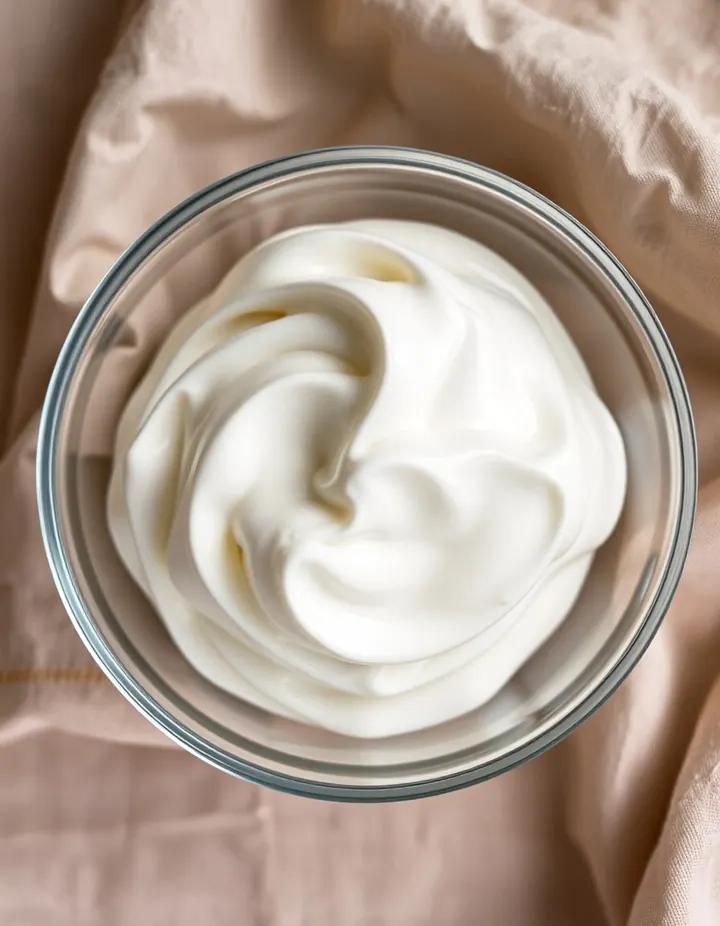
The mayonnaise will be thickened slightly but not as thick as commercial mayonnaise.
Store
Cover and refrigerate. Use within two weeks.
This recipe comes from the Recipes Wiki on Fandom and is licensed CC BY-SA 4.0. Our formatting and summaries are shared under the same licence.
Steps grouped into stages for easier reading; the method is the source's own.
Explore the science
The flavor team
The pairs that carry this dish. Each one is judged two ways: how much aroma chemistry they share, and how many recipes mention both.
-
Safflower + sunflowertop 3% of all pairsAroma overlapstrongMentioned together20 recipes
Shared aroma: 2-heptenal (green).
-
Basil + oreganotop 1% of all pairsAroma overlapstrongMentioned together1,390 recipes
Shared aroma: estragole (anise, licorice).
-
Lemon + basiltop 2% of all pairsAroma overlapstrongMentioned together1,820 recipes
Shared aroma: 3-hexenal (apple, fruity).
-
Lemon + oreganotop 3% of all pairsAroma overlapstrongMentioned together784 recipes
Shared aroma: beta-phellandrene (minty, terpene).
-
Garlic + oreganotop 3% of all pairsAroma overlapmoderateMentioned together3,756 recipes
Shared aroma: beta-phellandrene (minty, terpene).
Ranks compare each pair with 20,000 random ingredient pairs on CompKitchen. How we score pairs
What each ingredient does
- Oil
- Forms the bulk of the emulsion and provides the rich, smooth body of the mayonnaise.
- Egg
- Its proteins and lecithin emulsify the oil and water, holding the mixture together as a stable sauce.
- Lemon or lime juice
- Adds acidity that brightens flavor and helps keep the emulsion tangy and fresh.
- Mustard powder
- Acts as an emulsifier that helps the oil and water stay blended and stable.
- Honey
- Adds a touch of sweetness that balances the acidity and salt.
The step that matters
Adding the oil slowly. Oil must be drizzled in gradually so tiny droplets can be surrounded by egg proteins and stay suspended. Pouring too fast can cause the emulsion to break and separate into a greasy, runny mixture.
Flavor stand-ins for the garlic
The recipe marks garlic as optional. How well each one fits the dish's main ingredients (safflower, egg, lemon, mustard, honey, basil, oregano):
- Thymebetter flavor fit
- Rosemarybetter flavor fit
- Marjorambetter flavor fit
- Garlicthe original
Fit is the average pairing score against safflower, egg, lemon, mustard, honey, basil, oregano. Candidates are from the same food group and used in at least 100 recipes. This compares flavor only: it does not check the job the ingredient does in the dish (bulk, moisture, acidity, structure).
“What each ingredient does” and “The step that matters” were written by Claude from this recipe’s own method and reviewed in samples by CompKitchen.
More mayonnaise recipes
You might also like
 Illustration
 Illustration
 Illustration
 Illustration
The Sunday pairing: one pairing, the chemistry behind it, and how to cook it. No spam, unsubscribe anytime.
Prefer an account? Create a free account for sign-in; Pro adds the full results and chemistry.