Why it works: Flour and almond are a kitchen classic. They rank in the top 5% of all ingredient pairs, and cooks put them together in 8,673 recipes. Both carry isobutyraldehyde, which smells malty, green. The science ↓
Bee Sting Cake
Ingredients
Directions
Make the dough
Sift the flour with the salt and place it in a bowl.
Add the butter, mashing with a fork until it integrates.
Add the shredded yeast and sugar.
Mix the milk with the egg and add it, mixing until incorporated.
According to the dough's density, add more milk or not.
Work with your hands until everything is bound and turn over onto a table.
Knead the pastry until achieving a smooth, elastic texture; it should not stick to your hands or table.
Place the dough in a large bowl to leaven.
Cover the container with plastic or saran wrap and then with a cloth.
Let it sit for 30 minutes or until it has leavened; time depends on room temperature.
Make the coating
Place the sugar, milk and butter in a saucepan.
Place over flame, always stirring, until everything is bound.
Then add the chopped almonds and stir well.
Remove and continue mixing to cool the preparation.
Assemble and bake
Grease and dust a rectangular mold and pour the preparation into it.
Let it sit while you prepare the covering.
Pour on the dough and spread the almonds throughout the surface.
Place in the oven at 360°F for 30 minutes or until cooked.
Serve warm or cold, alone or with whipped cream without sugar.
Nutrition, whole recipe (rough)
Counts 7 of 8 ingredients. The other 1 aren't in our nutrition table and add nothing above, so the real totals are higher.
What these numbers assume: 7 portions
| Ingredient | Portion assumed | kcal |
|---|---|---|
| Flour | 1 cup (125g) all-purpose | 455 |
| Milk | 1 cup (244ml) whole | 149 |
| Butter | 1 tbsp (14g) | 102 |
| Egg | 1 large egg (50g) | 78 |
| Sugar | 1 tbsp (12.5g) granulated | 49 |
| Almond | 1 almond (1.2g) | 7 |
| Salt | 1 tsp (6g) | 0 |
| Pastry | not in our table | 0 |
One typical portion per ingredient; the recipe's quantities are not counted. A rough guide only, not for medical or dietary planning.
Steps grouped into stages for easier reading; the method is the source's own.
Explore the science
The flavor team
The pairs that carry this dish. Each one is judged two ways: how much their aromas overlap, and how often cooks already put them together.
-
Flour + almondtop 5% of all pairsSmell alikemoderateCooked together8,673 recipes
Shared aroma: isobutyraldehyde (malty, green).
-
Butter + milktop 7% of all pairsSmell alikemoderateCooked together81,283 recipes
Shared aroma: (z)-4-heptenal (biscuit, cream).
-
Butter + almondtop 11% of all pairsSmell alikemoderateCooked together9,245 recipes
Shared aroma: 2,3-pentanedione (butter, sweet).
-
Flour + buttertop 12% of all pairsSmell alikelowCooked together124,287 recipes
Shared aroma: isobutyraldehyde (malty, green).
-
Flour + milktop 14% of all pairsSmell alikelowCooked together78,219 recipes
Shared aroma: isobutyraldehyde (malty, green).
Flour and butter barely smell alike, yet cooks put them together in 124,287 recipes: they work on texture and structure more than aroma.
Ranks compare each pair with 20,000 random ingredient pairs on CompKitchen. How we score pairs
What each ingredient does
- Flour
- Forms the structure of the dough that holds the cake together.
- Yeast
- Produces gas that makes the dough rise and become light.
- Egg
- Adds structure and richness to the dough, helping it bind.
- Butter
- Adds fat for tenderness and flavor in the dough and coating.
- Almonds
- Add crunch and nutty flavor to the topping.
- Sugar
- Adds sweetness and helps the topping caramelize and brown.
The step that matters
Knead the pastry until smooth and elastic. Kneading develops gluten, which gives the dough the elasticity needed to trap yeast gas and rise well. Under-kneaded dough stays dense and tears easily.
“What each ingredient does” and “The step that matters” were written by Claude from this recipe’s own method and reviewed in samples by CompKitchen.
You might also like
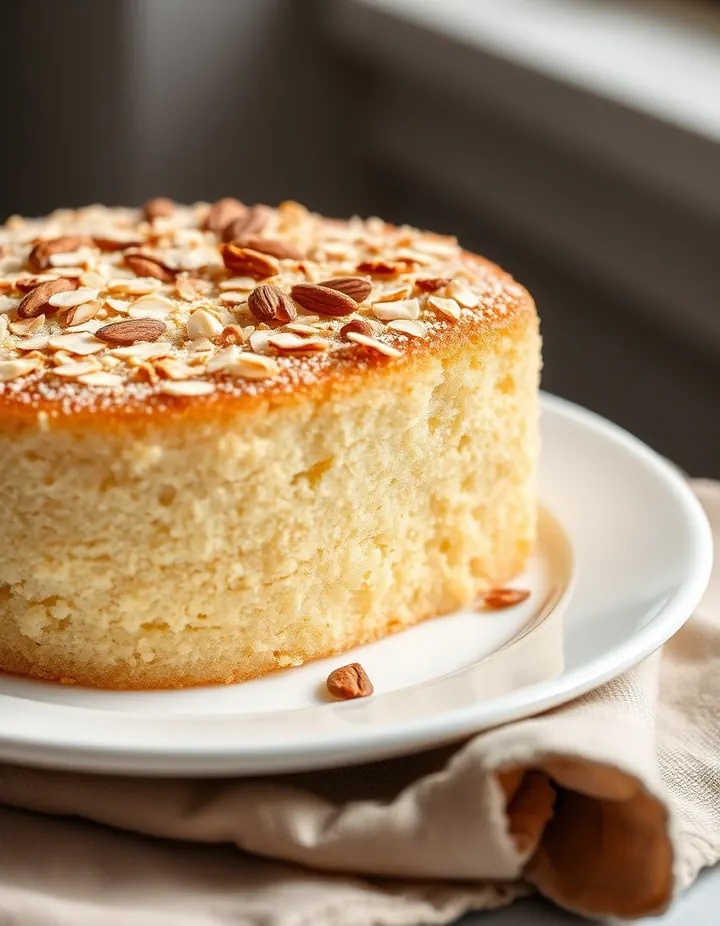 Almond Sponge Cake26 recipes
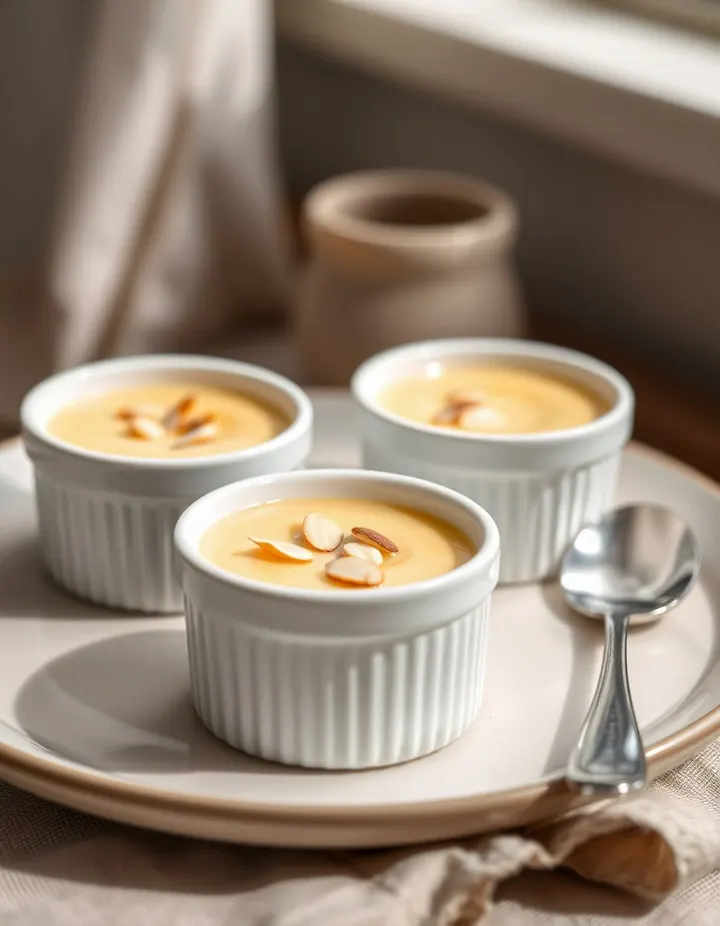 Almond Custard22 recipes
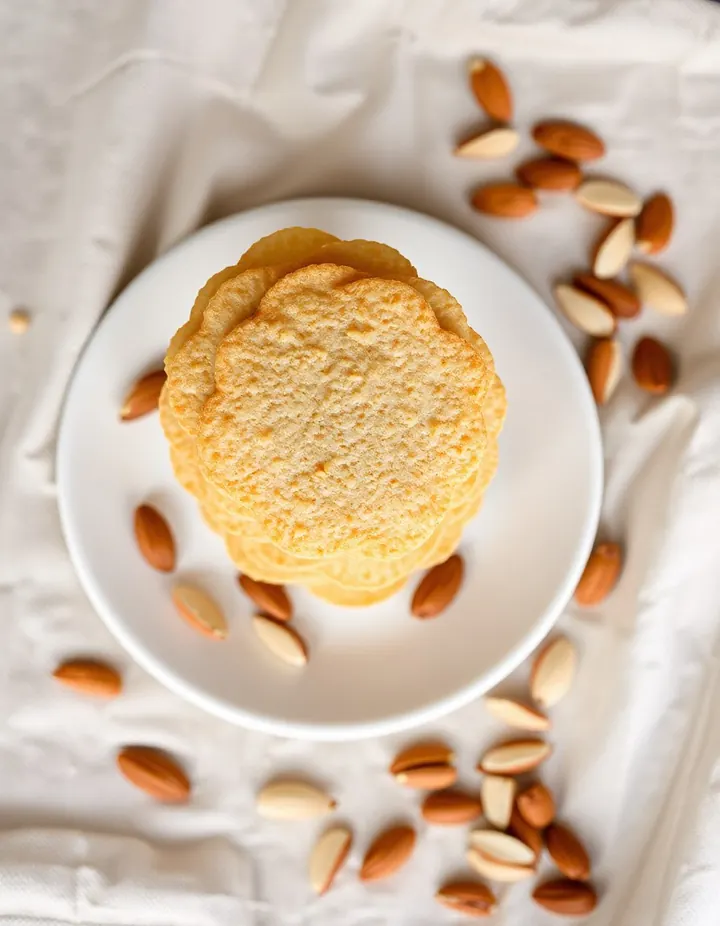 Almond Wafers22 recipes
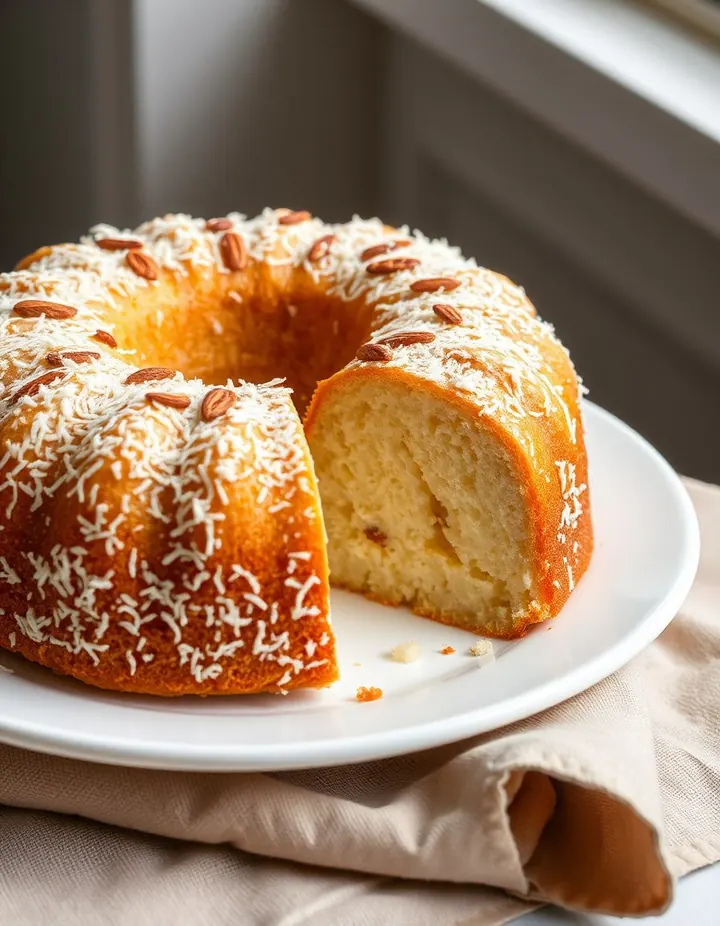 Coconut Almond Cake17 recipes
The free Flavor Lab newsletter: one surprising pairing a week and the molecular reason it works, in 60 seconds. No spam, unsubscribe anytime.
Prefer an account? Create a free account to save pairings and unlock the full chemistry.