Why it works: Clove and nutmeg match in chemistry and in kitchens. They rank in the top 1% of all ingredient pairs, and 8,686 recipes mention both. Both carry estragole, which smells anise, licorice. The science ↓
Croquetas De Pescado
Ingredients
Directions
Prepare the fish and aromatics
Simmer water for 5 minutes if using salt cod; drain, cool, and flake. If using smoked fish, chop or flake. Set aside.
Mince the onion and garlic. Sauté until soft in some oil.
Make the béchamel
Add the butter in chunks; when melted, sprinkle in the flour while mixing. Cook for a few minutes; brown if desired.
Pour the milk in 1/2 cup increments, whisking until smooth. Turn up the heat slightly if the milk is cold.
Add the spices and whisk until it thickens to a consistency thicker than pancake batter but thinner than bread dough.
Add the fish to the béchamel; mix. Pour the mixture into a bowl to cool quickly. Set aside; cover if desired.
Shape and coat
Shape the mixture into egg or rugby ball shapes using two spoons.
Lightly coat each shape with flour. Dip each shape in beaten egg, then dredge in bread crumbs.
Set aside; refrigerate until ready to fry.
To make breadcrumbs, toast 3 slices of bread and blitz in a food processor.
Fry and serve
Heat shallow oil over medium-high. Fry the croquettes, 4 at a time, without crowding.
Do not overcrowd if they are cold from the fridge.
This recipe comes from the Recipes Wiki on Fandom and is licensed CC BY-SA 4.0. Our formatting and summaries are shared under the same licence.
Steps grouped into stages for easier reading; the method is the source's own.
Explore the science
The flavor team
The pairs that carry this dish. Each one is judged two ways: how much aroma chemistry they share, and how many recipes mention both.
-
Clove + nutmegtop 1% of all pairsAroma overlapstrongMentioned together8,686 recipes
Shared aroma: estragole (anise, licorice).
-
Onion + garlictop 1% of all pairsAroma overlapstrongMentioned together29,058 recipes
Shared aroma: furaneol (caramel, strawberry).
-
Nutmeg + parsleytop 3% of all pairsAroma overlapstrongMentioned together5,062 recipes
Shared aroma: 4'-methylacetophenone (bitter almond).
-
Garlic + parsleytop 4% of all pairsAroma overlapstrongMentioned together9,308 recipes
Shared aroma: beta-phellandrene (minty, terpene).
-
Clove + parsleytop 6% of all pairsAroma overlapstrongMentioned together6,768 recipes
Shared aroma: cuminaldehyde (Spicy, cumin).
Ranks compare each pair with 20,000 random ingredient pairs on CompKitchen. How we score pairs
What each ingredient does
- Butter
- Adds fat and flavour to the roux and keeps the croquette centres rich.
- Flour
- Thickens the milk with the butter into a béchamel that holds the shape.
- Milk
- Forms the liquid base of the béchamel, which sets as it cools.
- Fish
- Provides the main flavour and texture of the filling.
- Egg
- Binds the breaded coating so the crumbs stick during frying.
- Onion
- Adds sweetness and savoury depth to the filling when softened.
The step that matters
Thicken the béchamel to the right consistency. Flour must cook in the butter and milk must be added gradually and whisked smooth, or lumps form. The mixture should be thick enough to hold its shape once cooled, since a loose béchamel makes croquettes that fall apart in the frying oil.
Flavor stand-ins for the onion
How well each one fits the dish's main ingredients (butter, clove, garlic, flour, milk, nutmeg, parsley):
- Shallotbetter flavor fit
- Chivebetter flavor fit
- Leekbetter flavor fit
- Onionthe original
Fit is the average pairing score against butter, clove, garlic, flour, milk, nutmeg, parsley. Candidates are from the same food group and used in at least 100 recipes. This compares flavor only: it does not check the job the ingredient does in the dish (bulk, moisture, acidity, structure).
“What each ingredient does” and “The step that matters” were written by Claude from this recipe’s own method and reviewed in samples by CompKitchen.
You might also like
 Brown Bread461 recipes
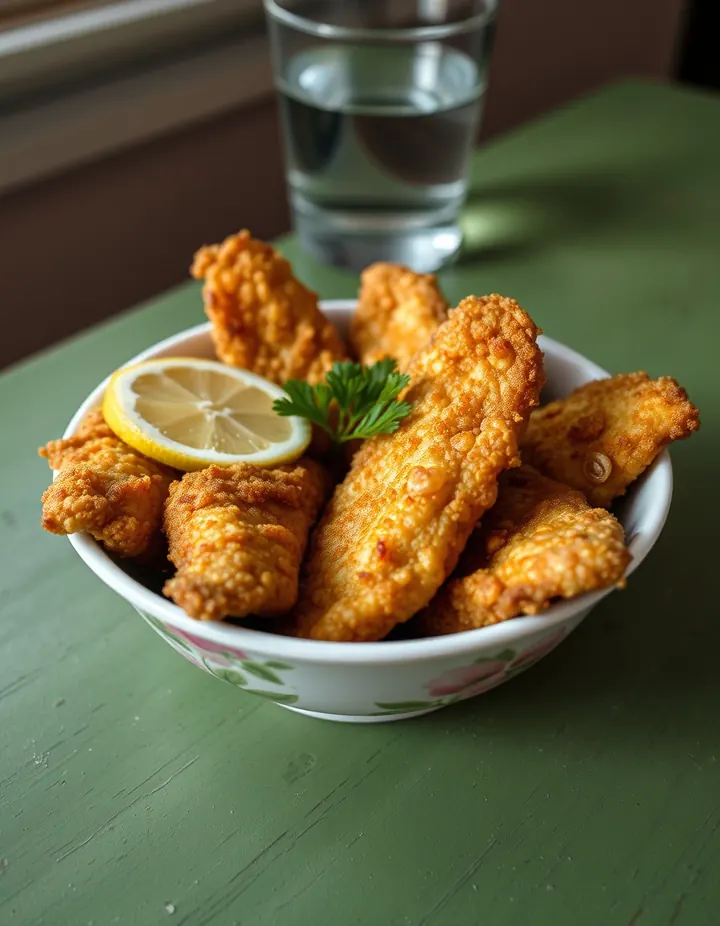 Fried Fish120 recipes
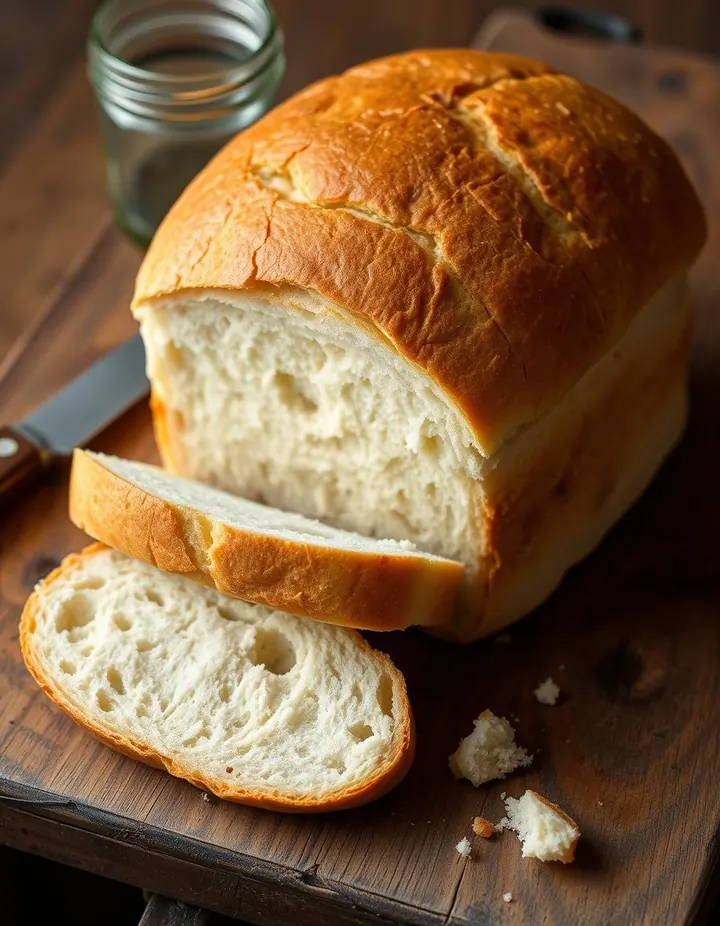 White Bread80 recipes
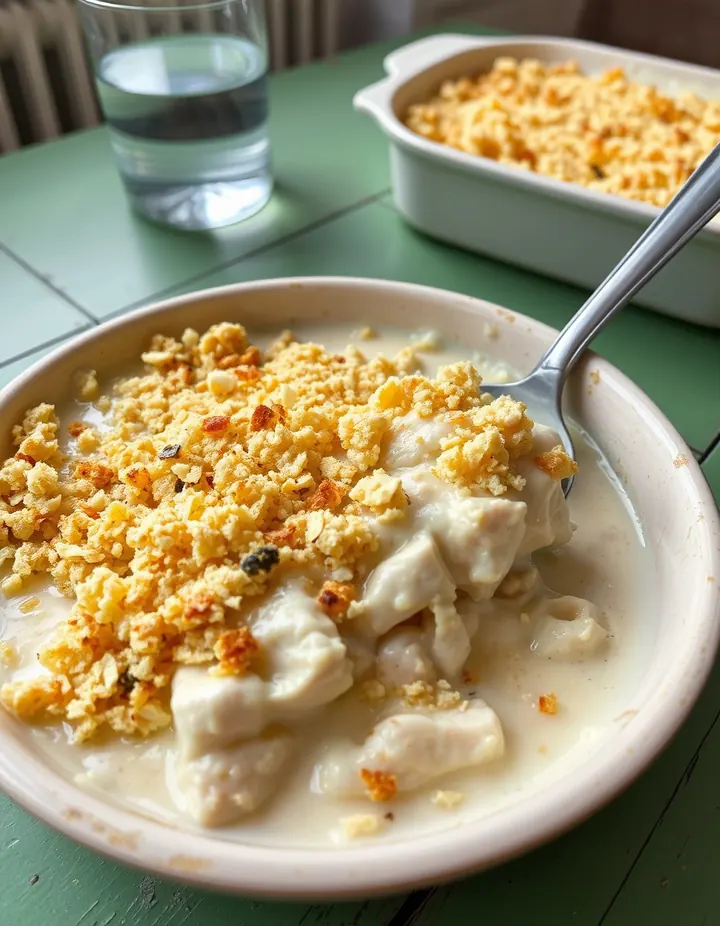 Scalloped Cod69 recipes
The Sunday pairing: one pairing, the chemistry behind it, and how to cook it. No spam, unsubscribe anytime.
Prefer an account? Create a free account for sign-in; Pro adds the full results and chemistry.