Why it works: Cinnamon and nutmeg match in chemistry and in kitchens. They rank in the top 1% of all ingredient pairs, and cooks put them together in 11,917 recipes. Both carry estragole, which smells anise, licorice. The science ↓
The Old Bear's Hot Spiced Wine
Ingredients
Directions
Prepare the fruit
Insert cloves stem‑first into the rind of the clementines so that only the buds stick out. If necessary, pierce the flesh of the clementines with a small knife to allow the cloves to be inserted.
Float the clementines in the wine, rind down, so that the cloves are in the wine.
Heat and serve
Add all remaining ingredients to the wine.
Bring the mixture to a simmer, but do not boil. Stir the liquid with a whisk frequently.
After about 5 minutes of simmering, reduce the heat so the wine stays just below a simmer. Continue heating the wine for 45 minutes.
Serve the wine with a ladle.
Nutrition, whole recipe (rough)
Counts 10 of 13 ingredients. The other 3 aren't in our nutrition table and add nothing above, so the real totals are higher.
What these numbers assume: 10 portions
| Ingredient | Portion assumed | kcal |
|---|---|---|
| Honey | 1 tbsp (21g) | 64 |
| Orange | 1 medium (131g) | 62 |
| Sugar | 1 tbsp (12.5g) granulated | 49 |
| Wine | 2 tbsp cooking wine (30ml) | 25 |
| Nutmeg | 1 tsp ground (2.2g) | 12 |
| Lemon | juice of 1 lemon (48ml) | 12 |
| Clove | 1 tsp ground (2g) | 7 |
| Cinnamon | 1 tsp ground (2.6g) | 6 |
| Garlic | 1 clove (3g) | 4 |
| Ginger | 1 tsp grated fresh (2g) | 2 |
| Clementine | not in our table | 0 |
| Brandy | not in our table | 0 |
| Cognac | not in our table | 0 |
One typical portion per ingredient; the recipe's quantities are not counted. A rough guide only, not for medical or dietary planning.
Steps grouped into stages for easier reading; the method is the source's own.
Explore the science
The flavor team
The pairs that carry this dish. Each one is judged two ways: how much their aromas overlap, and how often cooks already put them together.
-
Cinnamon + nutmegtop 1% of all pairsSmell alikestrongCooked together11,917 recipes
Shared aroma: estragole (anise, licorice).
-
Cinnamon + gingertop 1% of all pairsSmell alikestrongCooked together6,380 recipes
Shared aroma: estragole (anise, licorice).
-
Orange + cinnamontop 3% of all pairsSmell alikestrongCooked together3,437 recipes
Shared aroma: guaiacol (smoky, sweet).
-
Orange + gingertop 4% of all pairsSmell alikestrongCooked together1,833 recipes
Shared aroma: 1-octen-3-one (mushroom, metallic).
-
Nutmeg + gingertop 5% of all pairsSmell alikestrongCooked together3,324 recipes
Shared aroma: estragole (anise, licorice).
Ranks compare each pair with 20,000 random ingredient pairs on CompKitchen. How we score pairs
What each ingredient does
- Red wine
- Forms the base liquid and carries the flavour of the spices and fruit.
- Orange juice
- Adds sweetness and acidity that balance the tannins of the wine.
- Cloves
- Release aromatic oils into the wine, adding warm spice aroma.
- Cinnamon
- Contributes warm, sweet aroma that deepens as the wine heats.
- Honey
- Adds sweetness and a rounded body to the wine.
- Cane sugar
- Adds sweetness to balance the acidity of the juice and wine.
The step that matters
Keep the wine below a simmer. Boiling drives off alcohol and aromatic compounds and can make the wine taste harsh or flat, so gentle heat keeps the flavour fresh and balanced.
Swap the garlic
How well each one fits the dish's main ingredients (red wine, orange, wine, cinnamon, nutmeg, ginger, honey):
- Clovefits better
- Cardamomfits better
- Rosemaryfits better
- Garlicthe original
Fit is the average pairing score against red wine, orange, wine, cinnamon, nutmeg, ginger, honey. Candidates are from the same food group and used in at least 100 recipes.
“What each ingredient does” and “The step that matters” were written by Claude from this recipe’s own method and reviewed in samples by CompKitchen.
You might also like
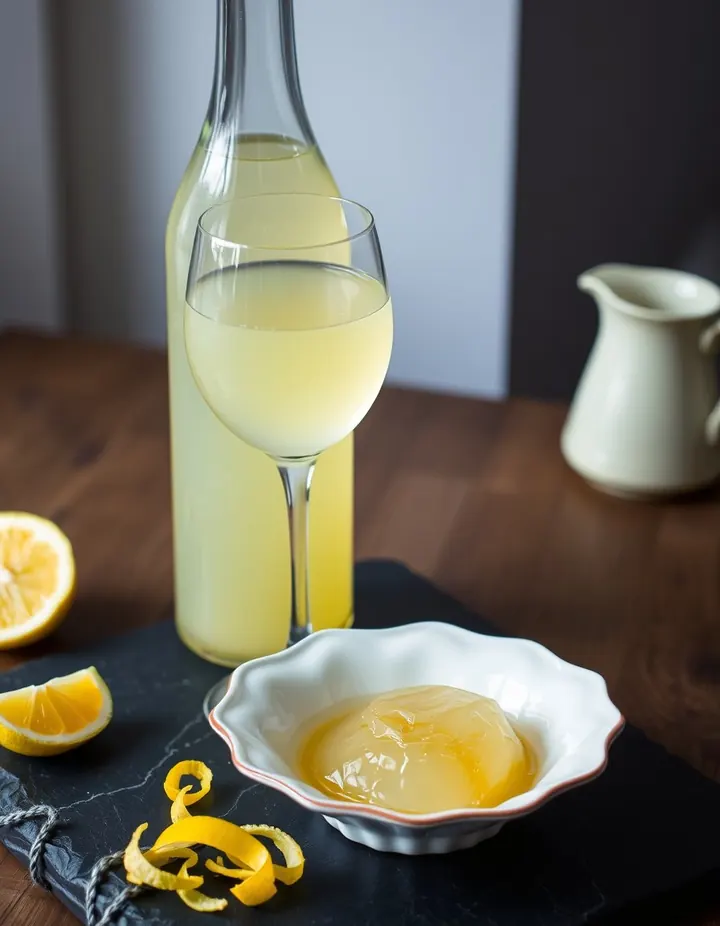 Lemon Wine31 recipes
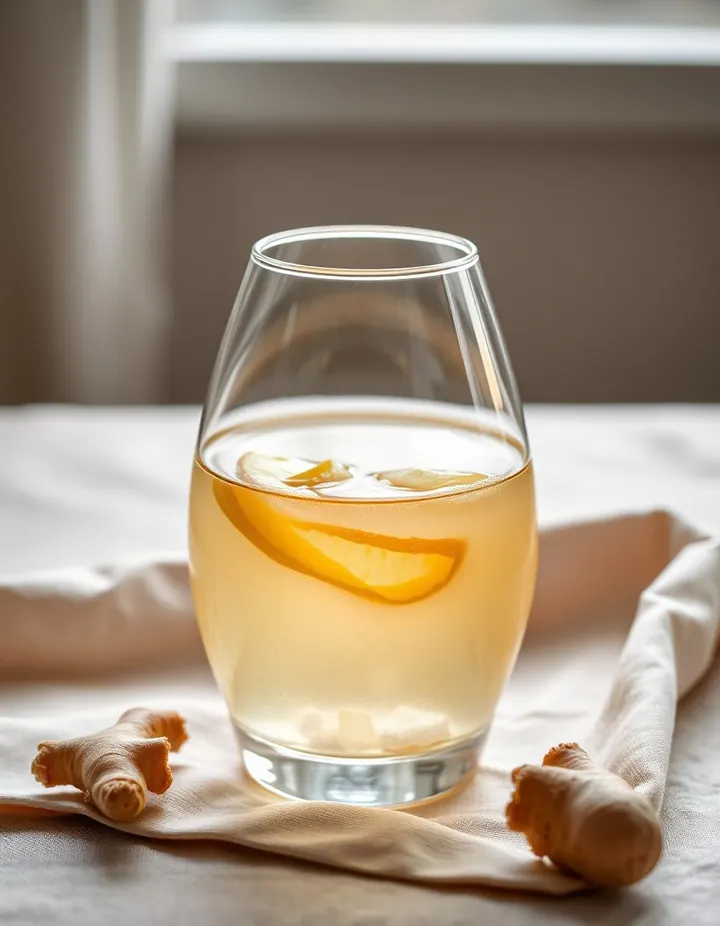 Ginger Wine12 recipes
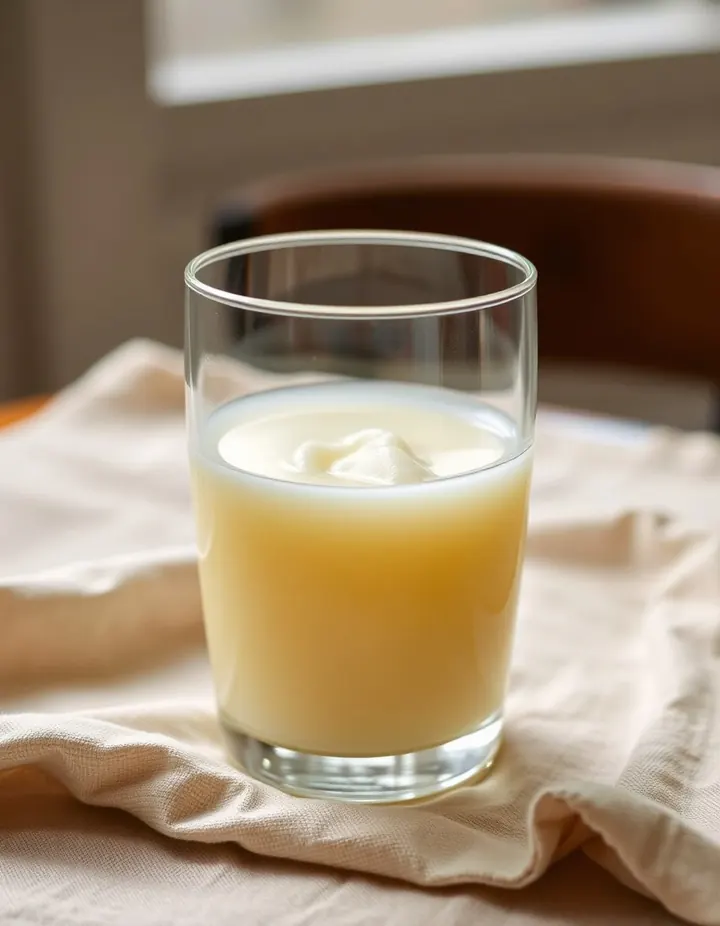 Wine Whey111 recipes
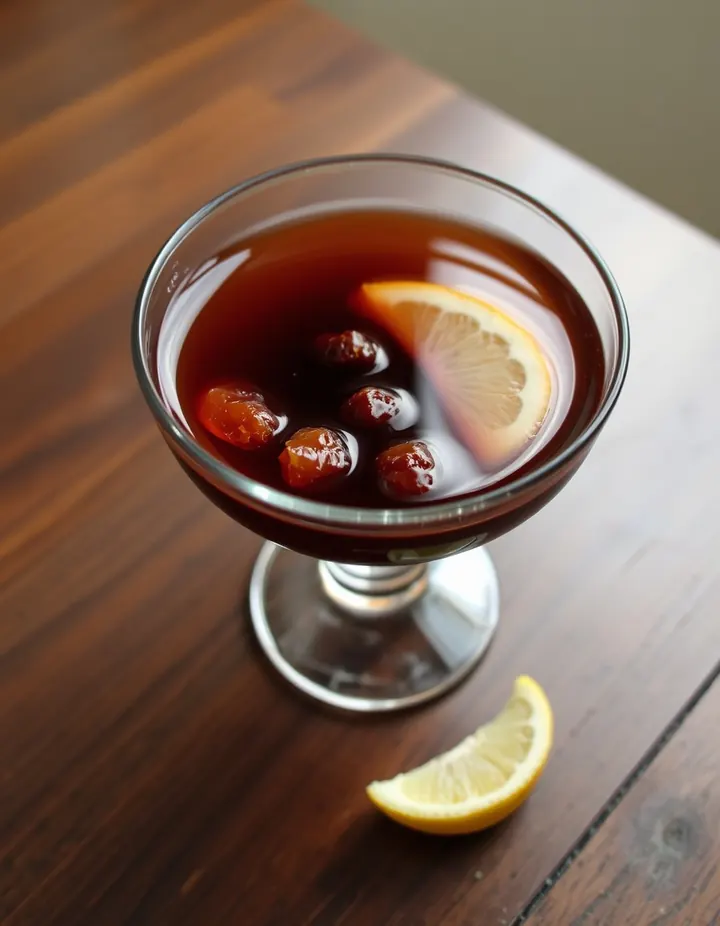 Raisin Wine64 recipes
The free Flavor Lab newsletter: one surprising pairing a week and the molecular reason it works, in 60 seconds. No spam, unsubscribe anytime.
Prefer an account? Create a free account to save pairings and unlock the full chemistry.