Why it works: Flour and butter are a kitchen classic. They rank in the top 12% of all ingredient pairs, and cooks put them together in 124,287 recipes. Both carry isobutyraldehyde, which smells malty, green. The science ↓
Herky’s Donuts
Ingredients
Directions
1. Make the yeasted dough. You’ll start by mixing the yeast with warmed milk and a bit of sugar before building the rest of the dough. When it’s nice and bubbly, you’ll add the dry ingredients and mix with a stand mixer to develop a springy dough that will double in size in its first rise. Ideally, you’ll let this first rise happen in the fridge overnight for about 8 hours, but you can also let the dough rise at room temperature for 1 1/2 to 2 hours.
2. Roll out the dough and punch out the doughnuts. After the dough has doubled, roll it out and punch into 3-inch rounds, then use a 1-inch cutter for the doughnut’s holes. Arrange the doughnuts on a few baking sheets lightly dusted with flour. You can stash these in the fridge overnight for their second rise, or let them rise at room temperature for 45 minutes. Use this time to get your fry oil ready.
3. Fry the doughnuts. Before you heat the fry oil, set up some draining racks and get your thermometer in place. Frying in a heavy-bottomed pot, such as a Dutch oven, helps keep splatters to a minimum. Kitchn’s Food Editor-at-Large, Christine Gallary, introduced me to using chopsticks for flipping and transferring the delicate doughnut dough, and I’ll never go back to using tongs.
4. Glaze the doughnuts. The glaze for these doughnuts is a combination of melted butter, milk, powdered sugar, and vanilla extract. You can make the glaze in the microwave (gently reheating in 30-second bursts), or use a small saucepan to keep the glaze warm on the stovetop. A warm doughnut dipped in warm glaze with give you the best results.
Nutrition, whole recipe (rough)
What these numbers assume: 4 portions
| Ingredient | Portion assumed | kcal |
|---|---|---|
| Flour | 1 cup (125g) all-purpose | 455 |
| Butter | 1 tbsp (14g) | 102 |
| Egg | 1 large egg (50g) | 78 |
| Sugar | 1 tbsp (12.5g) granulated | 49 |
One typical portion per ingredient; the recipe's quantities are not counted. A rough guide only, not for medical or dietary planning.
Explore the science
The flavor team
The pairs that carry this dish. Each one is judged two ways: how much their aromas overlap, and how often cooks already put them together.
-
Flour + buttertop 12% of all pairsSmell alikelowCooked together124,287 recipes
Shared aroma: isobutyraldehyde (malty, green).
-
Flour + sugartop 15% of all pairsSmell alikemoderateCooked together92,116 recipes
Shared aroma: phenylacetaldehyde (hawthorne, honey).
-
Flour + eggtop 15% of all pairsSmell alikelowCooked together106,462 recipes
Shared aroma: isobutyraldehyde (malty, green).
-
Egg + buttertop 17% of all pairsSmell alikemoderateCooked together118,967 recipes
Shared aroma: decanal (soap, orange peel).
-
Sugar + buttertop 17% of all pairsSmell alikemoderateCooked together98,233 recipes
Shared aroma: guaiacol (smoky, sweet).
Flour and butter barely smell alike, yet cooks put them together in 124,287 recipes: they work on texture and structure more than aroma.
Ranks compare each pair with 20,000 random ingredient pairs on CompKitchen. How we score pairs
You might also like
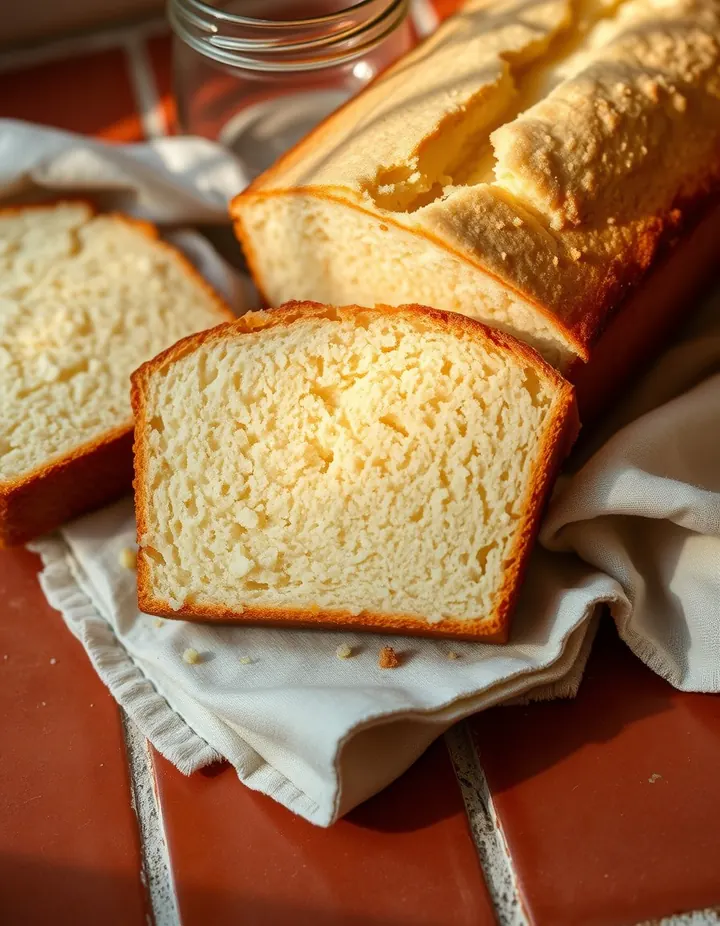 Delicate Cake246 recipes
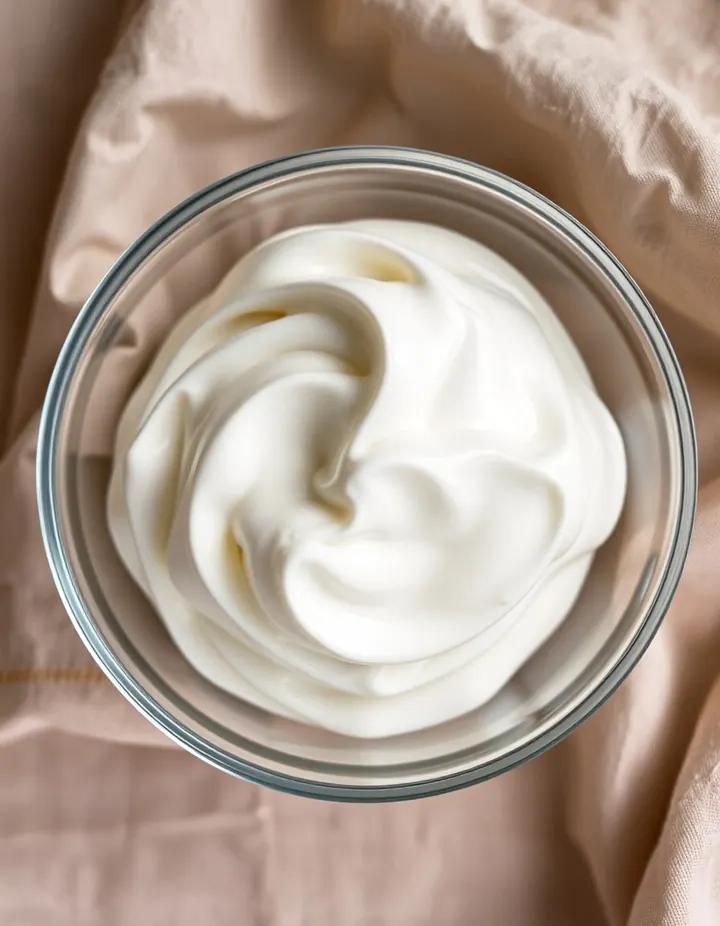 Boiled Frosting69 recipes
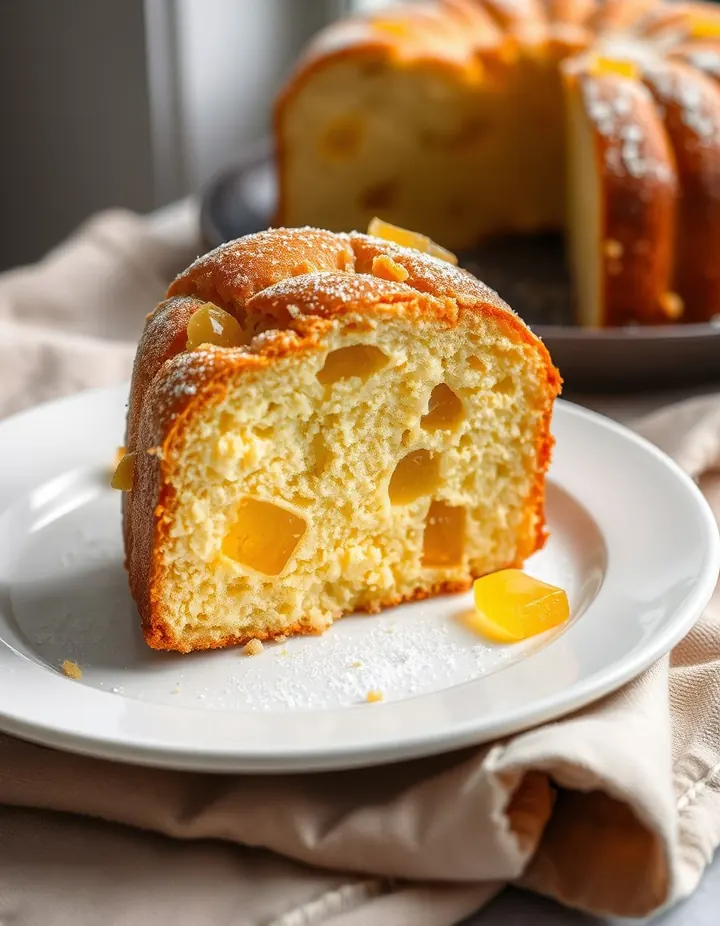 Citron Cake68 recipes
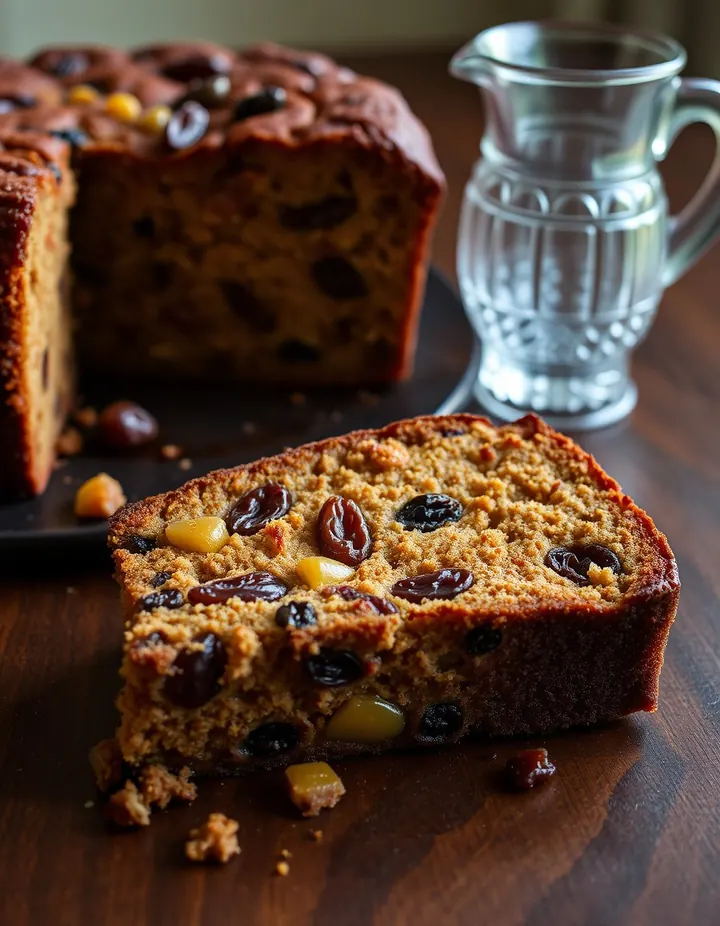 Scotch Cake63 recipes
The free Flavor Lab newsletter: one surprising pairing a week and the molecular reason it works, in 60 seconds. No spam, unsubscribe anytime.
Prefer an account? Create a free account to save pairings and unlock the full chemistry.