Why it works: Sugar and vanilla are a kitchen classic. They rank in the top 8% of all ingredient pairs, and cooks put them together in 35,032 recipes. Both carry beta-damascenone, which smells apple, rose. The science ↓
Red Velvet Bundt Cake
Ingredients
Directions
Prepare the batter
Preheat oven to 350°F. Grease the bundt pan and set aside.
In a mixing bowl, whisk together flour, baking soda, salt, and cocoa powder.
In another bowl, cream sugar and butter with an electric mixer until pale and fluffy, 4–5 minutes.
Add oil and mix.
Add eggs and yolks, one at a time, mixing after each addition.
Add vanilla, vinegar, and red food coloring.
Add the flour and buttermilk
Add about one‑third of the flour mixture and stir to combine.
Add half of the buttermilk and stir to combine.
Repeat, alternately adding the flour and then buttermilk, ending with flour.
Fold in chocolate chips, if using.
Bake and cool
Pour batter into prepared bundt pan and smooth into an even layer. Bake in preheated oven for 40–55 minutes or until a toothpick inserted into the center comes out clean.
Cool in cake pan for 10 minutes, then invert onto a wire cooling rack to cool completely.
Nutrition, whole recipe (rough)
What these numbers assume: 11 portions
| Ingredient | Portion assumed | kcal |
|---|---|---|
| Flour | 1 cup (125g) all-purpose | 455 |
| Chocolate | 1 oz (28g) semisweet | 155 |
| Milk | 1 cup (244ml) whole | 149 |
| Vegetable | 1 tbsp (14g) | 120 |
| Olive Oil | 1 tbsp (14g) | 119 |
| Butter | 1 tbsp (14g) | 102 |
| Egg | 1 large egg (50g) | 78 |
| Sugar | 1 tbsp (12.5g) granulated | 49 |
| Vanilla | 1 tsp extract (4ml) | 12 |
| Vinegar | 1 tbsp (15ml) distilled | 3 |
| Salt | 1 tsp (6g) | 0 |
One typical portion per ingredient; the recipe's quantities are not counted. A rough guide only, not for medical or dietary planning.
Steps grouped into stages for easier reading; the method is the source's own.
Explore the science
The flavor team
The pairs that carry this dish. Each one is judged two ways: how much their aromas overlap, and how often cooks already put them together.
-
Sugar + vanillatop 8% of all pairsSmell alikelowCooked together35,032 recipes
Shared aroma: beta-damascenone (apple, rose).
-
Cocoa powder + vanillatop 10% of all pairsSmell alikemoderateCooked together2,189 recipes
Shared aroma: sotolon (curry, maple).
-
Flour + buttertop 12% of all pairsSmell alikelowCooked together124,287 recipes
Shared aroma: isobutyraldehyde (malty, green).
-
Flour + vanillatop 12% of all pairsSmell alikemoderateCooked together19,241 recipes
Shared aroma: isobutyraldehyde (malty, green).
-
Flour + cocoa powdertop 13% of all pairsSmell alikemoderateCooked together2,244 recipes
Shared aroma: phenylacetaldehyde (hawthorne, honey).
Sugar and vanilla barely smell alike, yet cooks put them together in 35,032 recipes: they work on texture and structure more than aroma.
Ranks compare each pair with 20,000 random ingredient pairs on CompKitchen. How we score pairs
What each ingredient does
- All-purpose flour
- Provides the structure that holds the cake together as it bakes.
- Granulated sugar
- Creaming with butter traps air for a light, tender crumb and adds sweetness.
- Unsalted butter
- Adds fat for richness and tenderness, and helps trap air when creamed with sugar.
- Eggs
- Add structure and binding, and their yolks add richness and moisture.
- Buttermilk
- Adds moisture and acidity that tenderizes the crumb and reacts with the leavening.
- Baking soda
- Reacts with the acidic buttermilk and vinegar to produce gas that lifts the cake.
The step that matters
Alternating the flour and buttermilk. Adding the flour in portions and ending with flour keeps the batter emulsified and limits gluten development, so the cake stays tender rather than tough.
“What each ingredient does” and “The step that matters” were written by Claude from this recipe’s own method and reviewed in samples by CompKitchen.
You might also like
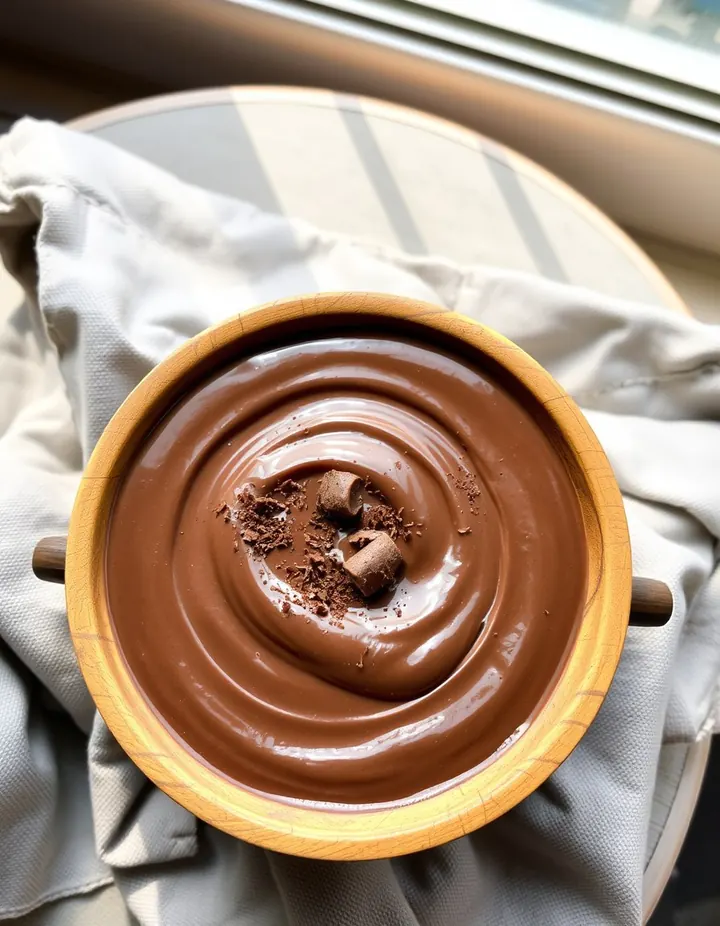 Chocolate Cream171 recipes
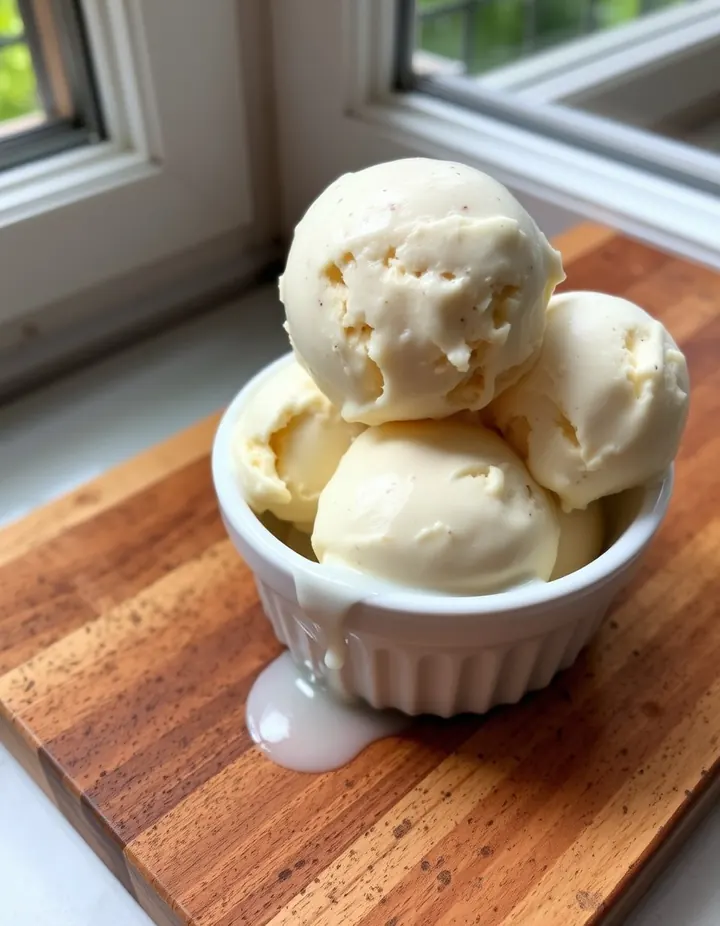 Vanilla Ice Cream108 recipes
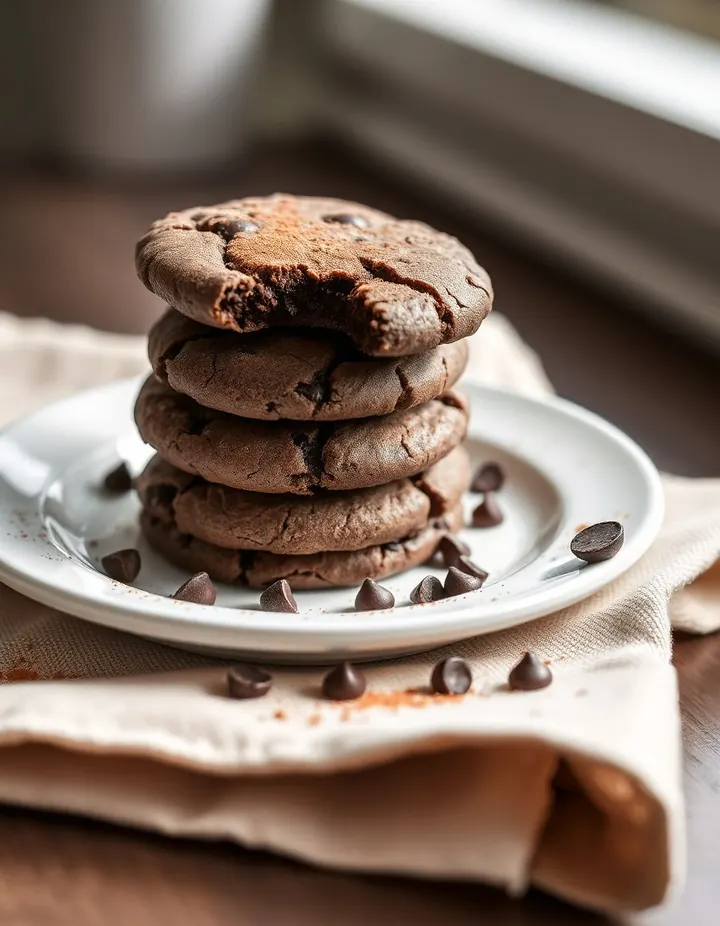 Chocolate Cookies76 recipes
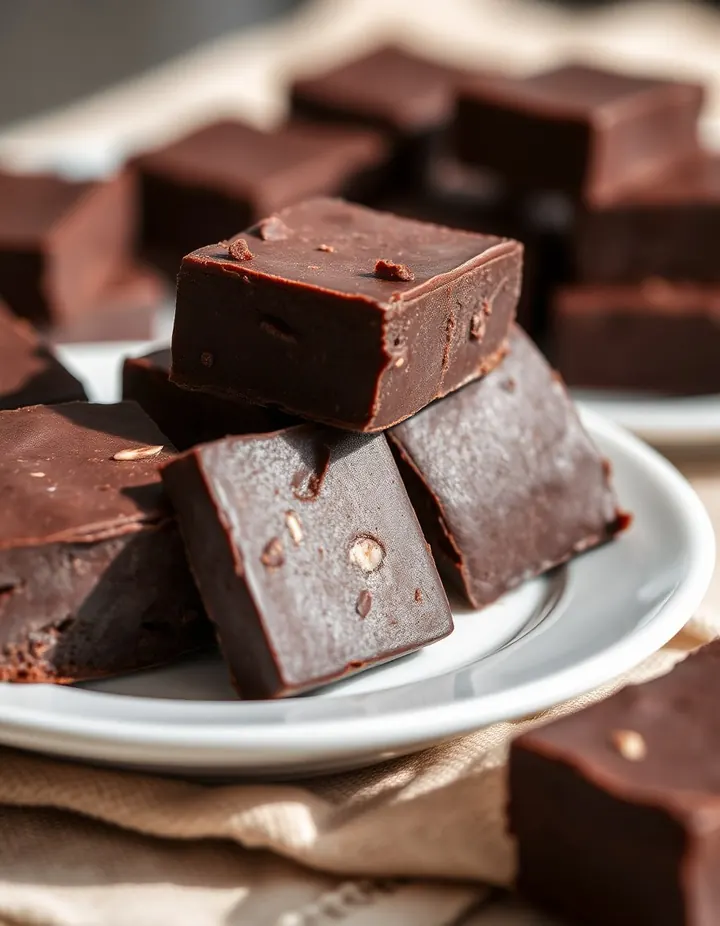 Chocolate Fudge55 recipes
The free Flavor Lab newsletter: one surprising pairing a week and the molecular reason it works, in 60 seconds. No spam, unsubscribe anytime.
Prefer an account? Create a free account to save pairings and unlock the full chemistry.