The recipe
Ingredients
Directions
Prepare the cabbage
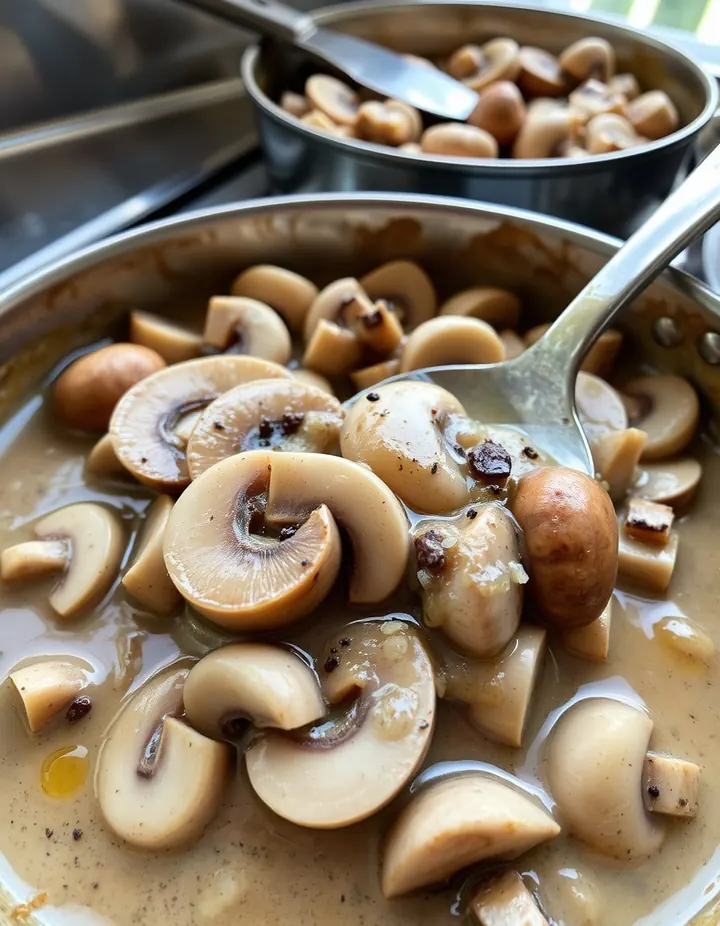
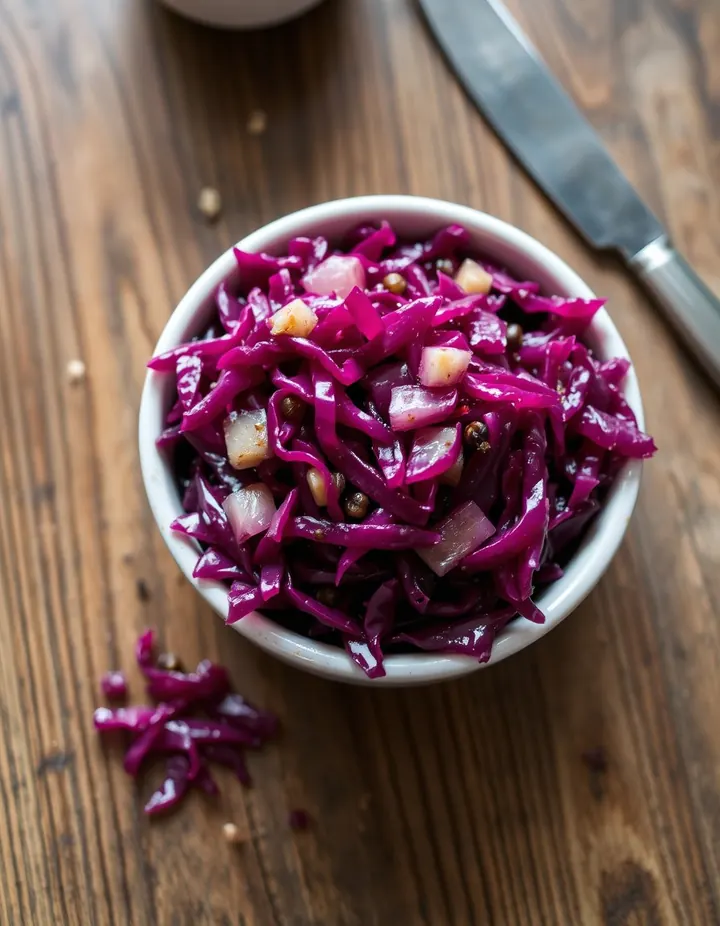
Chop the cabbage, add pepper and salt, a part of the mushrooms and bay leaf, and cook until soft (about 2–3 hours).
Cook the meats
Chop the bacon and let it melt in a frying pan.
Fry the chopped meat and sausage in the bacon grease.
If necessary, drain excess water from the stewed cabbage and add the fried meat, bacon, and sausage along with the grease out of the pan.
Stew and finish
Stew everything as long as possible; the longer, the better (sometimes it is done for 3 hours a day on 3 following days, or even longer).
When ready, the dish should be a thick mash that does not leak water on the plate; it should be mildly sour and have a strong flavour of smoked bacon.
Steps grouped into stages for easier reading; the method is the source's own.
Explore the science
What each ingredient does
- Fresh cabbage
- Forms the bulk of the stew and breaks down into a soft, mash-like texture during long cooking.
- Fermented cabbage (sauerkraut)
- Adds the mild sourness that defines the finished dish.
- Pork or venison
- Contributes meaty richness and savoury depth to the stew.
- Sausage
- Adds smoky, savoury flavour and fat that enriches the stew.
- Bacon
- Its rendered fat carries the smoky flavour through the whole dish.
- Mushrooms
- Add earthy aroma and umami depth to the cabbage.
The step that matters
Stewing until the mash is thick. Long, slow stewing lets the cabbage break down and excess water evaporate, so the dish thickens and the flavours meld. Stopping early leaves it watery and sharp.
“What each ingredient does” and “The step that matters” were written by Claude from this recipe’s own method and reviewed in samples by CompKitchen.
You might also like
 Illustration
 Illustration
 Illustration
 Illustration
The Sunday pairing: one pairing, the chemistry behind it, and how to cook it. No spam, unsubscribe anytime.
Prefer an account? Create a free account for sign-in; Pro adds the full results and chemistry.