Why it works: Beans and rice match in chemistry and in kitchens. They rank in the top 4% of all ingredient pairs, and cooks put them together in 1,017 recipes. Both carry trans-2-nonenal, which smells cardboard, fatty. The science ↓
Cajun Red Beans and Rice
6 people for 2-3 daysIngredients
Directions
Prepare
Cover beans with water and let soak overnight. Drain.
Make the broth
Place ham hocks, celery, onions, bell peppers, bay leaves, and seasoning into a large saucepan with 10 cups water. Cover and bring to boil.
Simmer until meat is fork tender, about an hour after boiling starts, stirring occasionally.
Remove ham hocks from pan and set aside. Skim fat from pan and discard.
Remove a significant fraction of liquid from pan.
Cook the beans
Add drained beans and just enough liquid to cover beans.
Simmer beans until they just begin to break up and the liquid becomes creamy, about 45 minutes, stirring frequently.
Add back liquid as needed to keep beans covered.
If beans begin to scorch, do not stir; transfer mixture to another pan without scraping scorched beans into new pot.
Add ham hocks and cook 45 minutes more.
Serve
Serve immediately.
On a heated serving platter, mound ¾ cup rice per serving at one end of platter, place ham hocks at other end, and put 1 cup beans per serving in middle.
Nutrition, whole recipe (rough)
Counts 7 of 10 ingredients. The other 3 aren't in our nutrition table and add nothing above, so the real totals are higher.
What these numbers assume: 7 portions
| Ingredient | Portion assumed | kcal |
|---|---|---|
| Pork | 100g cooked | 242 |
| Rice | 1 cup cooked (158g) white | 206 |
| Onion | 1 medium (110g) | 44 |
| Bell Pepper | 1 medium (119g) | 31 |
| Chili | 1 tsp (2.7g) | 8 |
| Celery | 1 stalk (40g) | 6 |
| Bay Leaf | 1 leaf (0.6g) | 2 |
| Red Bean | not in our table | 0 |
| Cowpea | not in our table | 0 |
| Sauce | not in our table | 0 |
One typical portion per ingredient; the recipe's quantities are not counted. A rough guide only, not for medical or dietary planning.
Steps grouped into stages for easier reading; the method is the source's own.
Explore the science
The flavor team
The pairs that carry this dish. Each one is judged two ways: how much their aromas overlap, and how often cooks already put them together.
-
Beans + ricetop 4% of all pairsSmell alikestrongCooked together1,017 recipes
Shared aroma: trans-2-nonenal (cardboard, fatty).
-
Celery + peppertop 5% of all pairsSmell alikestrongCooked together16,012 recipes
Shared aroma: 4'-methylacetophenone (bitter almond).
-
Beans + celerytop 6% of all pairsSmell alikestrongCooked together1,159 recipes
Shared aroma: 2-methoxy-4-vinylphenol (clove, smoky).
-
Celery + oniontop 7% of all pairsSmell alikemoderateCooked together18,518 recipes
Shared aroma: guaiacol (smoky, sweet).
-
Beans + oniontop 7% of all pairsSmell alikestrongCooked together5,242 recipes
Shared aroma: 2-isopropyl-3-methoxypyrazine (earthy, pea).
Ranks compare each pair with 20,000 random ingredient pairs on CompKitchen. How we score pairs
What each ingredient does
- Dry red beans
- Break down as they simmer, thickening the liquid into a creamy, starchy sauce.
- Ham hocks
- Release smoky, savory flavor and fat into the pot, seasoning the broth and beans.
- Onions
- Build the savory aromatic base of the broth through slow softening and sweetness.
- Celery
- Adds aromatic, herbal depth to the broth as part of the trinity base.
- Bell peppers
- Contribute fresh, grassy aroma and mild sweetness to the broth as part of the trinity base.
- Cooked rice
- Absorbs the creamy bean liquid, giving the beans a neutral starchy base to sit on.
The step that matters
Stop stirring if the beans begin to scorch. Starches and sugars in the beans settle on the pot bottom and burn easily. Stirring scrapes the scorched layer into the mixture, spreading a bitter taste, so transferring to a clean pan is safer.
Swap the onion
How well each one fits the dish's main ingredients (beans, ham, celery, pepper, sauce, rice):
- Mustardfits better
- Tomatofits better
- Carrotfits better
- Onionthe original
Fit is the average pairing score against beans, ham, celery, pepper, sauce, rice. Candidates are from the same food group and used in at least 100 recipes.
“What each ingredient does” and “The step that matters” were written by Claude from this recipe’s own method and reviewed in samples by CompKitchen.
You might also like
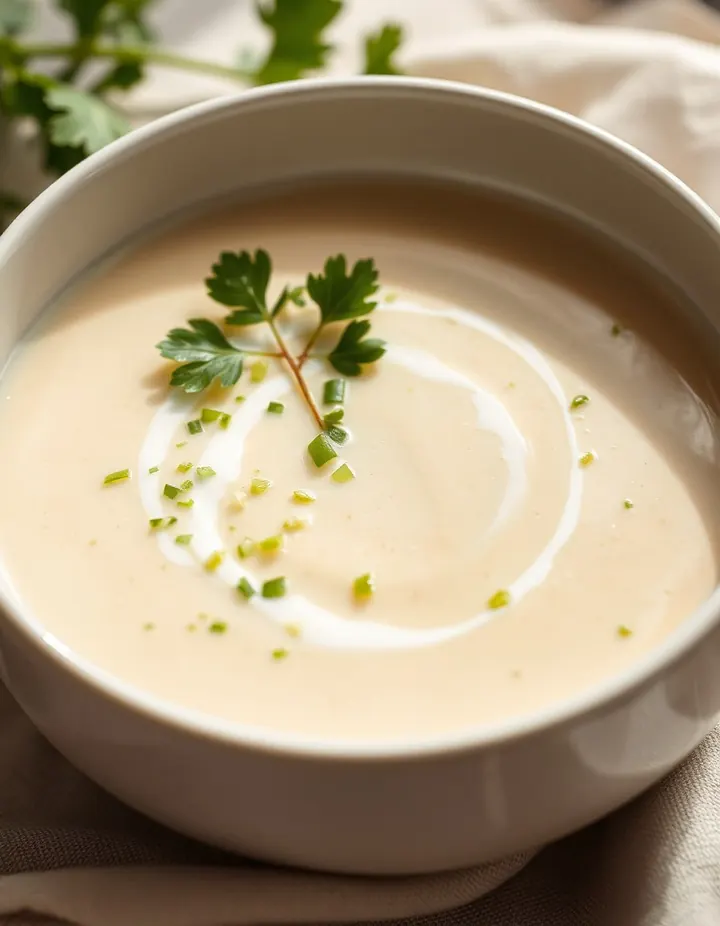 Cream of Celery Soup113 recipes
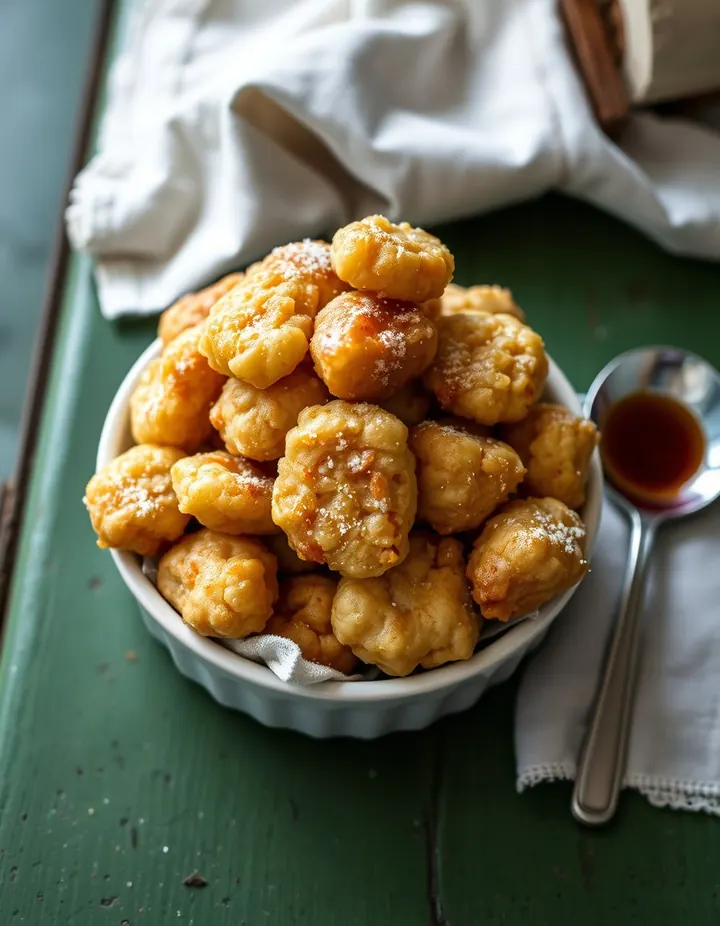 Rice Fritters84 recipes
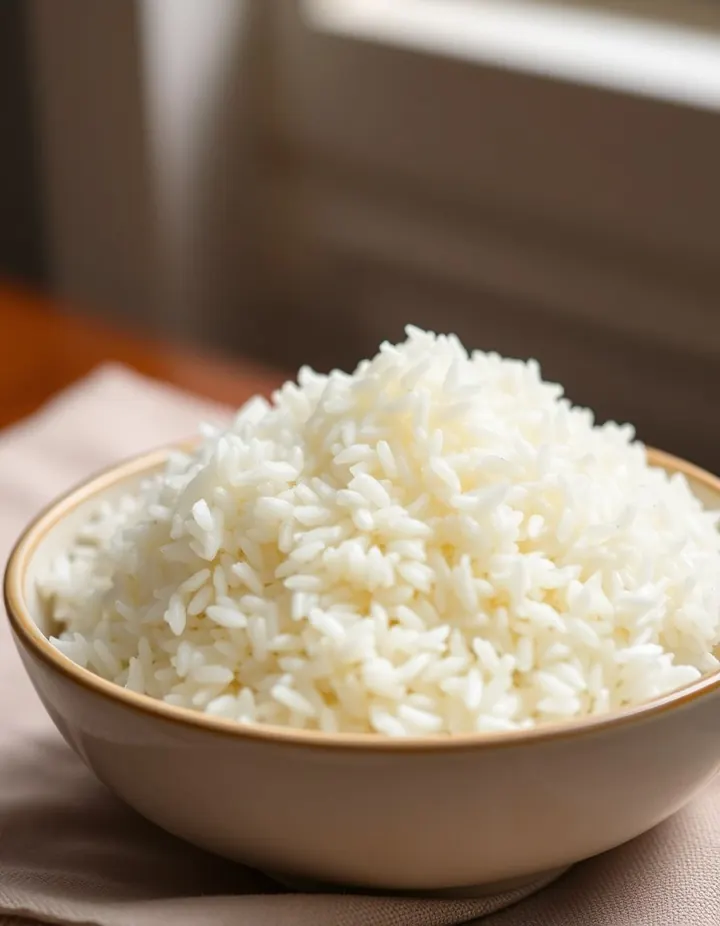 Steamed Rice48 recipes
 Rice Griddle Cakes28 recipes
The free Flavor Lab newsletter: one surprising pairing a week and the molecular reason it works, in 60 seconds. No spam, unsubscribe anytime.
Prefer an account? Create a free account to save pairings and unlock the full chemistry.