Why it works: Wheat and olive match in chemistry and in kitchens. They rank in the top 6% of all ingredient pairs, and cooks put them together in 1,100 recipes. Both carry 2-undecenal, which smells sweet. The science ↓
Ciabatta
Serves 4Ingredients
Directions
Make the dough
Dissolve salt and yeast in lukewarm water.
Add sifted wheat flour and olive oil into the lukewarm water. Mix.
After the dough is thoroughly mixed and has a uniform texture and consistency, cover and leave to rest in a warm place for 45 minutes.
Fold and rest
Take the dough out and work it again by stretching it and folding it over itself on all four corners; add flour to the surface to prevent sticking. Cover and leave to rest for about 30 minutes, during which the dough will rise.
Repeat the process by stretching the dough and folding it over itself on all sides, allowing air pockets to form. Cover and rest for 30 minutes.
Repeat the above process once more and leave the dough to settle for 30 minutes while covered.
Shape and bake
Take the dough up, place it on a baking sheet, and cut it into equal parts to form smaller, separate elongated loaves.
Place the dough in a preheated oven and bake at 430°F (221°C) for 18 minutes.
Nutrition, whole recipe (rough)
Counts 3 of 5 ingredients. The other 2 aren't in our nutrition table and add nothing above, so the real totals are higher.
What these numbers assume: 3 portions
| Ingredient | Portion assumed | kcal |
|---|---|---|
| Flour | 1 cup (125g) all-purpose | 455 |
| Olive Oil | 1 tbsp (14g) | 119 |
| Salt | 1 tsp (6g) | 0 |
| Wheat | not in our table | 0 |
| Water | not in our table | 0 |
One typical portion per ingredient; the recipe's quantities are not counted. A rough guide only, not for medical or dietary planning.
Steps grouped into stages for easier reading; the method is the source's own.
Explore the science
The flavor team
The pairs that carry this dish. Each one is judged two ways: how much their aromas overlap, and how often cooks already put them together.
-
Wheat + olivetop 6% of all pairsSmell alikestrongCooked together1,100 recipes
Shared aroma: 2-undecenal (sweet).
-
Wheat + flourtop 12% of all pairsSmell alikemoderateCooked together4,373 recipes
Shared aroma: isobutyraldehyde (malty, green).
-
Flour + olivetop 19% of all pairsSmell alikemoderateCooked together16,871 recipes
Shared aroma: isobutyraldehyde (malty, green).
Ranks compare each pair with 20,000 random ingredient pairs on CompKitchen. How we score pairs
What each ingredient does
- Wheat flour
- Forms the gluten network that traps gas and gives the bread its structure.
- Lukewarm water
- Hydrates the flour so gluten can develop and activates the yeast.
- Active dry yeast
- Produces carbon dioxide gas that makes the dough rise and become airy.
- Olive oil
- Adds fat that softens the crumb slightly and gives a tender texture.
- Salt
- Strengthens the gluten and controls the speed of yeast fermentation.
The step that matters
Folding and resting the dough. Stretching and folding builds gluten strength and traps air pockets. Resting lets the yeast produce gas, so the dough rises and keeps its open, airy structure.
“What each ingredient does” and “The step that matters” were written by Claude from this recipe’s own method and reviewed in samples by CompKitchen.
You might also like
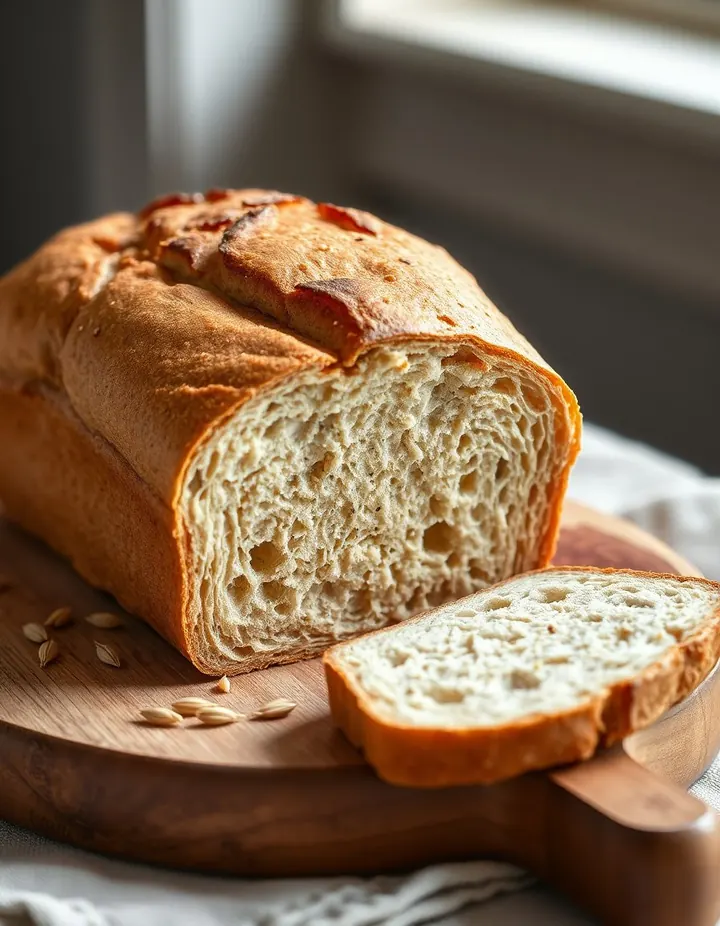 Wheat Bread65 recipes
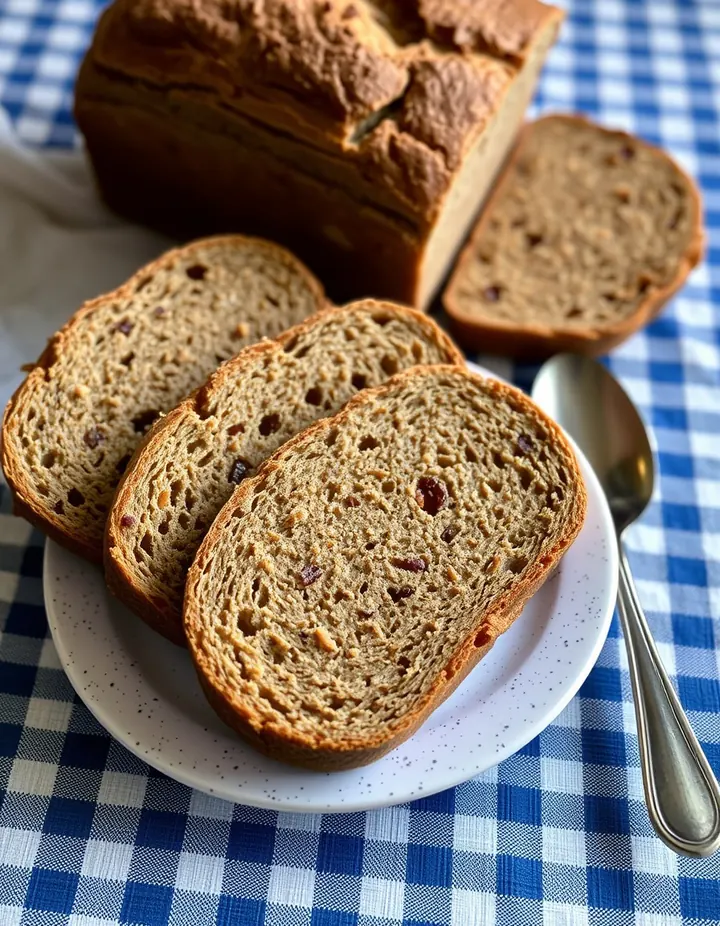 Whole Wheat Bread55 recipes
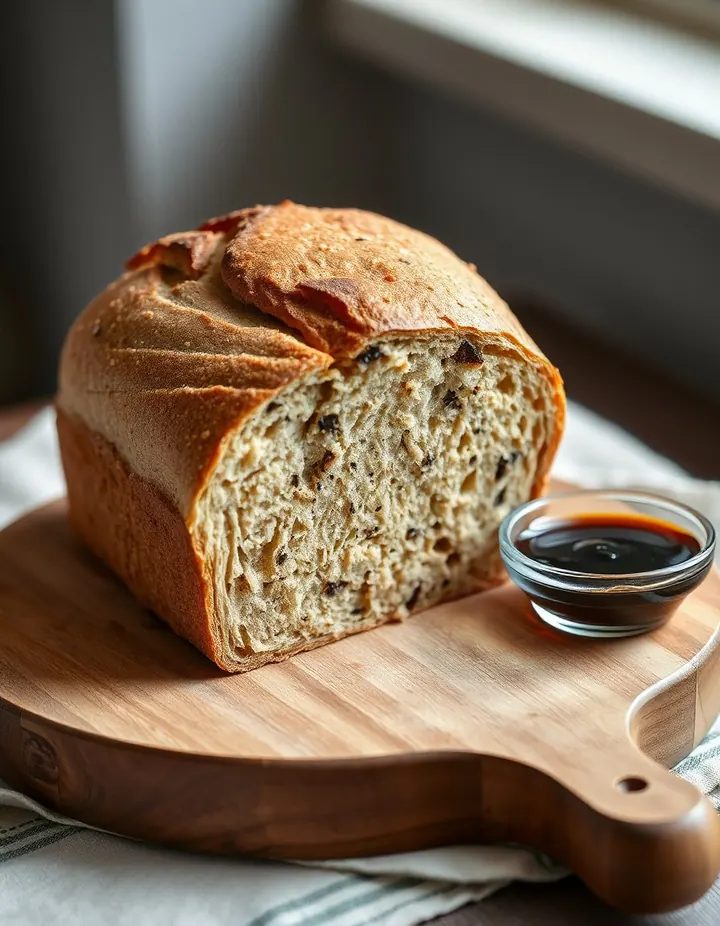 Barley Wheat Bread6 recipes
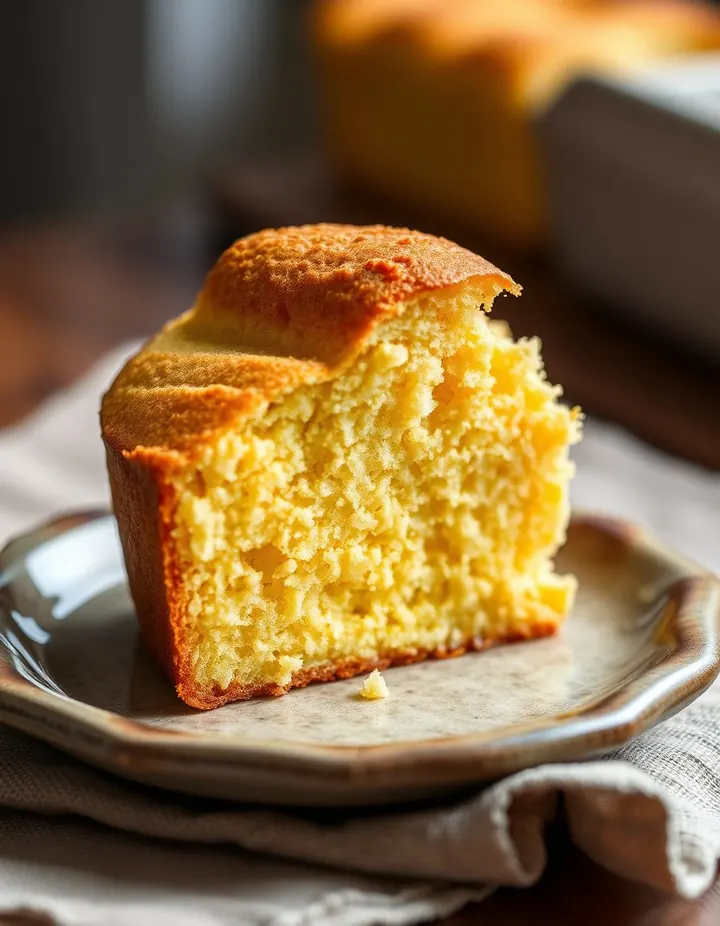 Cornbread345 recipes
The free Flavor Lab newsletter: one surprising pairing a week and the molecular reason it works, in 60 seconds. No spam, unsubscribe anytime.
Prefer an account? Create a free account to save pairings and unlock the full chemistry.