Why it works: Vanilla and cardamom match in chemistry and in kitchens. They rank in the top 6% of all ingredient pairs, and cooks put them together in 237 recipes. Both carry eucalyptol, which smells eucalyptus, herbal. The science ↓
Crème Brûlée III
Ingredients
Directions
Prepare
Preheat oven to 325°F (160°C).
Make the custard
Heat cream and flavorings in a saucepan over medium heat until simmering. Remove from heat.
Whisk together egg yolks and ¼ cup sugar.
Pour a small amount of warm cream mixture into egg yolk mixture and whisk until combined.
Continue adding more warm cream until the egg mixture is warm.
Combine the egg/cream mixture with the remaining cream in the saucepan.
Heat again, stirring continuously, until thickened and coats the back of a spoon.
Bake and chill
Pour the custard into ramekins (depending on size, may fill 1 to 4).
Place the ramekins in a pan with a bit of water in the bottom, and bake for around 40 minutes or until the custard is set.
Refrigerate a few hours until cool.
Finish and serve
Sprinkle the remaining ¼ cup sugar over the custard, then caramelize under the broiler for about 5 minutes, checking and turning every minute to prevent burning. Serve.
Nutrition, whole recipe (rough)
Counts 5 of 6 ingredients. The other 1 aren't in our nutrition table and add nothing above, so the real totals are higher.
What these numbers assume: 5 portions
| Ingredient | Portion assumed | kcal |
|---|---|---|
| Egg | 1 large egg (50g) | 78 |
| Cream | 1 tbsp (15ml) heavy | 51 |
| Sugar | 1 tbsp (12.5g) granulated | 49 |
| Vanilla | 1 tsp extract (4ml) | 12 |
| Cardamom | 1 tsp ground (2g) | 6 |
| Citrus | not in our table | 0 |
One typical portion per ingredient; the recipe's quantities are not counted. A rough guide only, not for medical or dietary planning.
Steps grouped into stages for easier reading; the method is the source's own.
Explore the science
The flavor team
The pairs that carry this dish. Each one is judged two ways: how much their aromas overlap, and how often cooks already put them together.
-
Vanilla + cardamomtop 6% of all pairsSmell alikestrongCooked together237 recipes
Shared aroma: eucalyptol (eucalyptus, herbal).
-
Sugar + vanillatop 8% of all pairsSmell alikelowCooked together35,032 recipes
Shared aroma: beta-damascenone (apple, rose).
-
Cream + sugartop 9% of all pairsSmell alikemoderateCooked together43,450 recipes
Shared aroma: 2,3-butanedione (butter, sweet).
-
Cream + vanillatop 15% of all pairsSmell alikelowCooked together12,301 recipes
Shared aroma: 2-nonanone (fruity, floral).
-
Sugar + cardamomtop 19% of all pairsSmell alikelowCooked together1,044 recipes
Shared aroma: 1-penten-3-one (fish, pungent).
Sugar and vanilla barely smell alike, yet cooks put them together in 35,032 recipes: they work on texture and structure more than aroma.
Ranks compare each pair with 20,000 random ingredient pairs on CompKitchen. How we score pairs
What each ingredient does
- Egg yolks
- Thicken the custard as they set, giving it a smooth, creamy structure.
- Heavy cream
- Adds fat and richness, producing a silky, moist texture.
- Granulated white sugar
- Sweetens the custard and forms the brittle caramel crust when broiled.
The step that matters
Heat again, stirring continuously, until thickened. Egg yolks thicken through gentle heat. If the mixture gets too hot or is not stirred, the proteins can curdle and turn grainy instead of smooth.
Swap the cardamom
How well each one fits the dish's main ingredients (cream, egg, sugar, vanilla):
- Cinnamonfits better
- Nutmegfits better
- Cardamomthe original
- Peppermintfits about as well
Fit is the average pairing score against cream, egg, sugar, vanilla. Candidates are from the same food group and used in at least 100 recipes.
“What each ingredient does” and “The step that matters” were written by Claude from this recipe’s own method and reviewed in samples by CompKitchen.
You might also like
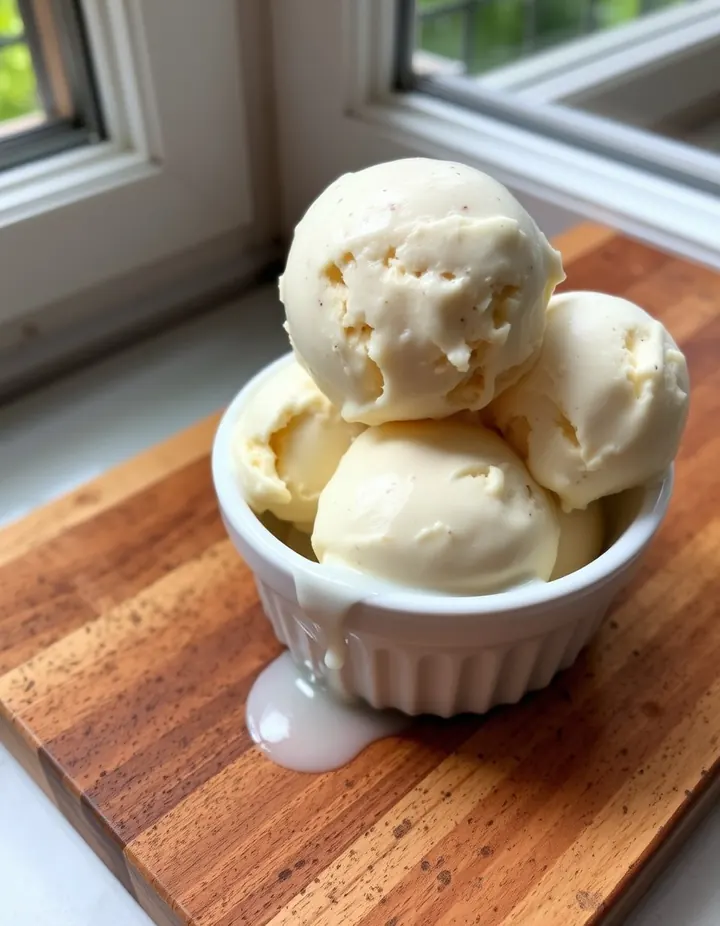 Vanilla Ice Cream108 recipes
 White Cake431 recipes
 Pound Cake373 recipes
 Orange Bundt Cake349 recipes
The free Flavor Lab newsletter: one surprising pairing a week and the molecular reason it works, in 60 seconds. No spam, unsubscribe anytime.
Prefer an account? Create a free account to save pairings and unlock the full chemistry.