Why it works: Pork and peanut oil work together. They rank in the top 8% of all ingredient pairs, and 137 recipes mention both. Both carry 3-ethyl-2,5-dimethylpyrazine, which smells roasted, nutty. The science ↓
The recipe
Serves 10Ingredients
Contains: peanut (auto-detected from the ingredients and method; we can miss things, so check labels)
Directions
Braise the pork
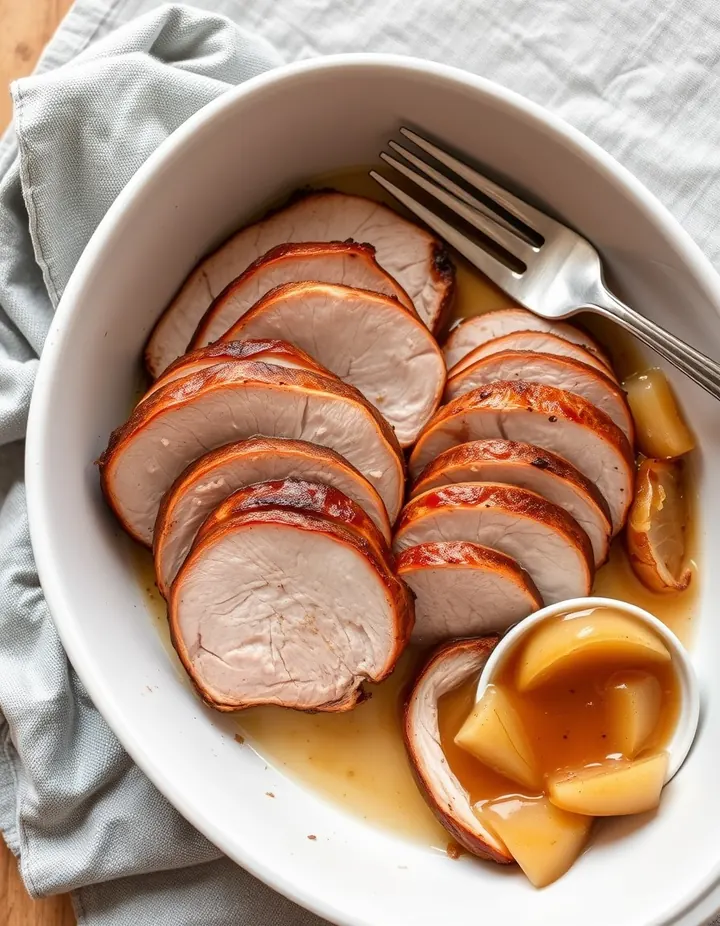
Place the pork in a 4-quart covered stove-top casserole dish and add the vinegar mixture.
Bring to a boil and reduce the heat.
Cook, covered, for about an hour, until the pork is tender.
Make sure that the liquid doesn't dry out. Add more water if necessary.
Make the sauce
Heat a frying pan and add the lard or oil. When the oil is hot enough, sauté the onion and garlic until the onion appears translucent.
Remove from heat.
Add the oil, garlic, and onion to the pork and continue cooking for 5 minutes.
Purée the pork blood in a food processor. Add the blood to the pork gradually while stirring the mixture.
Bring to a boil. Add the chopped pepper and simmer uncovered to reduce the sauce until desired thickness is achieved.
Serve
Keep covered and serve hot.
Cook to a safe temperature. This method doesn't say how hot the inside should get. Check with a food thermometer in the thickest part:
- Beef, pork, lamb and veal steaks, chops and roasts: 145°F (63°C), then rest 3 minutes.
Figures from the USDA's safe minimum internal temperatures.
Steps grouped into stages for easier reading; the method is the source's own.
Found this recipe through an AI assistant? CompKitchen also shows which ingredients go well together and why, from the aroma molecules they share and how often recipes combine them. Try the pairing tools.
Explore the science
The flavor team
The pairs that carry this dish. Each one is judged two ways: how much aroma chemistry they share, and how many recipes mention both.
-
Pork + peanut oiltop 8% of all pairsAroma overlapmoderateMentioned together137 recipes
Shared aroma: 3-ethyl-2,5-dimethylpyrazine (roasted, nutty).
-
Onion + garlictop 1% of all pairsAroma overlapstrongMentioned together29,030 recipes
Shared aroma: furaneol (caramel, strawberry).
-
Pork + oniontop 4% of all pairsAroma overlapstrongMentioned together18,199 recipes
Shared aroma: 2-isopropyl-3-methoxypyrazine (earthy, pea).
-
Garlic + peppertop 5% of all pairsAroma overlapmoderateMentioned together27,044 recipes
Shared aroma: beta-phellandrene (minty, terpene).
-
Vinegar + garlictop 5% of all pairsAroma overlapmoderateMentioned together9,034 recipes
Shared aroma: acetic acid (sour, vinegar).
Ranks compare each pair with 20,000 random ingredient pairs on CompKitchen. How we score pairs
What each ingredient does
- Pork butt
- Provides the meat that becomes tender during long, covered simmering.
- Pork blood
- Thickens the sauce and gives it a rich, dark body as it heats.
- Vinegar
- Adds sourness that brightens the rich sauce and helps tenderize the meat.
- Yellow onion
- Adds sweetness and savory depth when softened in fat.
- Garlic
- Adds aroma and pungency that mellows during cooking.
The step that matters
Adding the blood. Blood can curdle or clump if it is added too fast or allowed to boil hard. Adding it gradually while stirring, and keeping the sauce at a gentle simmer, helps it blend smoothly and thicken evenly.
Flavor stand-ins for the onion
How well each one fits the dish's main ingredients (pork, peanut oil, vinegar, garlic, pepper):
- Capsicumabout as good a flavor fit
- Onionthe original
- Potatoabout as good a flavor fit
- Tomatoabout as good a flavor fit
Fit is the average pairing score against pork, peanut oil, vinegar, garlic, pepper. Candidates are from the same food group and used in at least 100 recipes. This compares flavor only: it does not check the job the ingredient does in the dish (bulk, moisture, acidity, structure).
“What each ingredient does” and “The step that matters” were written by Claude, an AI, from this recipe’s own method. They are not checked recipe by recipe, so they can be wrong.
Make it your own
Stand-ins, a drink, and quick taste fixes for this dish, ranked by how well each fits its other ingredients: shared aroma molecules and how often recipes combine them.
You might also like
 Illustration
 Illustration
 Illustration
 Illustration
The Sunday pairing: one pairing, the chemistry behind it, and how to cook it. No spam, unsubscribe anytime.
Prefer an account? Create a free account for sign-in; Pro adds the full results and chemistry.