Why it works: Rice and celery are a kitchen classic. They rank in the top 7% of all ingredient pairs, and cooks put them together in 2,169 recipes. Both carry 4'-methylacetophenone, which smells bitter almond. The science ↓
Euneo-juk
Ingredients
Directions
Prepare
Soak the rice in cold water.
Remove the fish's viscera, wash the fish well in cold water, place it in a pot, cover with water, and boil until cooked.
Remove the fish from the pot and reserve the cooking water. Remove the flesh from the bones and set aside. If desired, return the remaining carcass to the cooking water and continue cooking to make a stronger broth; otherwise remove the carcass.
Make the porridge
Add doenjang, gochujang, and ginger to the fish broth.
Drain the rice and add it to the broth; cook until the rice is tender.
Add water celery, crown daisy, chili, and perilla leaves to the soup. Simmer the soup until the greens are cooked to your liking.
Return the cooked fish meat to the soup and serve.
Nutrition, whole recipe (rough)
Counts 4 of 6 ingredients. The other 2 aren't in our nutrition table and add nothing above, so the real totals are higher.
What these numbers assume: 4 portions
| Ingredient | Portion assumed | kcal |
|---|---|---|
| Rice | 1 cup cooked (158g) white | 206 |
| Chili | 1 tsp (2.7g) | 8 |
| Celery | 1 stalk (40g) | 6 |
| Ginger | 1 tsp grated fresh (2g) | 2 |
| Water | not in our table | 0 |
| Gochujang | not in our table | 0 |
One typical portion per ingredient; the recipe's quantities are not counted. A rough guide only, not for medical or dietary planning.
Steps grouped into stages for easier reading; the method is the source's own.
Explore the science
The flavor team
The pairs that carry this dish. Each one is judged two ways: how much their aromas overlap, and how often cooks already put them together.
-
Rice + celerytop 7% of all pairsSmell alikemoderateCooked together2,169 recipes
Shared aroma: 4'-methylacetophenone (bitter almond).
-
Ginger + celerytop 8% of all pairsSmell alikestrongCooked together988 recipes
Shared aroma: beta-phellandrene (minty, terpene).
-
Rice + gingertop 10% of all pairsSmell alikemoderateCooked together2,196 recipes
Shared aroma: decanal (soap, orange peel).
-
Gochujang + gingertop 16% of all pairsSmell alikelowCooked together22 recipes
Shared aroma: isoamyl acetate (banana, pear).
-
Rice + gochujangtop 19% of all pairsSmell alikelowCooked together26 recipes
Shared aroma: 3-methylbutanol (malty, whiskey).
Ranks compare each pair with 20,000 random ingredient pairs on CompKitchen. How we score pairs
What each ingredient does
- Uncooked rice
- Thickens the broth as its starch softens, giving the porridge its body.
- Whole sweetfish
- Gives the broth its main savory flavor and provides the flesh served in the soup.
- Doenjang
- Adds deep, salty, fermented savoriness to the broth.
- Gochujang
- Adds chili heat, sweetness and fermented depth to the broth.
- Water celery greens
- Adds a fresh, herbal bite and tender texture once simmered.
The step that matters
Cook the rice until tender in the broth. Rice needs enough time and liquid to soften fully and release starch. Stopping early leaves grains firm and the porridge thin and gritty-tasting, so it should be checked until the grains are soft.
Swap the gochujang
How well each one fits the dish's main ingredients (rice, ginger, celery):
- Turmericfits better
- Cinnamonfits better
- Cardamomfits better
- Gochujangthe original
Fit is the average pairing score against rice, ginger, celery. Candidates are from the same food group and used in at least 100 recipes.
“What each ingredient does” and “The step that matters” were written by Claude from this recipe’s own method and reviewed in samples by CompKitchen.
You might also like
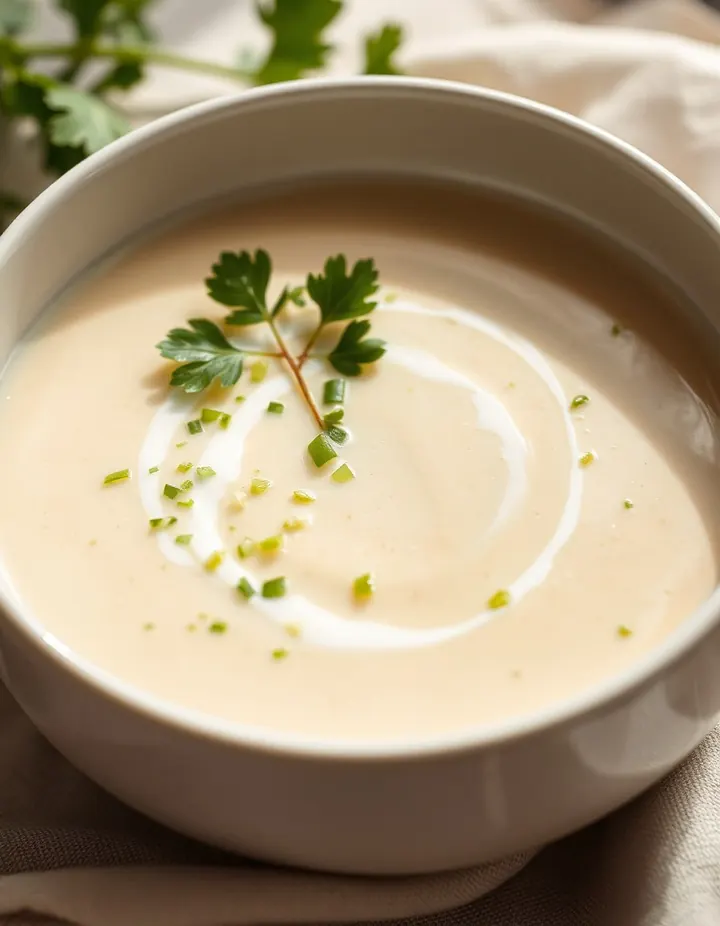 Cream of Celery Soup113 recipes
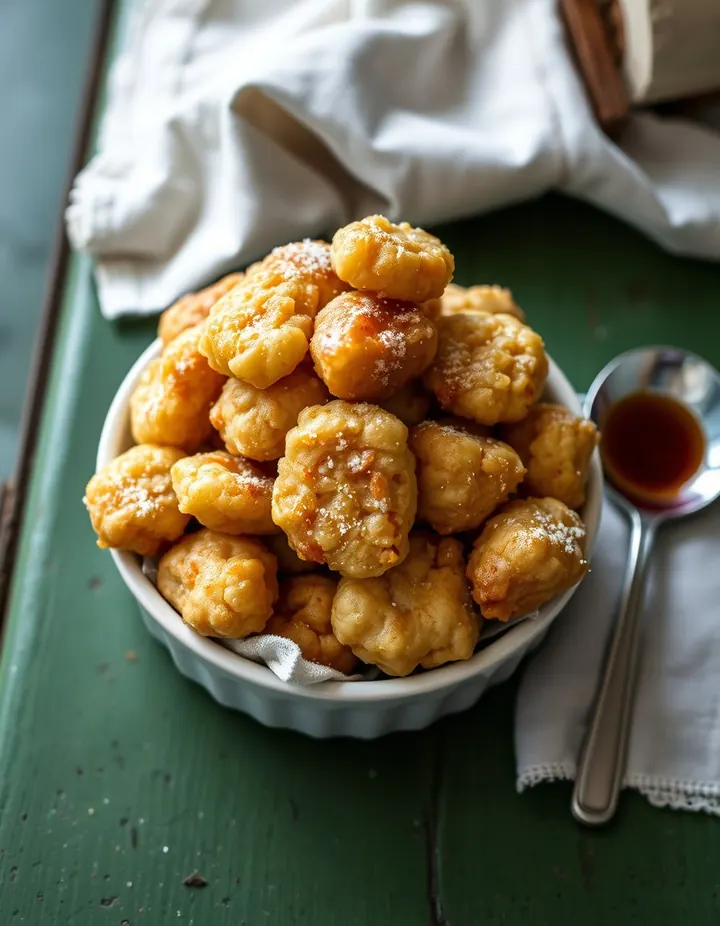 Rice Fritters84 recipes
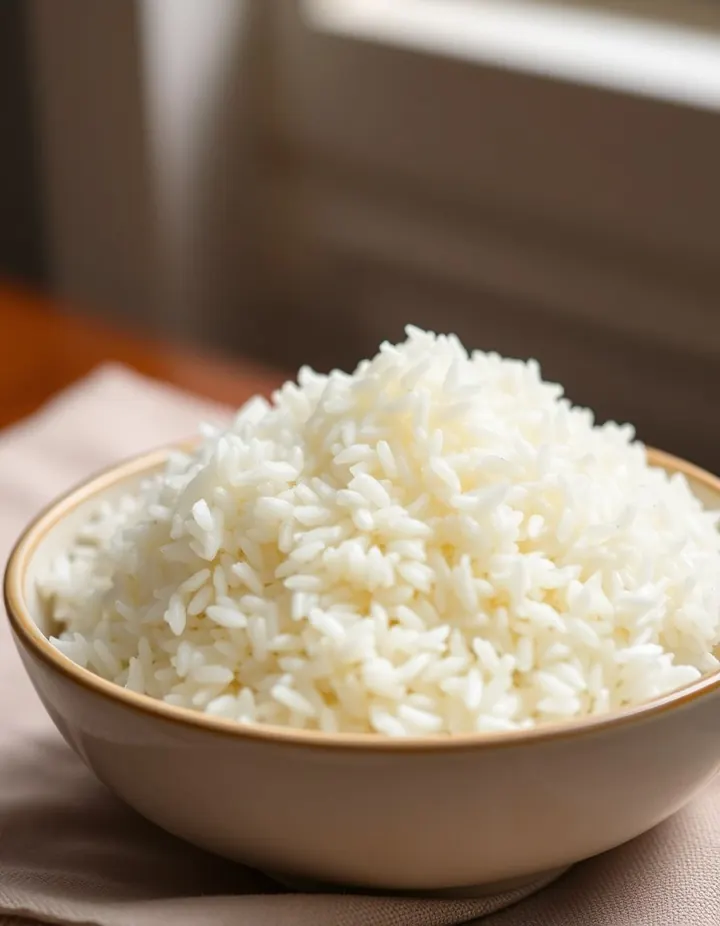 Steamed Rice48 recipes
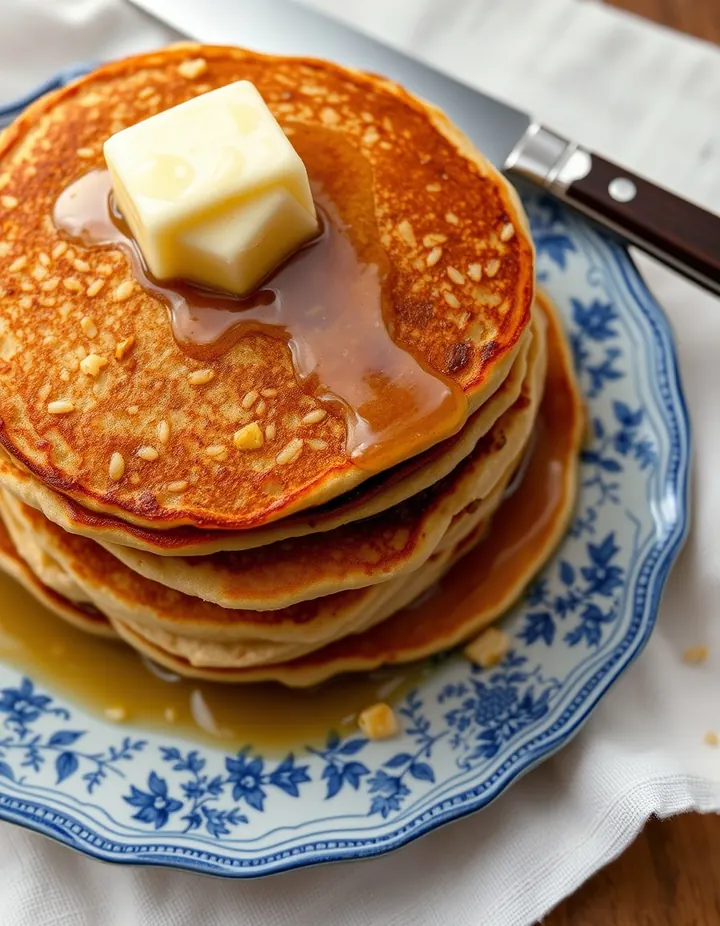 Rice Griddle Cakes28 recipes
The free Flavor Lab newsletter: one surprising pairing a week and the molecular reason it works, in 60 seconds. No spam, unsubscribe anytime.
Prefer an account? Create a free account to save pairings and unlock the full chemistry.