Why it works: Flour and milk are a kitchen classic. They rank in the top 14% of all ingredient pairs, and cooks put them together in 78,219 recipes. Both carry isobutyraldehyde, which smells malty, green. The science ↓
Nigerian Sardine Bread
Ingredients
Directions
Make the dough
Sift the flour into a clean bowl.
Add salt to taste, and mix everything together.
In another separate clean bowl, combine the warm water, sugar, yeast, and milk.
Transfer the flour mix into the yeast mix.
Stir in the sardine oil, and mix it all together to make a dough.
Transfer the dough to a clean work surface, and knead it well.
Proof and shape
Rub some soya oil in a clean bowl.
Place the dough in the greased bowl, and turn it to make sure the oil coats the dough.
Cover the dough, and proof for at least an hour until it doubles in volume.
Press on the dough to deflate it.
Knead again, and roll it out.
Place the sardines one at a time inside the dough, and roll it up to enclose the sardines.
Bake and serve
Line a baking pan with parchment paper.
Place the dough inside the baking pan and proof for at least another 20 minutes.
Bake for 45 minutes.
Cool before cutting and serving.
Nutrition, whole recipe (rough)
Counts 6 of 7 ingredients. The other 1 aren't in our nutrition table and add nothing above, so the real totals are higher.
What these numbers assume: 6 portions
| Ingredient | Portion assumed | kcal |
|---|---|---|
| Flour | 1 cup (125g) all-purpose | 455 |
| Sardine | 100g canned drained | 208 |
| Milk | 1 cup (244ml) whole | 149 |
| Olive Oil | 1 tbsp (14g) | 119 |
| Sugar | 1 tbsp (12.5g) granulated | 49 |
| Salt | 1 tsp (6g) | 0 |
| Water | not in our table | 0 |
One typical portion per ingredient; the recipe's quantities are not counted. A rough guide only, not for medical or dietary planning.
Steps grouped into stages for easier reading; the method is the source's own.
Explore the science
The flavor team
The pairs that carry this dish. Each one is judged two ways: how much their aromas overlap, and how often cooks already put them together.
-
Flour + milktop 14% of all pairsSmell alikelowCooked together78,219 recipes
Shared aroma: isobutyraldehyde (malty, green).
-
Flour + sugartop 15% of all pairsSmell alikemoderateCooked together92,116 recipes
Shared aroma: phenylacetaldehyde (hawthorne, honey).
-
Sugar + milktop 18% of all pairsSmell alikelowCooked together77,875 recipes
Shared aroma: 2-nonenal (fatty, green).
Flour and milk barely smell alike, yet cooks put them together in 78,219 recipes: they work on texture and structure more than aroma.
Ranks compare each pair with 20,000 random ingredient pairs on CompKitchen. How we score pairs
What each ingredient does
- All-purpose flour
- Provides the gluten network that gives the bread its structure and chew.
- Active dry yeast
- Produces carbon dioxide as it ferments, making the dough rise and become airy.
- Tinned sardines
- Add savory, oily richness and flavour inside the rolled dough.
- Milk
- Adds moisture, softness and a little sweetness and browning to the crumb.
- Sardine oil
- Adds fat that tenderises the dough and carries the sardine flavour.
The step that matters
Proof until the dough doubles. Yeast needs time to ferment and build gas bubbles in the gluten network. Under-proofed dough stays dense and may collapse or bake heavy, while the rise sets the final crumb.
“What each ingredient does” and “The step that matters” were written by Claude from this recipe’s own method and reviewed in samples by CompKitchen.
You might also like
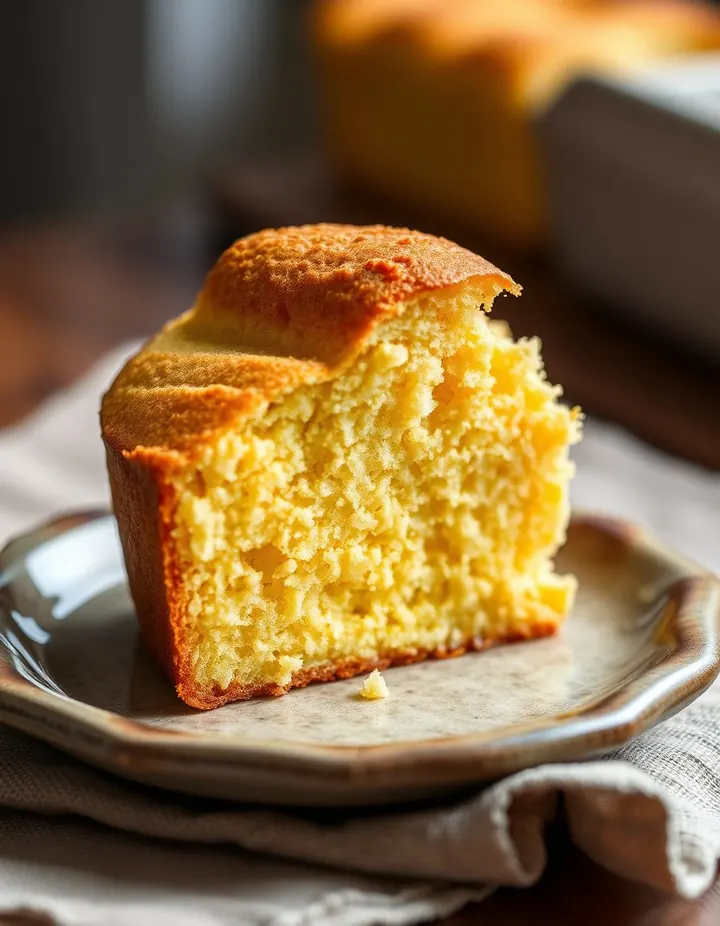 Cornbread345 recipes
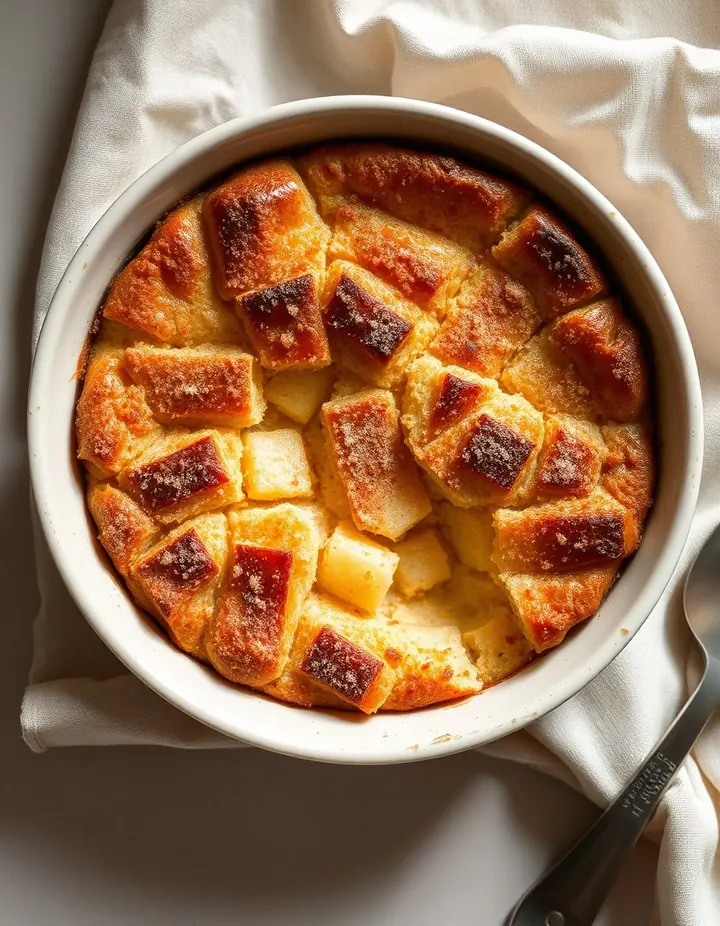 Bread Pudding336 recipes
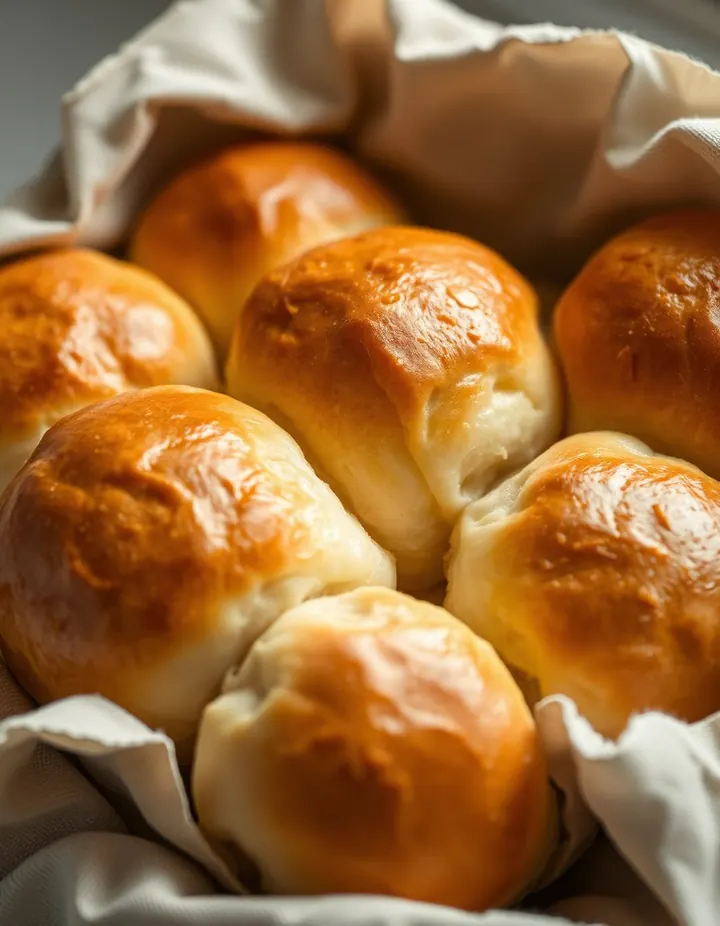 Milk Bread Rolls242 recipes
 Potato Bread124 recipes
The free Flavor Lab newsletter: one surprising pairing a week and the molecular reason it works, in 60 seconds. No spam, unsubscribe anytime.
Prefer an account? Create a free account to save pairings and unlock the full chemistry.