Why it works: Cheese and butter are a kitchen classic. They rank in the top 8% of all ingredient pairs, and cooks put them together in 7,962 recipes. Both carry delta-dodecalactone, which smells sweet, creamy. The science ↓
Pierogi II
Ingredients
Directions
Make the dough
Sift and measure flour with salt into a large bowl.
Slightly beat egg with fork, then add egg to flour mixture.
Mix in enough water to make a dough that's soft enough to roll out with a rolling pin but not so dry that it spits and cracks.
Shape the pierogi
Roll out dough on a floured bread board to about the thickness of a cracker.
Use a large rimmed glass or a big biscuit cutter to cut rounds approximately 3–4 inches in diameter.
Fill each round with a generous spoonful of filling, then fold dough in half to make a half-moon.
Pinch and seal the edge of the dough with fingers, then gently fold and pinch edge to make a ruffled edge with about ¼-inch folds.
Boil and fry
Drop each pierogi into a large pot of boiling salted water and boil until they float to the top.
Remove each carefully with a slotted spoon.
Fry the pierogi in a skillet with melted butter until golden brown.
Serve warm or cold.
Nutrition, whole recipe (rough)
Counts 5 of 7 ingredients. The other 2 aren't in our nutrition table and add nothing above, so the real totals are higher.
What these numbers assume: 5 portions
| Ingredient | Portion assumed | kcal |
|---|---|---|
| Flour | 1 cup (125g) all-purpose | 455 |
| Cheese | 1 oz (28g) cheddar | 113 |
| Butter | 1 tbsp (14g) | 102 |
| Egg | 1 large egg (50g) | 78 |
| Salt | 1 tsp (6g) | 0 |
| Water | not in our table | 0 |
| Sauerkraut | not in our table | 0 |
One typical portion per ingredient; the recipe's quantities are not counted. A rough guide only, not for medical or dietary planning.
Steps grouped into stages for easier reading; the method is the source's own.
Explore the science
The flavor team
The pairs that carry this dish. Each one is judged two ways: how much their aromas overlap, and how often cooks already put them together.
-
Cheese + buttertop 8% of all pairsSmell alikemoderateCooked together7,962 recipes
Shared aroma: delta-dodecalactone (sweet, creamy).
-
Flour + buttertop 12% of all pairsSmell alikelowCooked together124,287 recipes
Shared aroma: isobutyraldehyde (malty, green).
-
Flour + eggtop 15% of all pairsSmell alikelowCooked together106,462 recipes
Shared aroma: isobutyraldehyde (malty, green).
-
Egg + buttertop 17% of all pairsSmell alikemoderateCooked together118,967 recipes
Shared aroma: decanal (soap, orange peel).
-
Egg + cheesetop 28% of all pairsSmell alikemoderateCooked together6,253 recipes
Shared aroma: 2-nonenal (fatty, green).
Flour and butter barely smell alike, yet cooks put them together in 124,287 recipes: they work on texture and structure more than aroma.
Ranks compare each pair with 20,000 random ingredient pairs on CompKitchen. How we score pairs
What each ingredient does
- All-purpose flour
- Forms the gluten structure that gives the dough its elasticity and shape.
- Egg
- Adds richness and binds the dough, helping it hold together when rolled and filled.
- Butter
- Adds fat and flavor, and browns in the skillet for a golden crust.
The step that matters
Mixing the water into the dough. Too little water leaves the dough dry, so it spits and cracks when rolled; too much makes it sticky. Adding water gradually lets the flour hydrate evenly, giving a dough that is pliable and easy to seal.
“What each ingredient does” and “The step that matters” were written by Claude from this recipe’s own method and reviewed in samples by CompKitchen.
You might also like
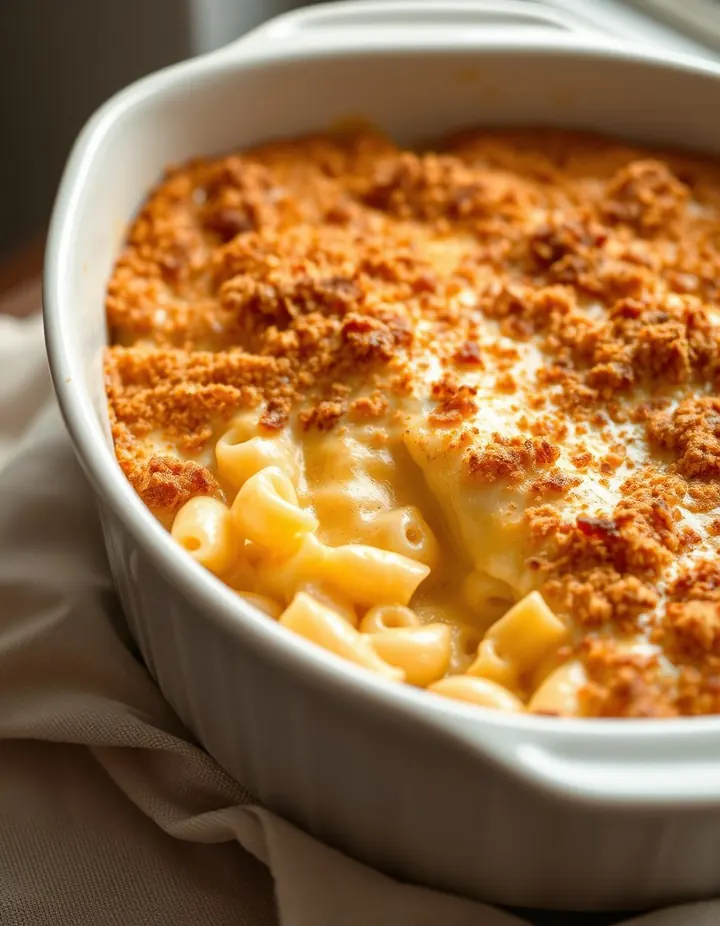 Macaroni and Cheese102 recipes
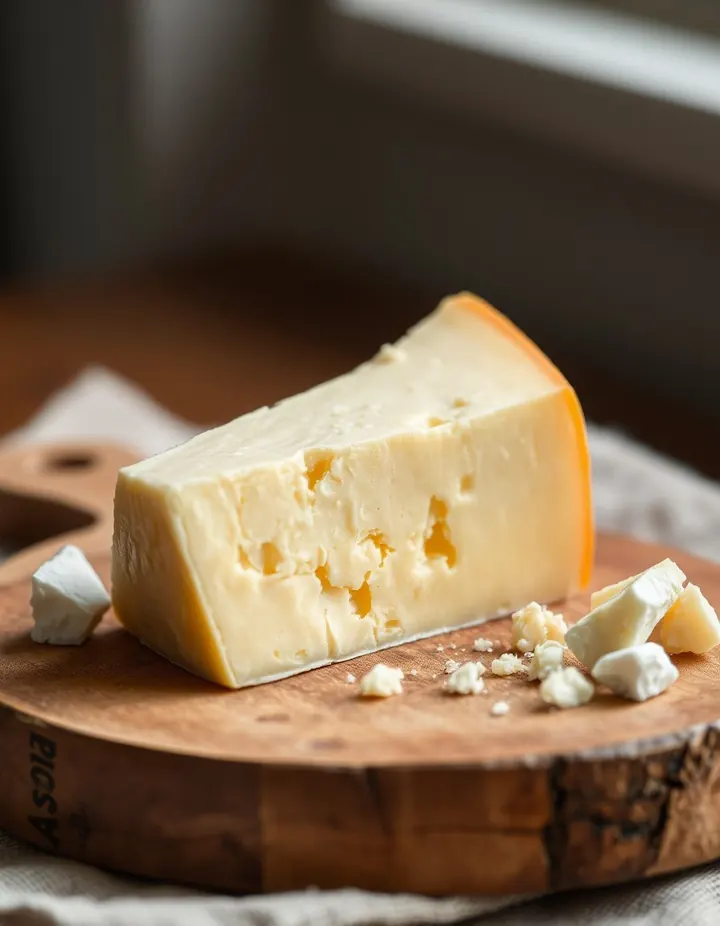 Cheese Making50 recipes
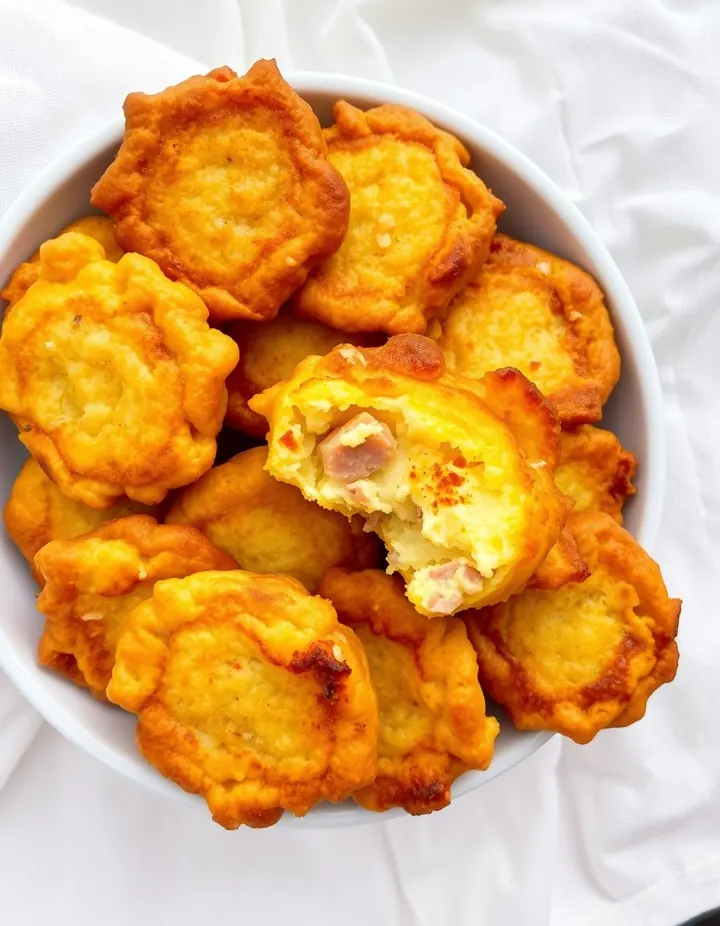 Cheese Fritters34 recipes
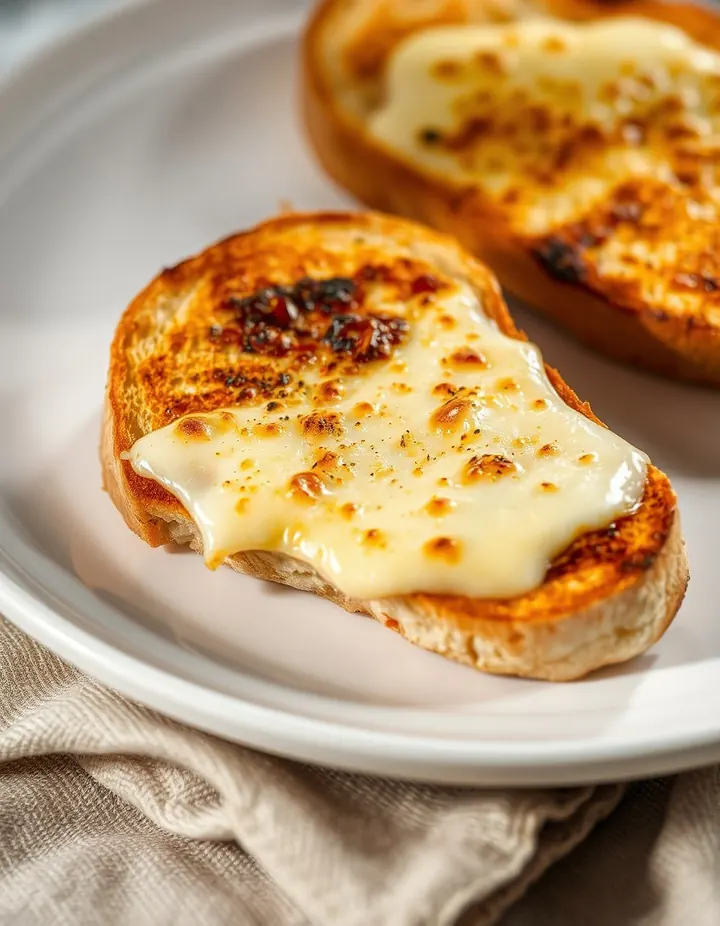 Cheese Omelette31 recipes
The free Flavor Lab newsletter: one surprising pairing a week and the molecular reason it works, in 60 seconds. No spam, unsubscribe anytime.
Prefer an account? Create a free account to save pairings and unlock the full chemistry.