Why it works: Saffron and ghee work together. They rank in the top 10% of all ingredient pairs, and 317 recipes mention both. The science ↓
The recipe
Ingredients
Contains: milk, wheat (auto-detected from the ingredients and method; we can miss things, so check labels)
Directions
Prepare the dough
Soak saffron strands in warm milk and set aside.
Sift flour and salt together, then sprinkle in sugar.
Add melted ghee and mix with fingers until evenly distributed.
Add milk a little at a time, knead the mixture into dough. When it forms a soft smooth lump, cover with a moist cloth and set aside for 2 hours.
Knead the dough again and set aside for another 2 hours.
Knead once more, then divide the dough into seven parts.
Shape and bake
Rub saffron strands into the milk to dissolve them.
Place an inverted heavy iron pan on the lower shelf of the oven, keep the grill on the upper rack, and preheat to 250 °C (480 °F).
On a floured surface, roll each piece of dough into a thick round about 6 inches in diameter; prick all over with a fork.
Slap the dough onto the hot pan base and bake until brown spots appear.
Move the sheermal to the grill with tongs, dip fingers in saffron milk and splash on the sheermal, then keep in the oven for a few more seconds.
Serve
Remove the sheermal and either serve hot immediately or wrap in a slightly moist towel.
Apply butter or ghee on top if desired, and serve with gravies, veggies, curds, pickles or jams.
Steps grouped into stages for easier reading; the method is the source's own.
Explore the science
The flavor team
The pairs that carry this dish. Each one is judged two ways: how much aroma chemistry they share, and how many recipes mention both.
-
Saffron + gheetop 10% of all pairsAroma overlaplowMentioned together317 recipes
-
Milk + flourtop 8% of all pairsAroma overlaplowMentioned together76,993 recipes
Shared aroma: isobutyraldehyde (malty, green).
-
Saffron + milktop 8% of all pairsAroma overlapmoderateMentioned together319 recipes
Shared aroma: eucalyptol (eucalyptus, herbal).
-
Milk + sugartop 9% of all pairsAroma overlaplowMentioned together77,855 recipes
Shared aroma: 2-nonenal (fatty, green).
-
Flour + sugartop 10% of all pairsAroma overlaplowMentioned together89,462 recipes
Shared aroma: phenylacetaldehyde (hawthorne, honey).
Milk and flour share little aroma chemistry, yet 76,993 recipes mention both: they likely work on texture and structure more than aroma.
Ranks compare each pair with 20,000 random ingredient pairs on CompKitchen. How we score pairs
What each ingredient does
- Plain flour
- Forms the main dough structure that holds the bread together as it bakes.
- Ghee
- Adds fat that makes the dough rich and tender and gives a buttery flavour.
- Milk
- Provides moisture to bring the flour and fat into a soft, smooth dough.
- Sugar
- Adds a little sweetness and helps the surface brown during baking.
The step that matters
Preheating the inverted pan and oven until very hot. A very hot pan base gives a quick blast of heat that sets the thin dough and produces brown spots and a light texture. A cool pan would let the bread dry out or turn tough.
Flavor stand-ins for the saffron
How well each one fits the dish's main ingredients (milk, flour, sugar, ghee):
- Cinnamonbetter flavor fit
- Turmericbetter flavor fit
- Gingerbetter flavor fit
- Saffronthe original
Fit is the average pairing score against milk, flour, sugar, ghee. Candidates are from the same food group and used in at least 100 recipes. This compares flavor only: it does not check the job the ingredient does in the dish (bulk, moisture, acidity, structure).
“What each ingredient does” and “The step that matters” were written by Claude from this recipe’s own method and reviewed in samples by CompKitchen.
You might also like
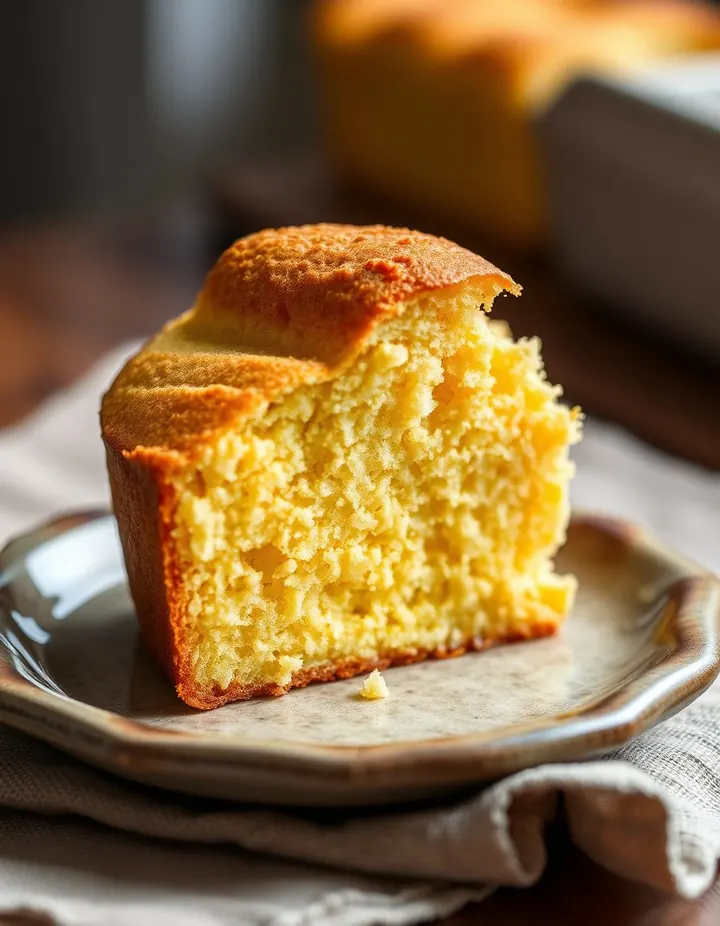 Illustration
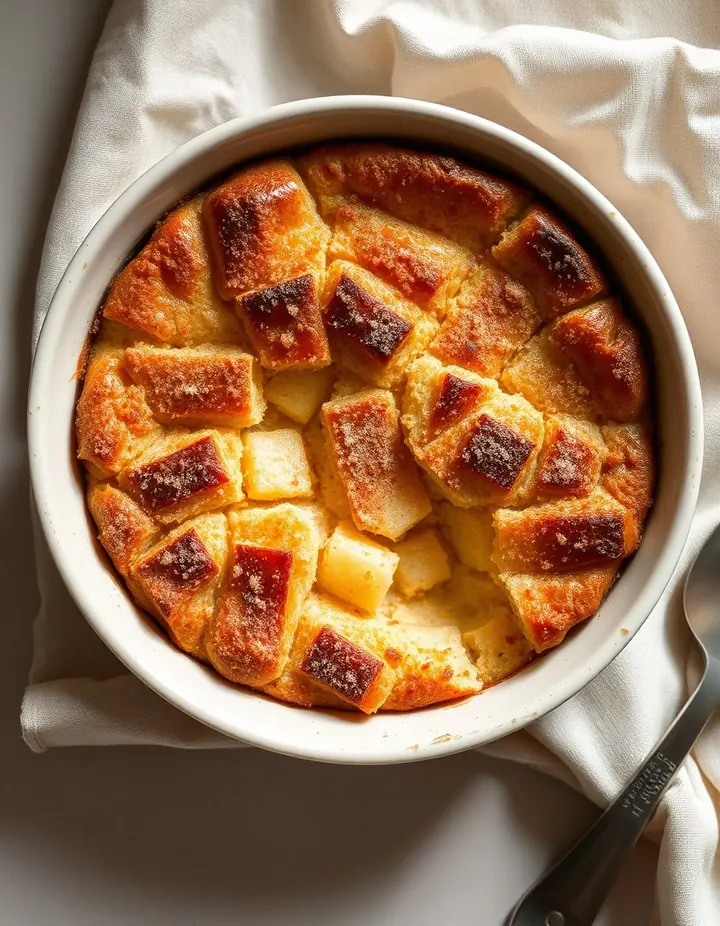 Illustration
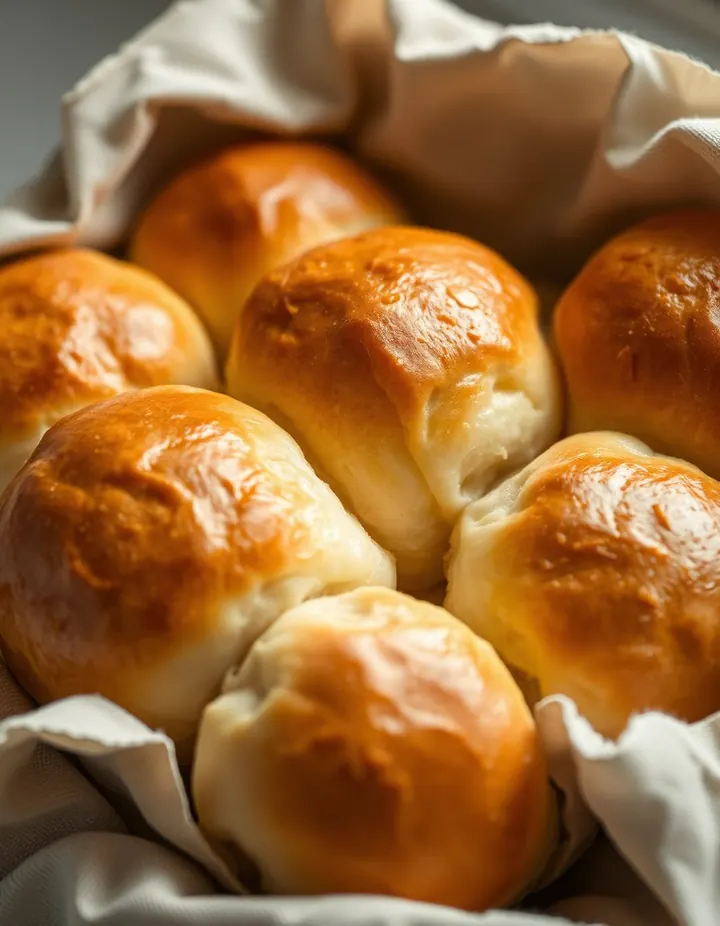 Illustration
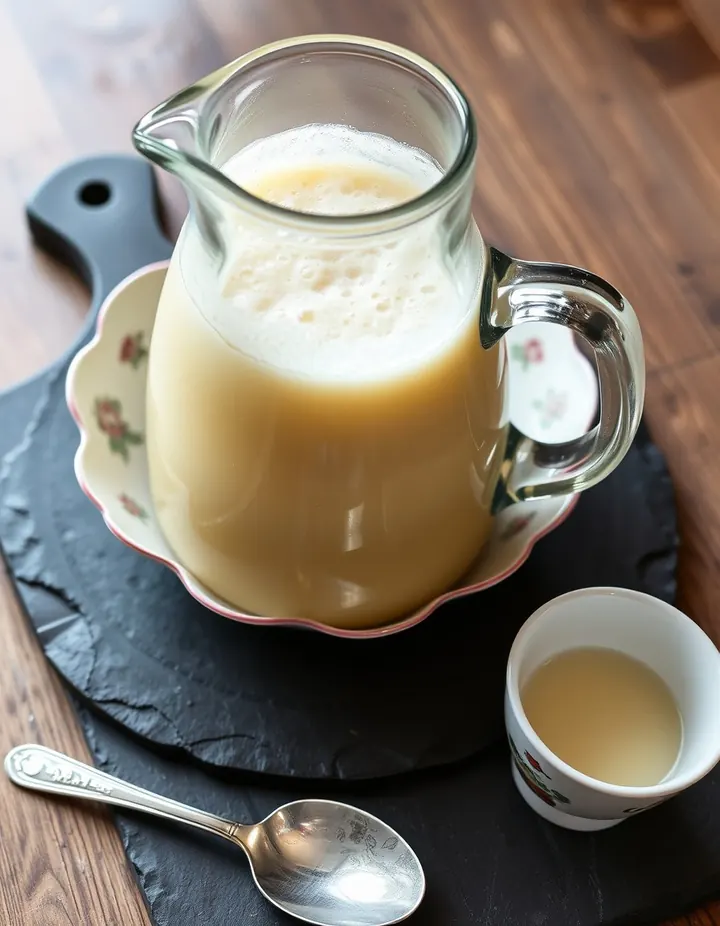 Illustration
The Sunday pairing: one pairing, the chemistry behind it, and how to cook it. No spam, unsubscribe anytime.
Prefer an account? Create a free account for sign-in; Pro adds the full results and chemistry.