Why it works: Pepper and lemon match in chemistry and in kitchens. They rank in the top 3% of all ingredient pairs, and cooks put them together in 27,047 recipes. Both carry trans-2-nonenal, which smells cardboard, fatty. The science ↓
Smoked Pork Roast
Ingredients
Directions
Brine the pork
Combine salt, honey, and vinegar in a 6-quart container.
Add ice, cover, and shake until ice is mostly melted and brine has cooled.
Add pork roast, toss to coat, and weigh down if needed.
Refrigerate 3–3.5 hours.
Take roast out of brine and rinse with cold water.
Pat dry with paper towels and set aside.
Season and smoke
Combine seasonings and sugar.
Press into all sides of meat and set aside.
Preheat smoker to 200°F with hickory chunks.
Add roast, cover, and cook until internal temperature reaches 135°F for medium rare.
Rest and serve
Remove to a plate and cover tightly with foil.
Let rest 15 minutes before serving.
Nutrition, whole recipe (rough)
Counts 8 of 9 ingredients. The other 1 aren't in our nutrition table and add nothing above, so the real totals are higher.
What these numbers assume: 8 portions
| Ingredient | Portion assumed | kcal |
|---|---|---|
| Pork | 100g cooked | 242 |
| Honey | 1 tbsp (21g) | 64 |
| Sugar | 1 tbsp (12.5g) granulated | 49 |
| Lemon | juice of 1 lemon (48ml) | 12 |
| Chili | 1 tsp (2.7g) | 8 |
| Black Pepper | 1 tsp ground (2.3g) | 6 |
| Vinegar | 1 tbsp (15ml) distilled | 3 |
| Salt | 1 tsp (6g) | 0 |
| Wood | not in our table | 0 |
One typical portion per ingredient; the recipe's quantities are not counted. A rough guide only, not for medical or dietary planning.
Steps grouped into stages for easier reading; the method is the source's own.
Explore the science
The flavor team
The pairs that carry this dish. Each one is judged two ways: how much their aromas overlap, and how often cooks already put them together.
-
Pepper + lemontop 3% of all pairsSmell alikestrongCooked together27,047 recipes
Shared aroma: trans-2-nonenal (cardboard, fatty).
-
Apple cider vinegar + honeytop 11% of all pairsSmell alikelowCooked together169 recipes
Shared aroma: ethyl octanoate (fruity).
-
Pork + apple cider vinegartop 16% of all pairsSmell alikemoderateCooked together175 recipes
Shared aroma: sotolon (curry, maple).
-
Pork + peppertop 16% of all pairsSmell alikemoderateCooked together22,121 recipes
Shared aroma: 2-isopropyl-3-methoxypyrazine (earthy, pea).
-
Lemon + honeytop 17% of all pairsSmell alikemoderateCooked together1,707 recipes
Shared aroma: decanal (soap, orange peel).
Ranks compare each pair with 20,000 random ingredient pairs on CompKitchen. How we score pairs
What each ingredient does
- Boneless pork loin roast
- Forms the main meat; its lean muscle becomes tender and juicy when cooked gently.
- Salt
- Seasons the meat and helps it hold moisture during the brine.
- Honey
- Adds sweetness and helps the crust brown during smoking.
- Apple cider vinegar
- Adds acidity to the brine, adding tang and helping flavors penetrate the meat.
- Paprika
- Adds color and mild smoky-sweet flavor to the spice coating.
- Black peppercorns
- Adds sharp aroma and pungent heat to the seasoning crust.
The step that matters
Cook to 135°F internal temperature. Pork cooked past its target temperature dries out quickly. Checking the internal temperature rather than relying on time keeps the center rosy and juicy.
Swap the lemon
How well each one fits the dish's main ingredients (pork, apple cider vinegar, pepper, sugar, honey):
- Grapefits about as well
- Mangofits about as well
- Applefits about as well
- Lemonthe original
Fit is the average pairing score against pork, apple cider vinegar, pepper, sugar, honey. Candidates are from the same food group and used in at least 100 recipes.
“What each ingredient does” and “The step that matters” were written by Claude from this recipe’s own method and reviewed in samples by CompKitchen.
You might also like
 Lemon Sauce236 recipes
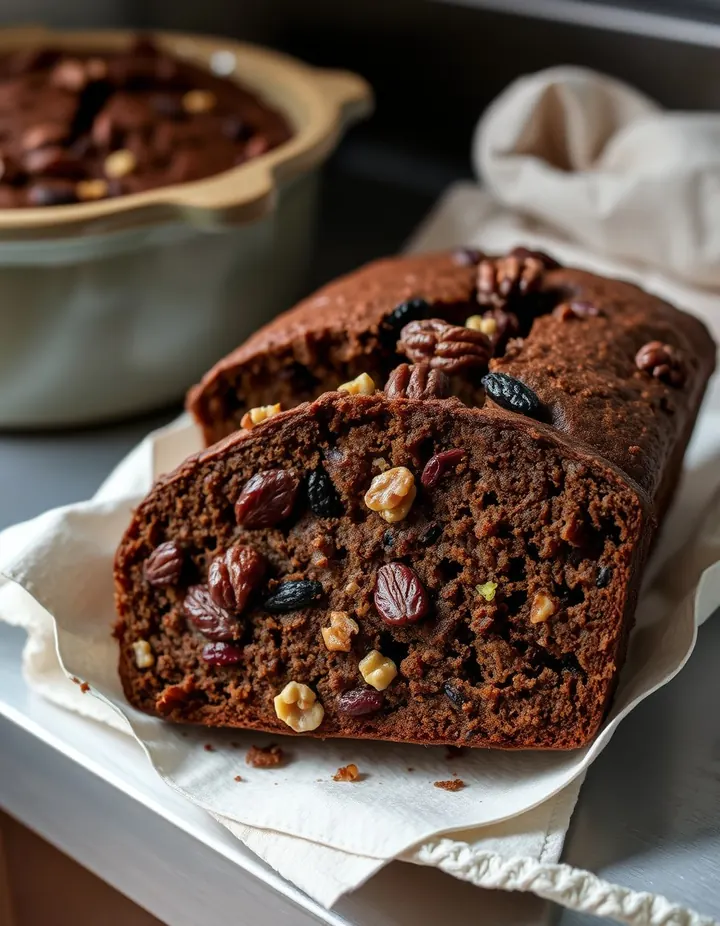 Pork Cake107 recipes
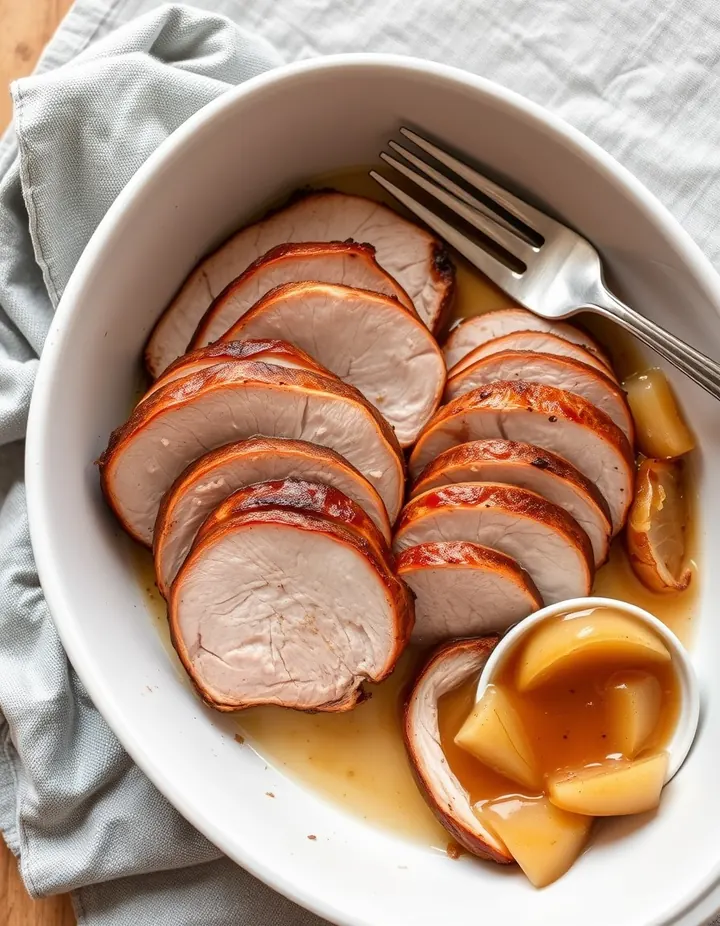 Roast Pork82 recipes
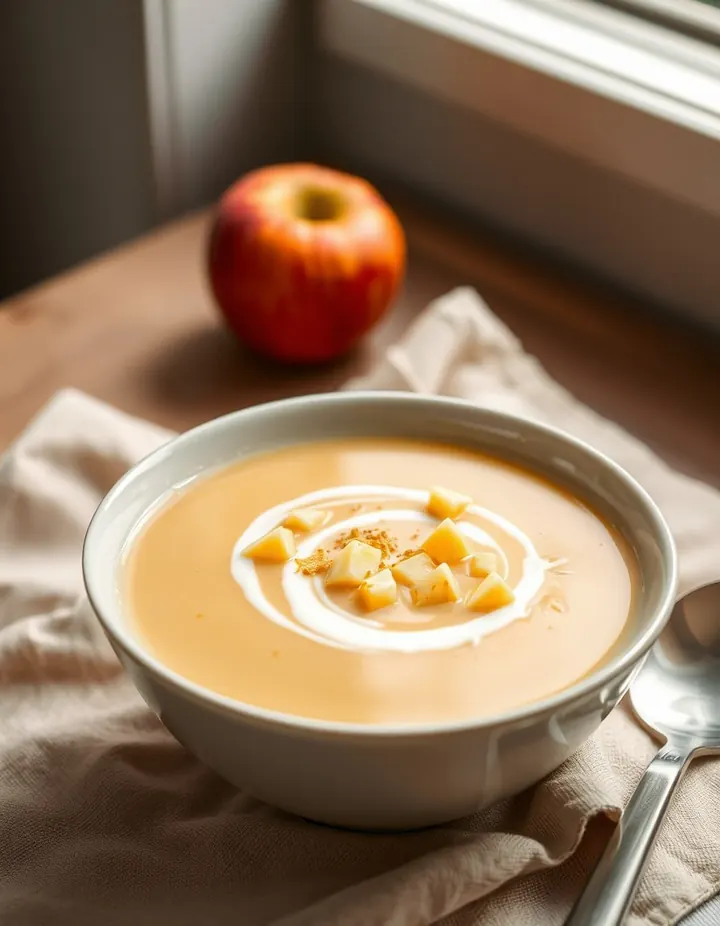 Apple Soup33 recipes
The free Flavor Lab newsletter: one surprising pairing a week and the molecular reason it works, in 60 seconds. No spam, unsubscribe anytime.
Prefer an account? Create a free account to save pairings and unlock the full chemistry.