Why it works: Tomato and celery are a kitchen classic. They rank in the top 4% of all ingredient pairs, and cooks put them together in 3,377 recipes. Both carry 4'-methylacetophenone, which smells bitter almond. The science ↓
Sprout Salad
Ingredients
Directions
Prepare the vegetables
Cut the tomatoes into chunks about 1.2 inches in diameter.
If using small tomatoes, cut each one at least once.
Remove the core and optionally the gooey parts.
Cut the celery crosswise, with 1-inch spacing near the thick base and 2-inch spacing near the narrow top.
Distribute the celery and tomato pieces evenly in the bottom of a wide bowl.
Wash the sprouts
Hold the sprouts so that they do not separate and entangle themselves, wash them under running water.
Place the sprouts into a bowl full of water.
Gently dunk them and change the water a few times, removing the seed casings without getting the sprouts all tangled up.
Drain the sprouts well.
Shake the sprouts a bit if needed.
Assemble and dress
Spread the sprouts over the tomatoes and celery, still being careful not to make a tangled mess.
Sprinkle the bacon bits over the top of the sprouts.
Use more bacon if needed.
Drizzle oil over the bacon.
Sprinkle vinegar over everything.
Nutrition, whole recipe (rough)
Counts 5 of 6 ingredients. The other 1 aren't in our nutrition table and add nothing above, so the real totals are higher.
What these numbers assume: 5 portions
| Ingredient | Portion assumed | kcal |
|---|---|---|
| Olive Oil | 1 tbsp (14g) | 119 |
| Bacon | 1 slice cooked (8g) | 43 |
| Tomato | 1 medium (123g) | 22 |
| Celery | 1 stalk (40g) | 6 |
| Vinegar | 1 tbsp (15ml) distilled | 3 |
| Alfalfa | not in our table | 0 |
One typical portion per ingredient; the recipe's quantities are not counted. A rough guide only, not for medical or dietary planning.
Steps grouped into stages for easier reading; the method is the source's own.
Explore the science
The flavor team
The pairs that carry this dish. Each one is judged two ways: how much their aromas overlap, and how often cooks already put them together.
-
Tomato + celerytop 4% of all pairsSmell alikemoderateCooked together3,377 recipes
Shared aroma: 4'-methylacetophenone (bitter almond).
-
Tomato + red winetop 8% of all pairsSmell alikemoderateCooked together806 recipes
Shared aroma: beta-damascenone (apple, rose).
-
Alfalfa + tomatotop 10% of all pairsSmell alikemoderateCooked together35 recipes
Shared aroma: 1-hepten-3-one (metal).
-
Red wine + vinegartop 10% of all pairsSmell alikemoderateCooked together575 recipes
Shared aroma: sotolon (curry, maple).
-
Alfalfa + celerytop 12% of all pairsSmell alikestrongCooked together6 recipes
Shared aroma: coumarin (sweet, hay).
Ranks compare each pair with 20,000 random ingredient pairs on CompKitchen. How we score pairs
What each ingredient does
- Alfalfa sprouts
- Provide the crisp, fresh main body and texture of the salad.
- Tomatoes
- Add juiciness and a sweet, acidic note that moistens the salad.
- Celery
- Adds crunch and a fresh, mildly vegetal bite.
- Oil
- Carries flavour and coats the greens, adding richness and moisture.
- Red wine vinegar
- Adds sharp acidity that brightens the salad and balances the oil.
- Bacon bits
- Contribute salty, smoky savoury flavour and a chewy contrast to the crisp vegetables.
The step that matters
Drain the sprouts well. Water left on the sprouts dilutes the oil and vinegar dressing and makes the salad soggy, so the dressing will not cling properly.
Swap the alfalfa
How well each one fits the dish's main ingredients (tomato, celery, red wine, vinegar):
- Thymefits better
- Tarragonfits better
- Rosemaryfits better
- Alfalfathe original
Fit is the average pairing score against tomato, celery, red wine, vinegar. Candidates are from the same food group and used in at least 100 recipes.
“What each ingredient does” and “The step that matters” were written by Claude from this recipe’s own method and reviewed in samples by CompKitchen.
You might also like
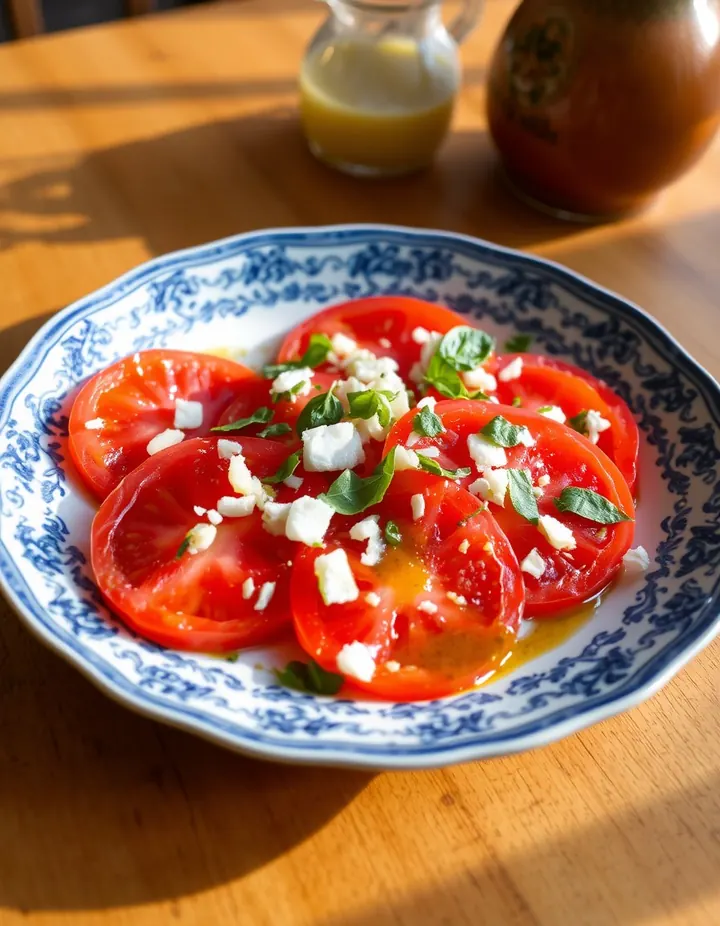 Tomato Salad179 recipes
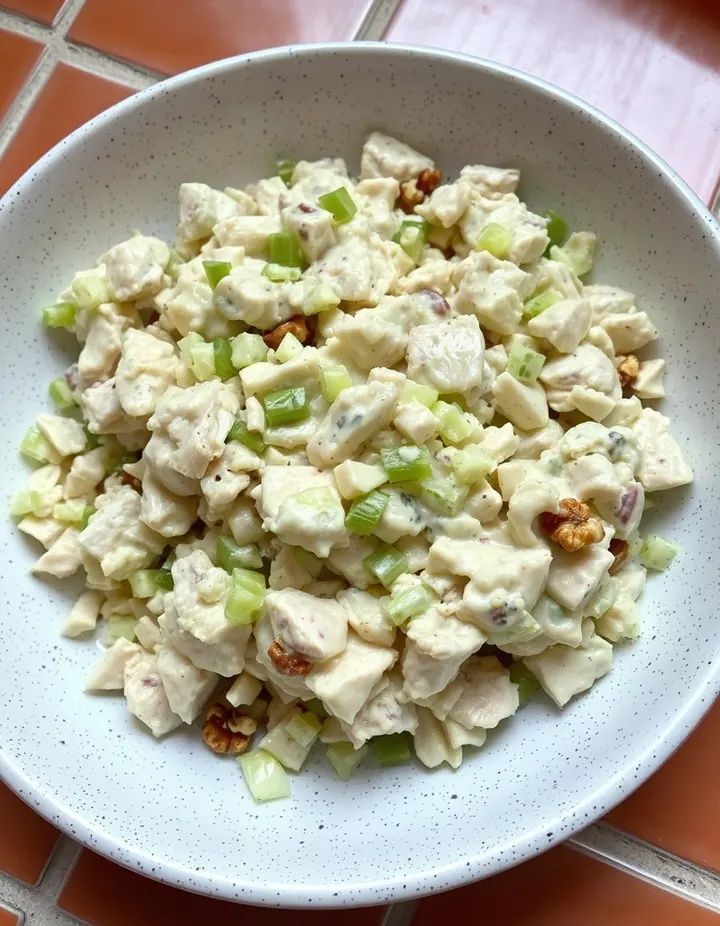 Chicken Salad623 recipes
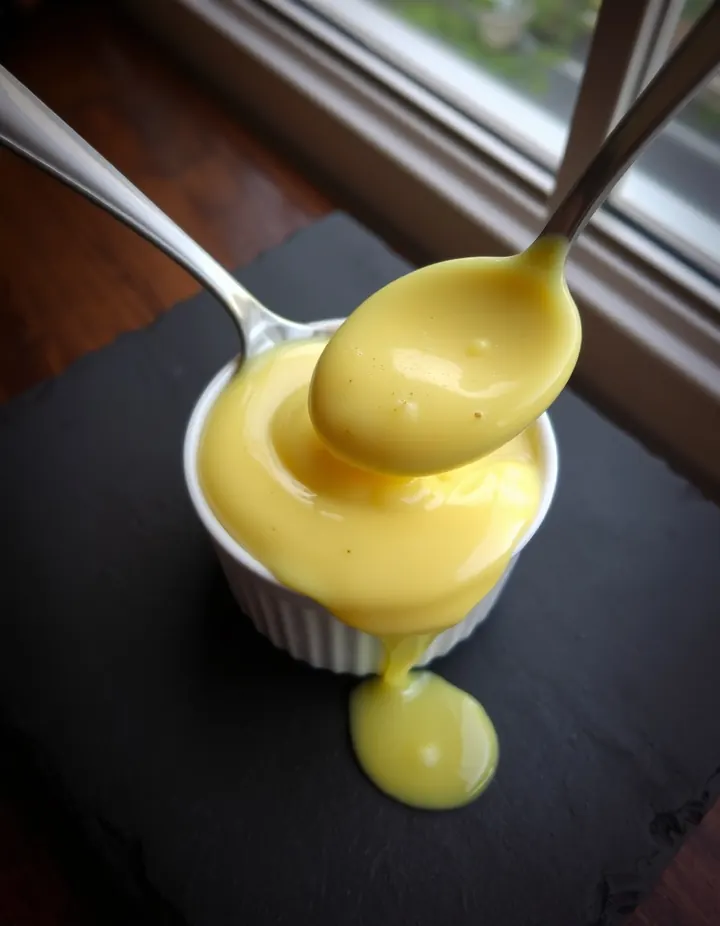 Salad Dressing491 recipes
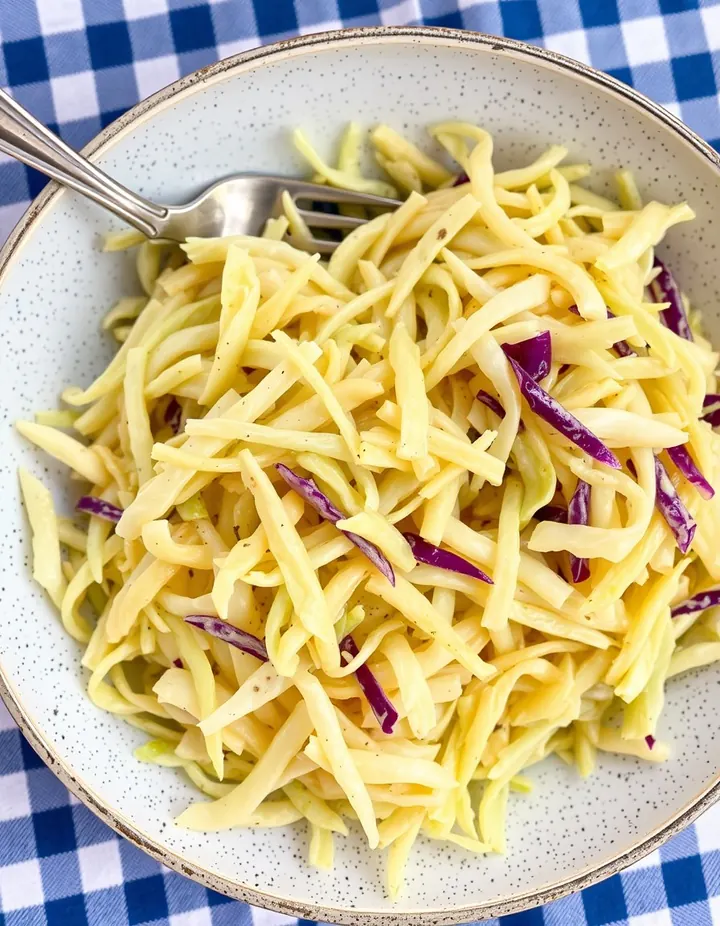 Cold Slaw160 recipes
The free Flavor Lab newsletter: one surprising pairing a week and the molecular reason it works, in 60 seconds. No spam, unsubscribe anytime.
Prefer an account? Create a free account to save pairings and unlock the full chemistry.