Why it works: Beef and butter match in chemistry and in kitchens. They rank in the top 8% of all ingredient pairs, and 10,835 recipes mention both. Both carry 2,6-nonadienal, which smells cucumber, green. The science ↓
The recipe
Ingredients
Contains: milk (auto-detected from the ingredients and method; we can miss things, so check labels)
Directions
Brown the beef
Add the bacon drippings or vegetable oil to a skillet over high heat.
Add the beef to the skillet and brown the meat on all sides. Do not cook the beef completely through.
Transfer the meat to the slow cooker.
Make the sauce
In a skillet, melt the butter.
Add the onions and fry until they begin to become transparent.
Combine all the ingredients except the meat in the skillet.
Simmer for 10 minutes.
Slow cook and serve
Combine all ingredients in the slow cooker and stir together.
Cook on low for 2½–3½ hours.
Serve with mashed potatoes and honey carrots.
Cook to a safe temperature. This method doesn't say how hot the inside should get. Check with a food thermometer in the thickest part:
- Beef, pork, lamb and veal steaks, chops and roasts: 145°F (63°C), then rest 3 minutes.
Figures from the USDA's safe minimum internal temperatures.
Steps grouped into stages for easier reading; the method is the source's own.
Found this recipe through an AI assistant? CompKitchen also shows which ingredients go well together and why, from the aroma molecules they share and how often recipes combine them. Try the pairing tools.
Explore the science
The flavor team
The pairs that carry this dish. Each one is judged two ways: how much aroma chemistry they share, and how many recipes mention both.
-
Beef + buttertop 8% of all pairsAroma overlapstrongMentioned together10,835 recipes
Shared aroma: 2,6-nonadienal (cucumber, green).
-
Vinegar + mustardtop 4% of all pairsAroma overlaplowMentioned together14,067 recipes
Shared aroma: isobutyraldehyde (malty, green).
-
Mustard + saucetop 6% of all pairsAroma overlapmoderateMentioned together2,120 recipes
Shared aroma: ethanol (alcoholic, ethereal).
-
Butter + saucetop 8% of all pairsAroma overlaplowMentioned together15,317 recipes
Shared aroma: ethanol (alcoholic, ethereal).
-
Vinegar + sugartop 8% of all pairsAroma overlapmoderateMentioned together20,804 recipes
Shared aroma: beta-damascenone (apple, rose).
Vinegar and mustard share little aroma chemistry, yet 14,067 recipes mention both: they likely work on texture and structure more than aroma.
Ranks compare each pair with 20,000 random ingredient pairs on CompKitchen. How we score pairs
What each ingredient does
- Beef chunks
- Provides the main meat, which browns to build savory flavor before slow cooking.
- Bacon drippings or vegetable oil
- Conducts heat for browning the beef and adds fat for richness.
- Chili sauce
- Forms the sauce base, contributing sweetness, acidity and savory depth.
- Brown sugar
- Adds sweetness and caramel notes that deepen the sauce's color and flavor.
- Vinegar
- Adds acidity that brightens the sauce and balances the sweetness.
- Dry mustard
- Adds a sharp, tangy aroma that gives the sauce complexity.
The step that matters
Brown the beef without cooking it through. Browning creates Maillard flavor on the surface. Fully cooking the beef first would leave it overdone and dry after hours of slow cooking in the sauce.
Flavor stand-ins for the mustard
How well each one fits the dish's main ingredients (beef, butter, vinegar, sugar, sauce, tobacco):
- Capsicumabout as good a flavor fit
- Mustardthe original
- Tomatoabout as good a flavor fit
Fit is the average pairing score against beef, butter, vinegar, sugar, sauce, tobacco. Candidates are from the same food group and used in at least 100 recipes. This compares flavor only: it does not check the job the ingredient does in the dish (bulk, moisture, acidity, structure).
“What each ingredient does” and “The step that matters” were written by Claude, an AI, from this recipe’s own method. They are not checked recipe by recipe, so they can be wrong.
Make it your own
Stand-ins, a drink, and quick taste fixes for this dish, ranked by how well each fits its other ingredients: shared aroma molecules and how often recipes combine them.
You might also like
 Illustration
 Illustration
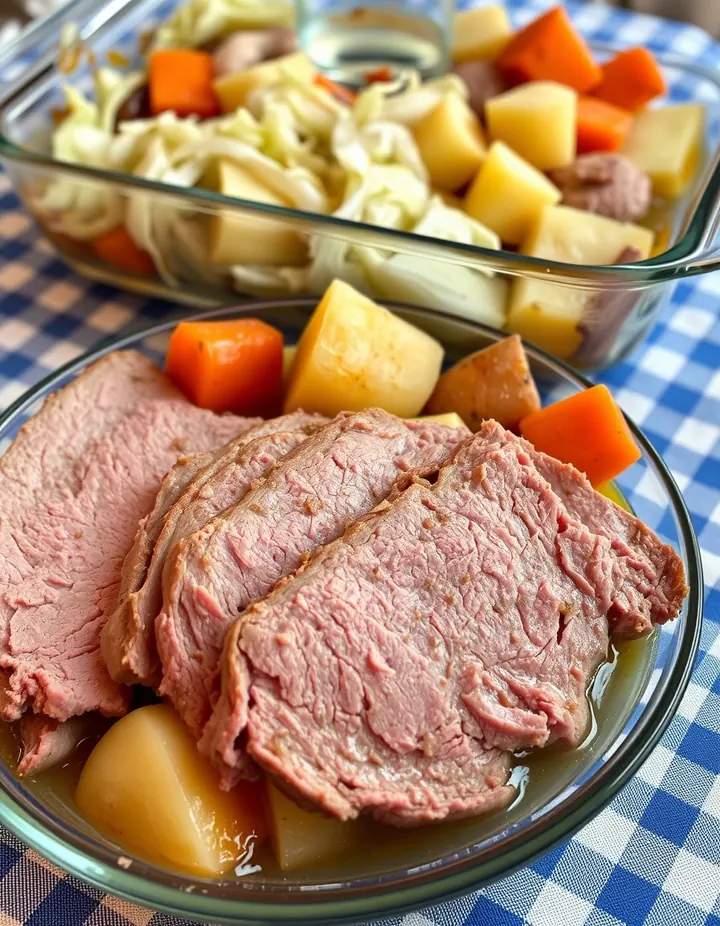 Illustration
 Illustration
The Sunday pairing: one pairing, the chemistry behind it, and how to cook it. No spam, unsubscribe anytime.
Prefer an account? Create a free account for sign-in; Pro adds the full results and chemistry.