Why it works: Sesame and soybean share more aroma than cooks usually use. They rank in the top 1% of all ingredient pairs, and cooks put them together in 44 recipes. Both carry 2-furfurylthiol, which smells coffee, roasted. The science ↓
Tri-Colored Autumn Rice Balls
Serves 6Ingredients
Directions
Prepare
Mix sesame seeds and sugar in a small bowl.
Moisten your hands with water.
Divide warm rice into 12 equal portions.
Shape 4 portions into balls.
Moisten a clean dish towel and squeeze it dry.
Make the bean paste rice balls
Place 2½ tablespoons bean paste on towel and pat into a 4-inch circle. Place 1 rice ball in the centre of the bean paste circle. Use towel to mould bean paste around the rice ball.
Repeat the previous steps 3 more times.
Use another ½ cup of bean paste and the other 3 rice balls.
Place these on a nice serving tray.
Make the stuffed rice ovals and serve
Flatten the remaining eight rice portions.
Form the remaining bean paste into 8 balls (about 2 teaspoons per ball). Place a bean paste ball in the centre of each piece of flattened rice and shape the rice around it.
Mould these stuffed rice balls into oval shapes.
Roll 4 ovals in the sesame-sugar mixture. Roll the other 4 balls in the roasted soybean powder.
Add these to the serving tray.
Nutrition, whole recipe (rough)
Counts 3 of 6 ingredients. The other 3 aren't in our nutrition table and add nothing above, so the real totals are higher.
What these numbers assume: 3 portions
| Ingredient | Portion assumed | kcal |
|---|---|---|
| Rice | 1 cup cooked (158g) white | 206 |
| Pecans | 1 oz (28g / ~19 halves) | 196 |
| Sugar | 1 tbsp (12.5g) granulated | 49 |
| Black Sesame Seed | not in our table | 0 |
| Bean | not in our table | 0 |
| Soybean | not in our table | 0 |
One typical portion per ingredient; the recipe's quantities are not counted. A rough guide only, not for medical or dietary planning.
Steps grouped into stages for easier reading; the method is the source's own.
Explore the science
The flavor team
The pairs that carry this dish. Each one is judged two ways: how much their aromas overlap, and how often cooks already put them together.
-
Sesame + soybeantop 1% of all pairsSmell alikestrongCooked together44 recipes
Shared aroma: 2-furfurylthiol (coffee, roasted).
-
Rice + sesametop 3% of all pairsSmell alikestrongCooked together984 recipes
Shared aroma: trans-2-nonenal (cardboard, fatty).
-
Rice + soybeantop 7% of all pairsSmell alikestrongCooked together41 recipes
Shared aroma: 2-acetyl-1-pyrroline (popcorn, roasted).
-
Sesame + sugartop 24% of all pairsSmell alikemoderateCooked together1,644 recipes
Shared aroma: guaiacol (smoky, sweet).
-
Rice + sugartop 26% of all pairsSmell alikelowCooked together8,744 recipes
Shared aroma: 2-nonenal (fatty, green).
Ranks compare each pair with 20,000 random ingredient pairs on CompKitchen. How we score pairs
What each ingredient does
- Sweet rice
- Forms the chewy, sticky mochi wrapper that holds the filling together.
- Bean paste
- Provides sweetness and a smooth, moist filling inside the rice.
- Black sesame seeds
- Adds a toasted, nutty aroma and a crisp coating on the outside.
- Roasted soybean powder
- Adds a toasted, nutty flavour and a dry coating that stops the rice sticking.
The step that matters
Moulding the rice around the bean paste. Sweet rice turns sticky and firm as it cools, so shaping it while still warm keeps the wrapper soft and stops it cracking or tearing over the filling. Moistened hands and towel keep the rice from sticking to you.
Swap the soybean
How well each one fits the dish's main ingredients (rice, sesame, sugar):
- Mung beanfits better
- Peanutfits better
- Cashew nutfits better
- Soybeanthe original
Fit is the average pairing score against rice, sesame, sugar. Candidates are from the same food group and used in at least 100 recipes.
“What each ingredient does” and “The step that matters” were written by Claude from this recipe’s own method and reviewed in samples by CompKitchen.
You might also like
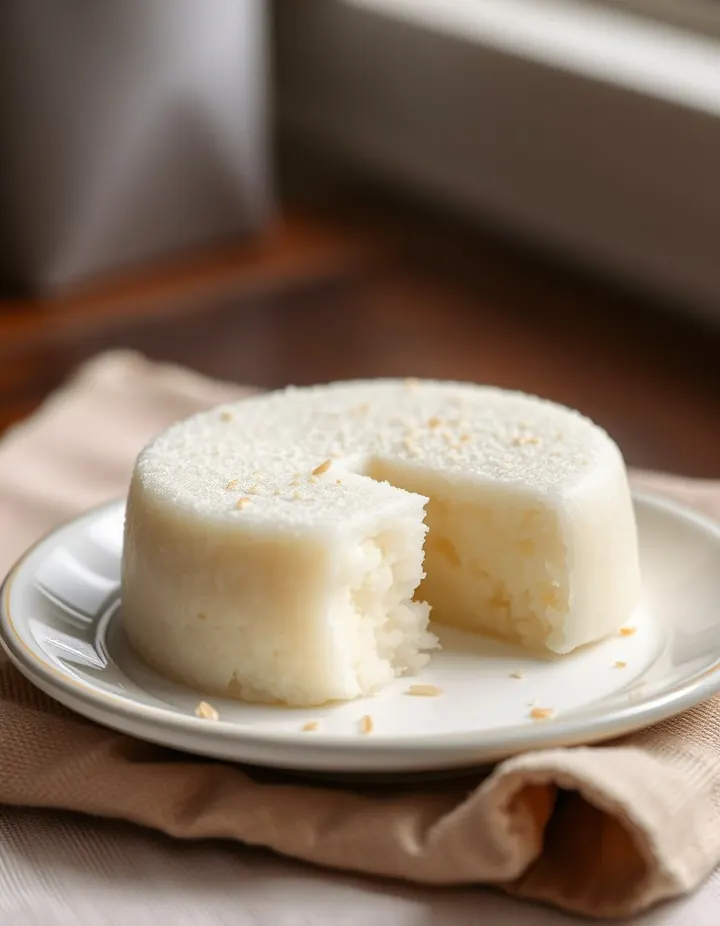 Rice Cake120 recipes
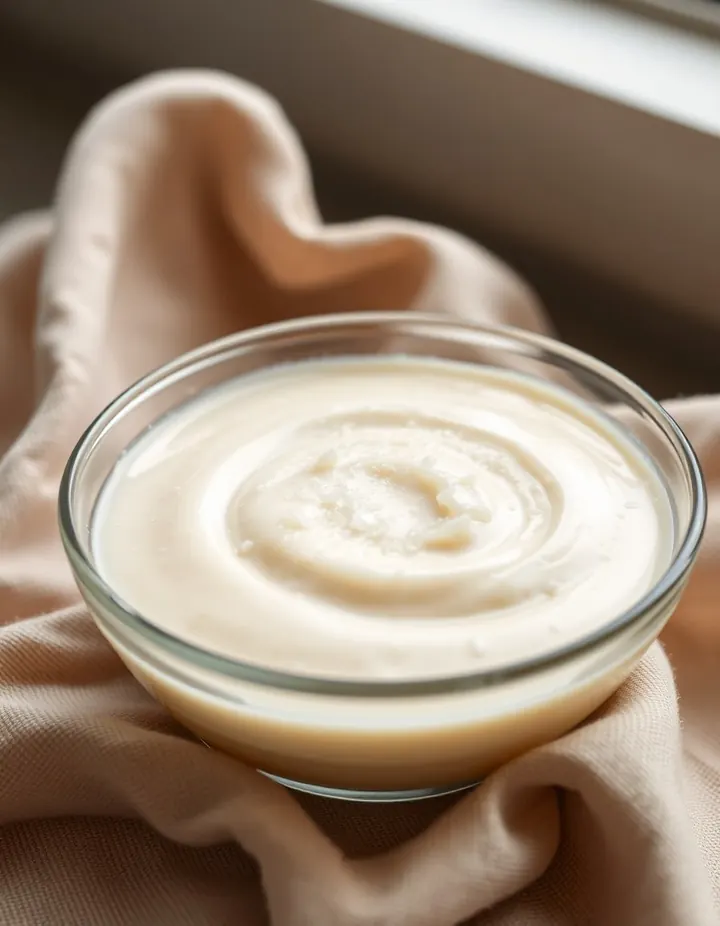 Rice Cream43 recipes
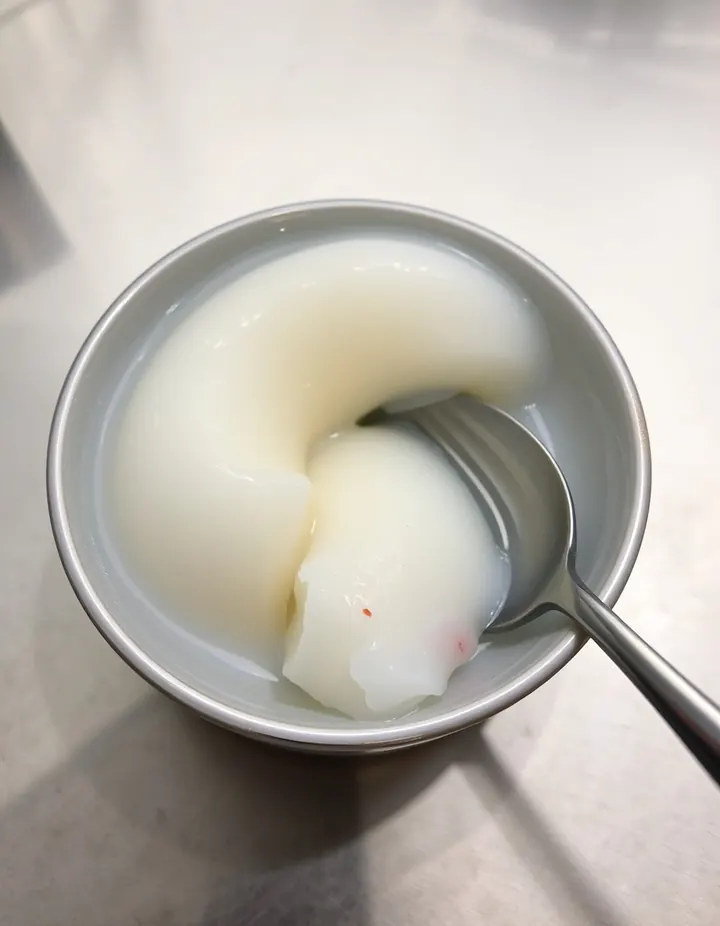 Rice Jelly42 recipes
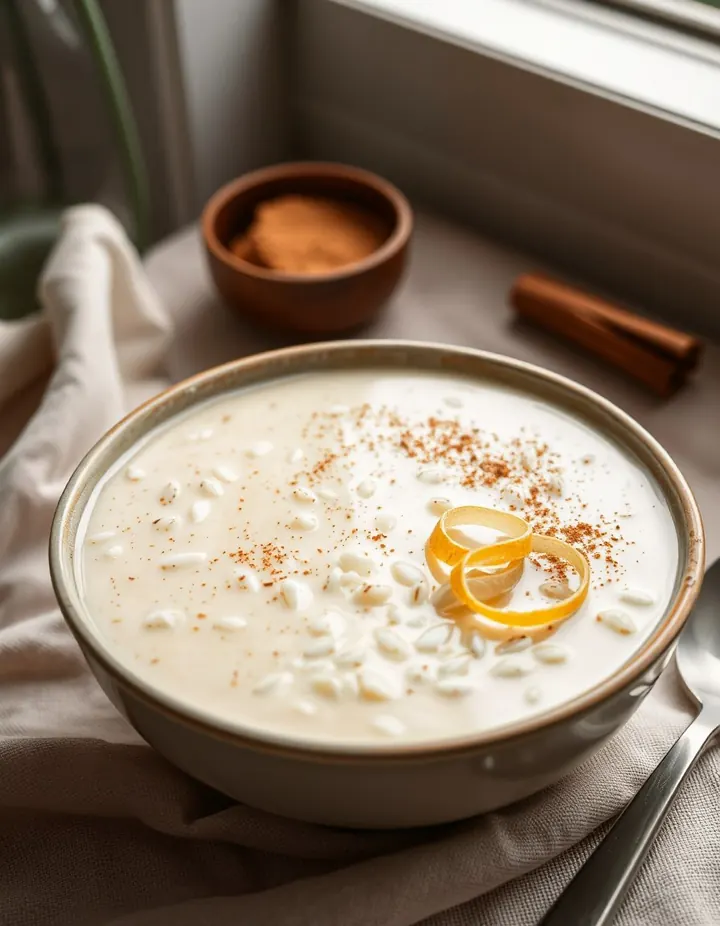 Rice Pudding22 recipes
The free Flavor Lab newsletter: one surprising pairing a week and the molecular reason it works, in 60 seconds. No spam, unsubscribe anytime.
Prefer an account? Create a free account to save pairings and unlock the full chemistry.