Why it works: Sugar and butter are a kitchen classic. They rank in the top 17% of all ingredient pairs, and 98,233 recipes mention both. Both carry guaiacol, which smells smoky, sweet. The science ↓
Hubbard Squash En Casserole
Ingredients
Directions
Prepare
Pare the vegetable.
Cut the vegetable into small cubes.
Place the cubes in a buttered casserole with a quarter cupful of sugar and half a tablespoonful of salt.
Bake
Cover and bake three hours, or less if the vegetable is tender.
Finish and serve
When done, add a tablespoonful of butter and return to the oven until melted.
Whip with a fork until fine and light, adding enough hot cream to moisten.
Serve in the casserole.
Transcribed from a scanned cookbook and modernised for today's kitchens. Where the book gave no heat or time, or said "a moderate oven", the temperatures and times here may be modern equivalents rather than the book's own figures. See the original page.
Explore the science
The flavor team
The pairs that carry this dish. Each one is judged two ways: how much aroma chemistry they share, and how many recipes mention both.
-
Sugar + buttertop 17% of all pairsAroma overlapmoderateMentioned together98,233 recipes
Shared aroma: guaiacol (smoky, sweet).
Ranks compare each pair with 20,000 random ingredient pairs on CompKitchen. How we score pairs
What each ingredient does
- Hubbard squash (in the method)
- Forms the bulk of the dish and, once softened, gives it a moist, tender body.
- Sugar
- Adds sweetness and helps the squash taste rich and well rounded.
- Butter
- Adds fat for richness and a smooth, silky mouthfeel.
The step that matters
Bake until tender. The squash must cook until its starches are fully softened, because firm pieces will not whip into a smooth, light texture. Check tenderness rather than relying only on the set time.
“What each ingredient does” and “The step that matters” were written by Claude from this recipe’s own method and reviewed in samples by CompKitchen.
You might also like
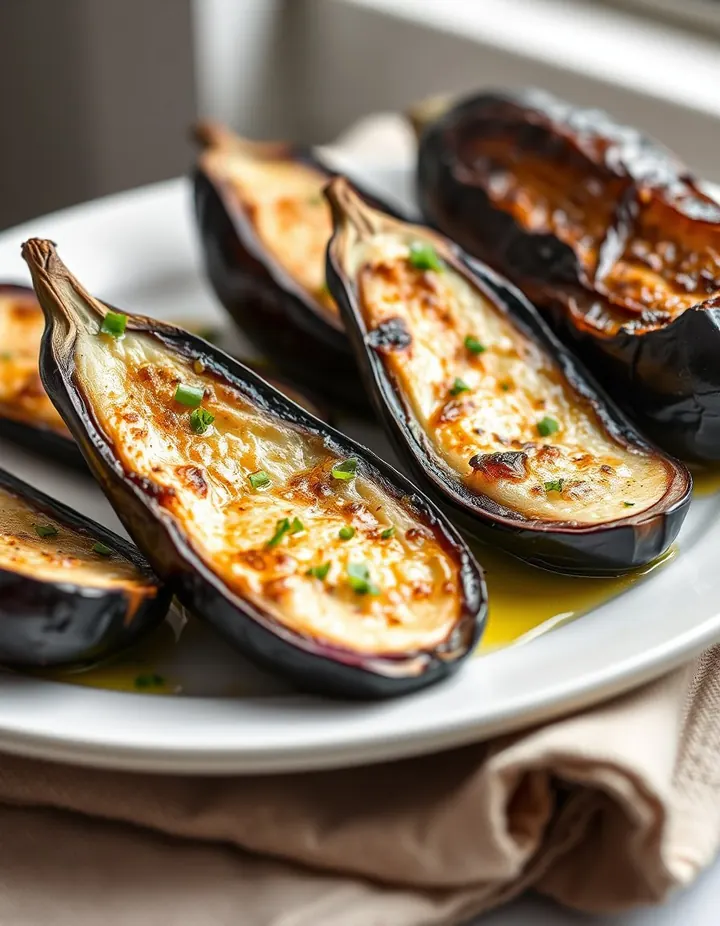 Eggplant Cakes34 recipes
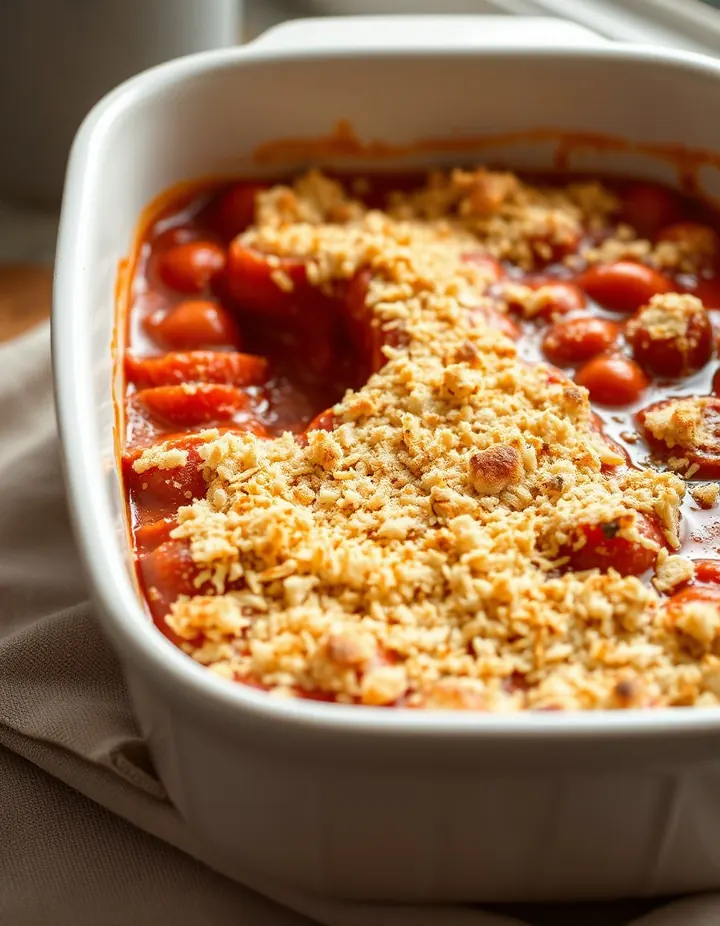 Escalloped Tomatoes (Scalloped Tomatoes)25 recipes
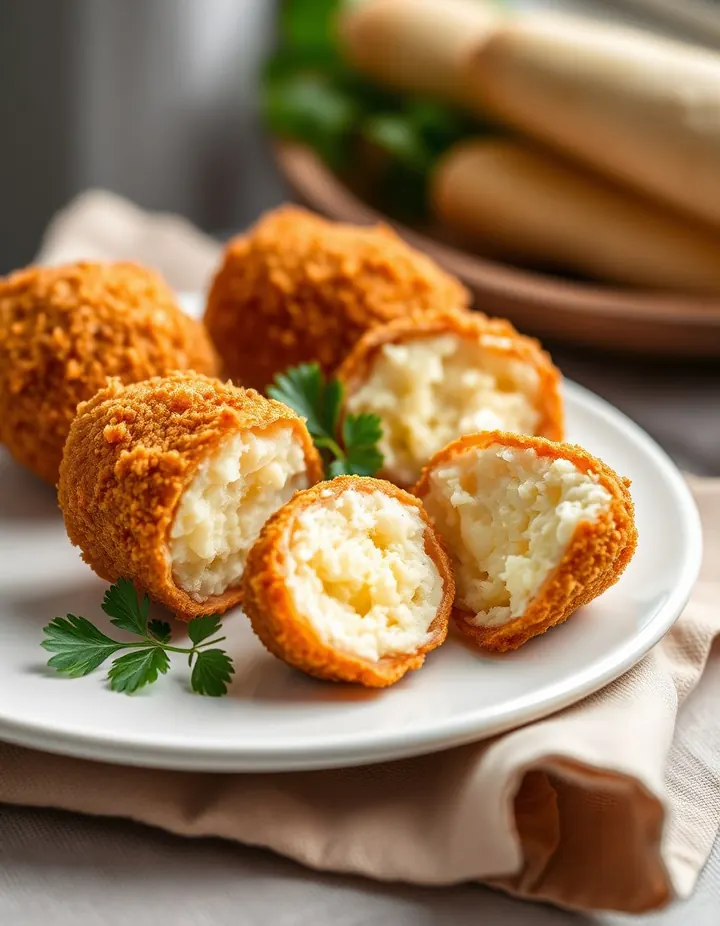 Parsnip Croquettes12 recipes
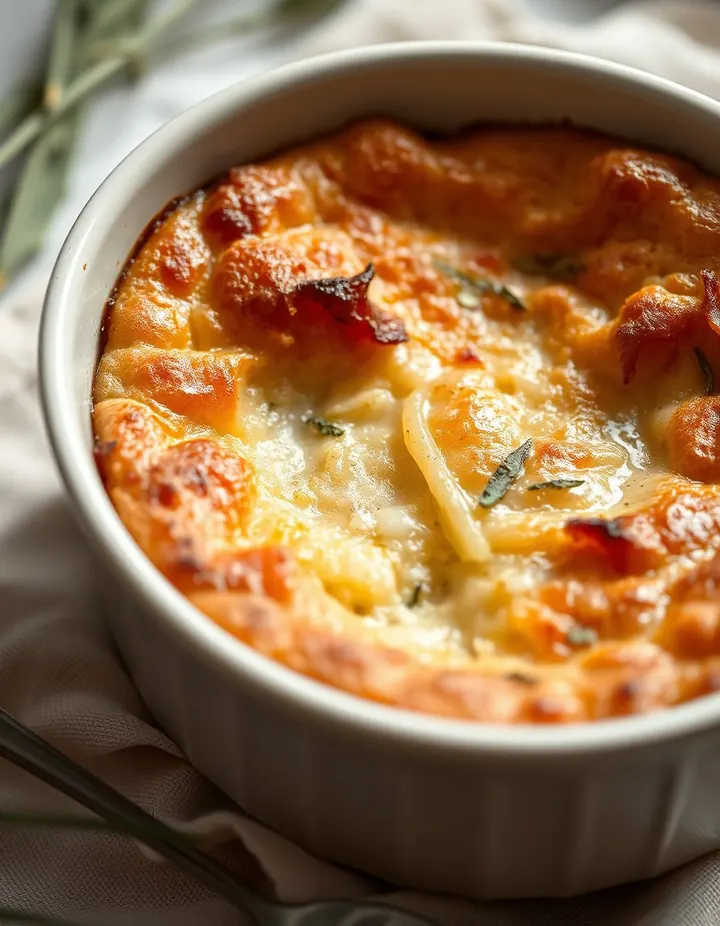 Onion Pudding9 recipes
The Sunday pairing: one pairing, the chemistry behind it, and how to cook it. No spam, unsubscribe anytime.
Prefer an account? Create a free account for sign-in; Pro adds the full results and chemistry.