Salt Rising Bread
Ingredients
Directions
Make the starter
Scald one-third cup cornmeal with one pint milk just brought to boiling point.
Cover closely and let stand overnight.
In the morning add one quart warm water.
Add one teaspoon salt, one tablespoon sugar, and flour enough to make stiff batter.
Beat thoroughly and keep warm until light.
Make and shape the dough
Add a little warm water, one tablespoon salt, one tablespoon sugar, one tablespoon lard, and enough flour to make moderately stiff dough.
Knead ten minutes, mold into loaves and put into greased pans.
Keep in warm place until double its size.
Bake
Bake in moderate oven one hour, increasing heat the last twenty minutes.
Nutrition, whole recipe (rough)
Counts 3 of 4 ingredients. The other 1 aren't in our nutrition table and add nothing above, so the real totals are higher.
What these numbers assume: 3 portions
| Ingredient | Portion assumed | kcal |
|---|---|---|
| Lard | 1 tbsp (12.8g) | 115 |
| Sugar | 1 tbsp (12.5g) granulated | 49 |
| Salt | 1 tsp (6g) | 0 |
| Water | not in our table | 0 |
One typical portion per ingredient; the recipe's quantities are not counted. A rough guide only, not for medical or dietary planning.
Transcribed from a scanned cookbook and modernised for today's kitchens. Where the book gave no heat or time, or said "a moderate oven", the temperatures and times here may be modern equivalents rather than the book's own figures. See the original page.
Explore the science
What each ingredient does
- Cornmeal
- Scalded and left overnight to ferment, it forms the starter that leavens the bread.
- Lard
- Adds fat, which tenderizes the crumb and softens the texture.
- Sugar
- Feeds the fermentation and adds a little sweetness and browning.
The step that matters
Keep the starter warm until light. The starter must be kept warm so the fermentation can develop; if it is cold, it will not rise and the bread will lack lift.
“What each ingredient does” and “The step that matters” were written by Claude from this recipe’s own method and reviewed in samples by CompKitchen.
You might also like
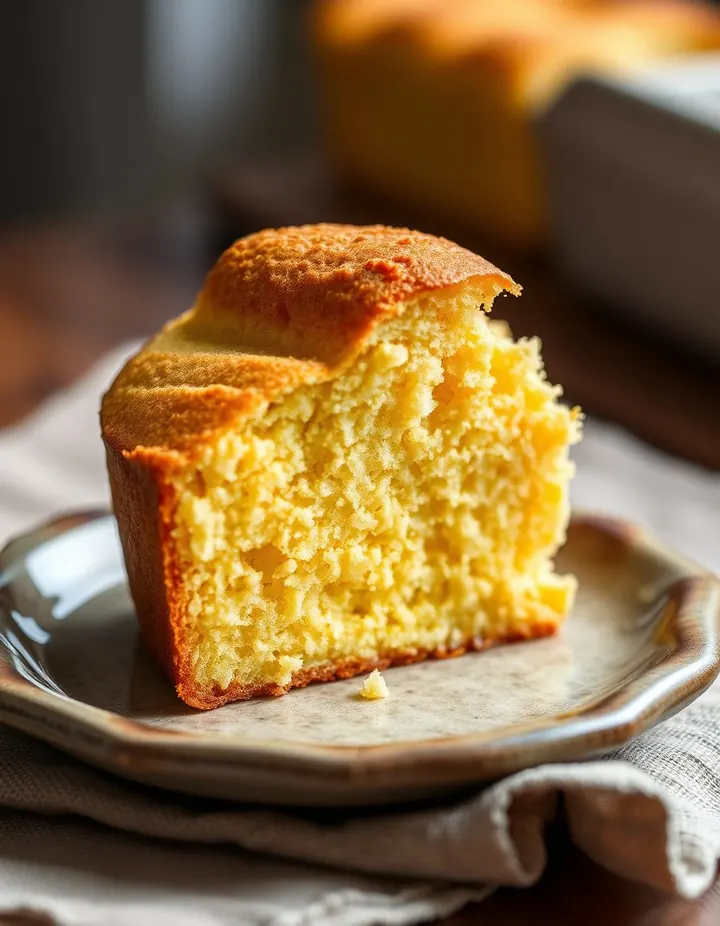 Cornbread345 recipes
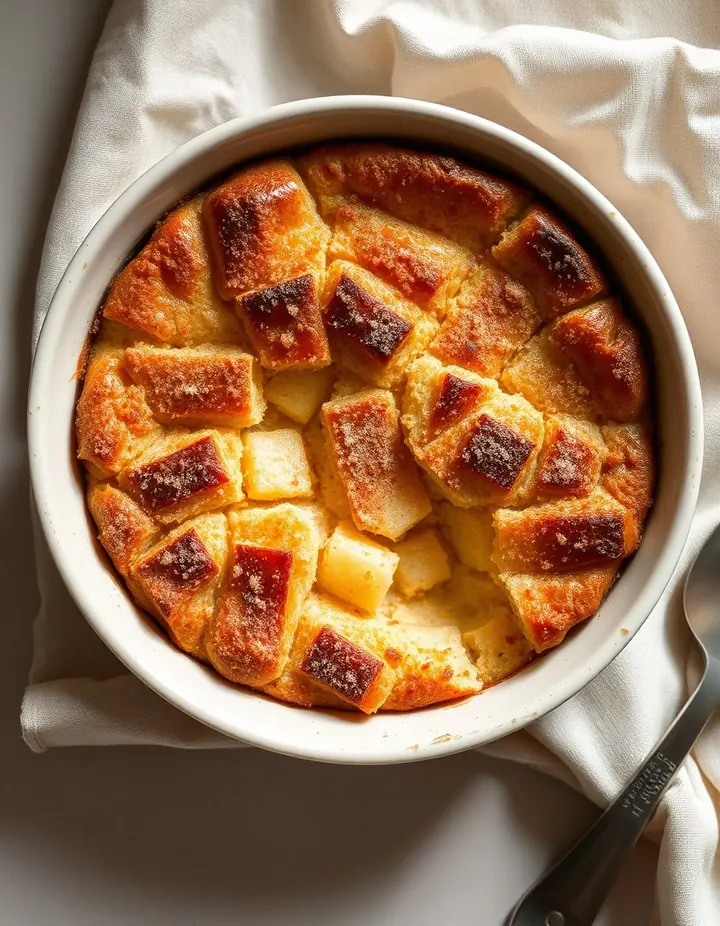 Bread Pudding336 recipes
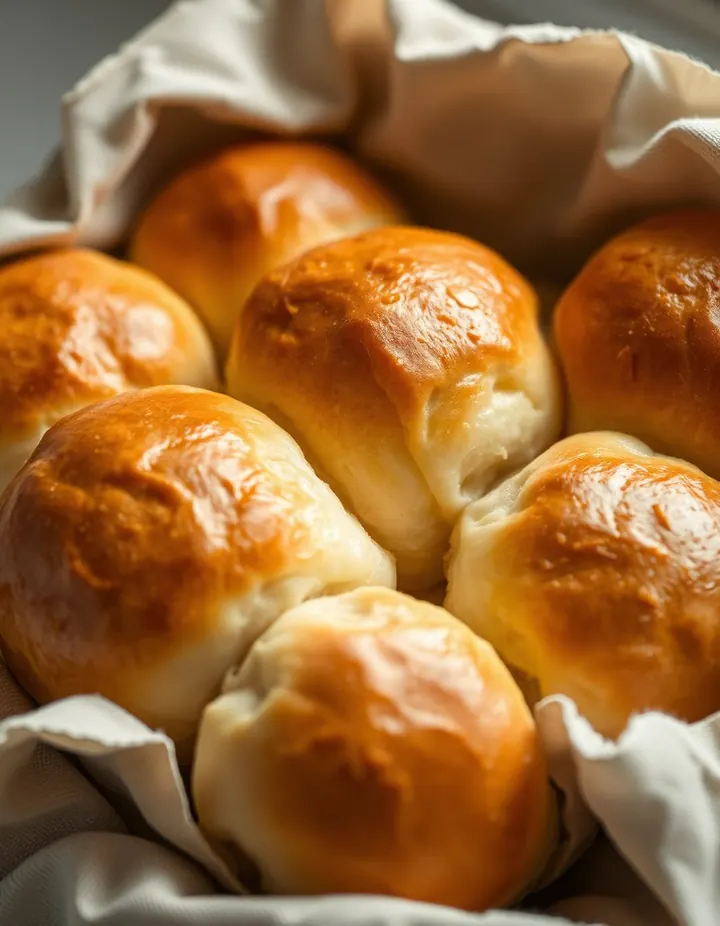 Milk Bread Rolls242 recipes
 Potato Bread124 recipes
The free Flavor Lab newsletter: one surprising pairing a week and the molecular reason it works, in 60 seconds. No spam, unsubscribe anytime.
Prefer an account? Create a free account to save pairings and unlock the full chemistry.