Why it works: Horseradish and vinegar are a kitchen classic. They rank in the top 12% of all ingredient pairs, and cooks put them together in 2,609 recipes. Both carry isobutyraldehyde, which smells malty, green. The science ↓
Vinegar Pickled Pigs Tongues
Ingredients
Directions
Prepare the tongues
Take salted pig tongues cured for 30 days, scald them in hot water, then remove the skin and gullet.
Boil slowly for three hours, as with pig feet; the slower they are boiled the better.
Cool the tongues in the same manner as cooling pig feet.
(Alternative) Take tongues out of the brine, cook them, then remove the skin and gullet after cooking; this method is less effective for large quantities.
Pack and pickle
Split the tongues through the center and pack them in vinegar, as with pig feet, adding 8 to 10 ounces of Zanzibar-Brand Pickled Tongue Seasoning per 100 lbs of tongues.
Prepare horseradish: To ten parts grated horseradish add one part granulated sugar and one part pure vinegar; use white wine vinegar.
Nutrition, whole recipe (rough)
Counts 2 of 3 ingredients. The other 1 aren't in our nutrition table and add nothing above, so the real totals are higher.
What these numbers assume: 2 portions
| Ingredient | Portion assumed | kcal |
|---|---|---|
| Sugar | 1 tbsp (12.5g) granulated | 49 |
| Vinegar | 1 tbsp (15ml) distilled | 3 |
| Horseradish | not in our table | 0 |
One typical portion per ingredient; the recipe's quantities are not counted. A rough guide only, not for medical or dietary planning.
Transcribed from a scanned cookbook and modernised for today's kitchens. Where the book gave no heat or time, or said "a moderate oven", the temperatures and times here may be modern equivalents rather than the book's own figures. See the original page.
Explore the science
The flavor team
The pairs that carry this dish. Each one is judged two ways: how much their aromas overlap, and how often cooks already put them together.
-
Horseradish + vinegartop 12% of all pairsSmell alikemoderateCooked together2,609 recipes
Shared aroma: isobutyraldehyde (malty, green).
-
Sugar + vinegartop 15% of all pairsSmell alikemoderateCooked together20,806 recipes
Shared aroma: beta-damascenone (apple, rose).
-
Horseradish + sugartop 27% of all pairsSmell alikemoderateCooked together1,314 recipes
Shared aroma: 1-penten-3-one (fish, pungent).
Ranks compare each pair with 20,000 random ingredient pairs on CompKitchen. How we score pairs
What each ingredient does
- Pig tongues
- Form the main body of the dish, becoming tender through slow boiling.
- Vinegar
- Acidifies the tongues, preserving them and giving the pickled flavor.
- Granulated sugar
- Balances the sharpness of the vinegar and horseradish with mild sweetness.
- Grated horseradish
- Adds pungent aroma and heat that the vinegar and sugar mellow.
The step that matters
Slow boiling of the tongues. Boiling slowly keeps the tongues tender and intact; rapid boiling toughens the meat and can split the skin, so the slower the boil, the better the texture.
Swap the horseradish
How well each one fits the dish's main ingredients (sugar, vinegar):
- Mustardfits better
- Capsicumfits better
- Cucumberfits better
- Horseradishthe original
Fit is the average pairing score against sugar, vinegar. Candidates are from the same food group and used in at least 100 recipes.
“What each ingredient does” and “The step that matters” were written by Claude from this recipe’s own method and reviewed in samples by CompKitchen.
You might also like
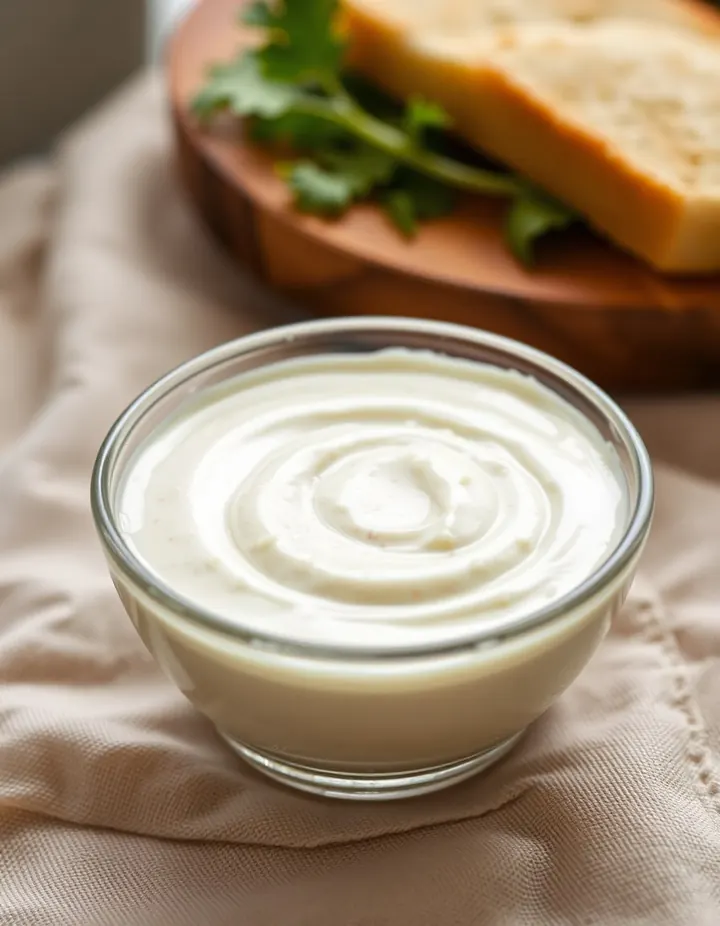 Horseradish Sauce17 recipes
 Tomato Soup526 recipes
 Brown Bread461 recipes
 Mutton Broth292 recipes
The free Flavor Lab newsletter: one surprising pairing a week and the molecular reason it works, in 60 seconds. No spam, unsubscribe anytime.
Prefer an account? Create a free account to save pairings and unlock the full chemistry.