
Why it works: Flour and sugar are a kitchen classic. They rank in the top 15% of all ingredient pairs, and cooks put them together in 92,116 recipes. Both carry phenylacetaldehyde, which smells hawthorne, honey. The science ↓
Light Rolls
Ingredients
Directions
Make the batter
Combine one pint of flour, one tablespoonful of sugar, one teaspoonful of salt, the whites of two eggs froth, a piece of lard the size of a hen egg, and five tablespoonfuls of home-made or three of distillers' yeast.
First mix the lard and flour, then stir in the other ingredients, and finally add enough milk-warm water to make a thin batter.
Set the batter in a warm place; it will rise sufficiently in two or three hours to work in flour.
Shape and bake
Make the dough pretty stiff, work till smooth and tolerably soft.
Do not work it much the last time.
Make out in pretty shapes, put to rise and bake.
If this is put to rise about 12 o'clock, it will be ready for sapper.
Nutrition, whole recipe (rough)
What these numbers assume: 5 portions
| Ingredient | Portion assumed | kcal |
|---|---|---|
| Flour | 1 cup (125g) all-purpose | 455 |
| Lard | 1 tbsp (12.8g) | 115 |
| Egg | 1 large egg (50g) | 78 |
| Sugar | 1 tbsp (12.5g) granulated | 49 |
| Salt | 1 tsp (6g) | 0 |
One typical portion per ingredient; the recipe's quantities are not counted. A rough guide only, not for medical or dietary planning.
Transcribed from a scanned cookbook and modernised for today's kitchens. Where the book gave no heat or time, or said "a moderate oven", the temperatures and times here may be modern equivalents rather than the book's own figures. See the original page.
Photo for illustrative purposes only · Contact us to use it
Explore the science
The flavor team
The pairs that carry this dish. Each one is judged two ways: how much their aromas overlap, and how often cooks already put them together.
-
Flour + sugartop 15% of all pairsSmell alikemoderateCooked together92,116 recipes
Shared aroma: phenylacetaldehyde (hawthorne, honey).
-
Flour + eggtop 15% of all pairsSmell alikelowCooked together106,462 recipes
Shared aroma: isobutyraldehyde (malty, green).
-
Egg + sugartop 21% of all pairsSmell alikemoderateCooked together122,807 recipes
Shared aroma: 2-nonenal (fatty, green).
-
Flour + teatop 25% of all pairsSmell alikelowCooked together449 recipes
Shared aroma: isobutyraldehyde (malty, green).
-
Sugar + teatop 31% of all pairsSmell alikelowCooked together1,204 recipes
Shared aroma: beta-damascenone (apple, rose).
Flour and egg barely smell alike, yet cooks put them together in 106,462 recipes: they work on texture and structure more than aroma.
Ranks compare each pair with 20,000 random ingredient pairs on CompKitchen. How we score pairs
What each ingredient does
- Flour
- Forms the structure of the dough once worked into a stiff, smooth dough.
- Eggs
- Add structure and richness, and the frothed whites help lighten the dough.
- Lard
- Adds fat, which tenderises the crumb and softens the texture of the rolls.
- Home-made yeast
- Produces gas that makes the dough rise and gives the rolls their light texture.
- Sugar
- Feeds the yeast and adds a little sweetness and browning to the rolls.
The step that matters
Do not overwork the dough on the last kneading. Over-kneading toughens the dough by developing gluten too far and knocking out the gas bubbles the yeast has built, so the rolls rise less and bake up denser.
“What each ingredient does” and “The step that matters” were written by Claude from this recipe’s own method and reviewed in samples by CompKitchen.
You might also like
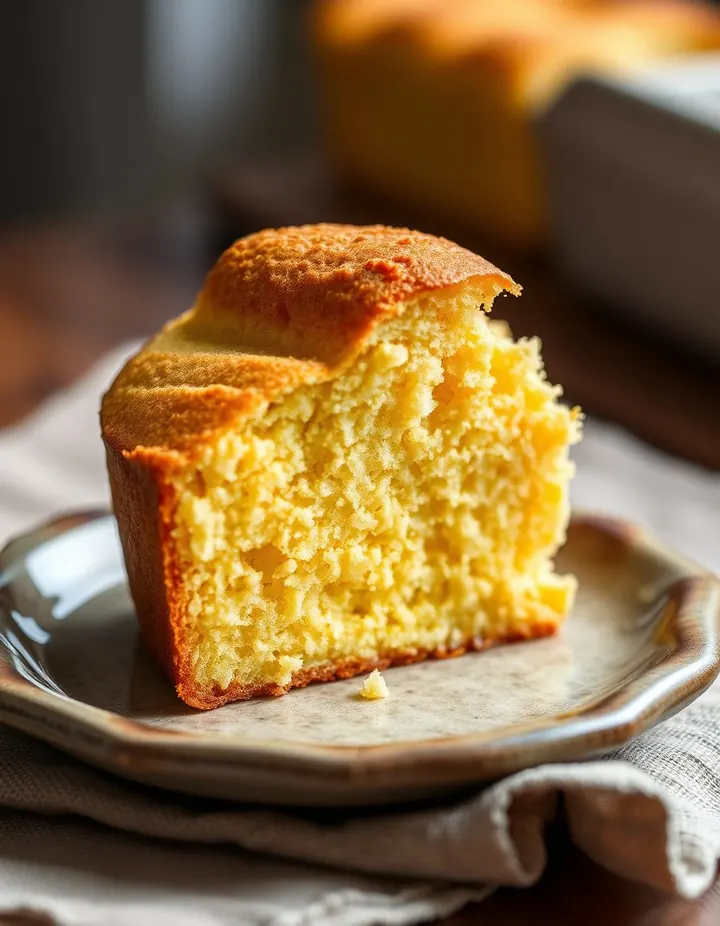 Cornbread345 recipes
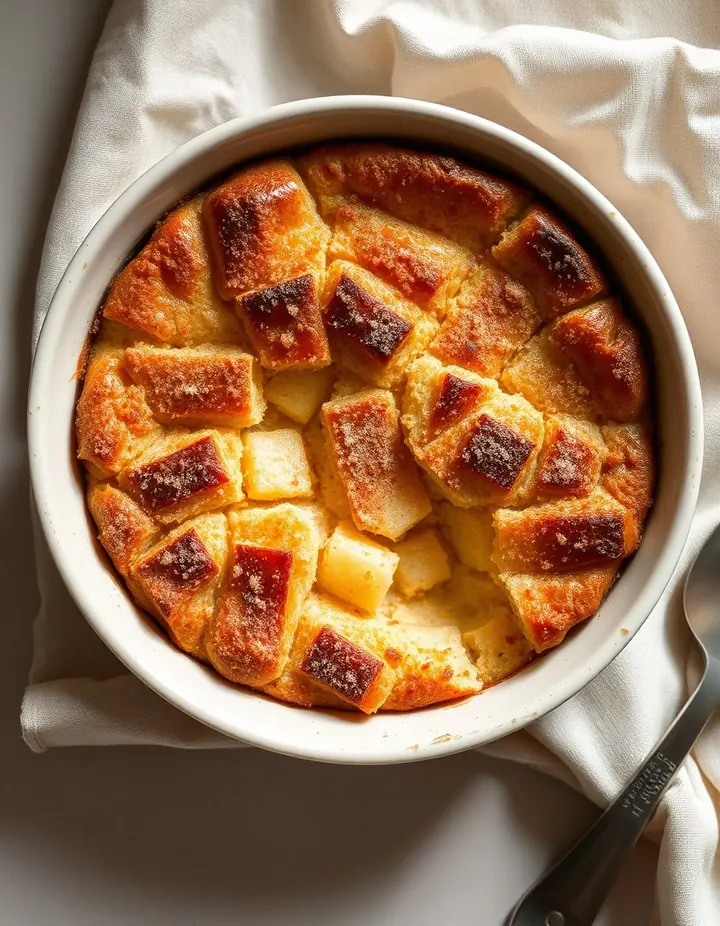 Bread Pudding336 recipes
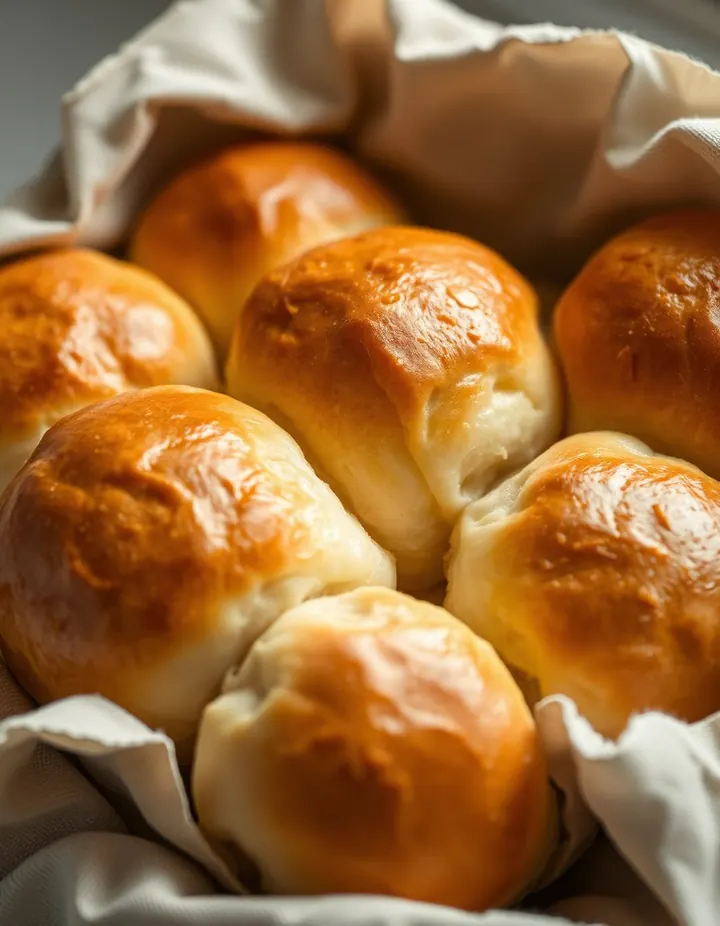 Milk Bread Rolls242 recipes
 Potato Bread124 recipes
The free Flavor Lab newsletter: one surprising pairing a week and the molecular reason it works, in 60 seconds. No spam, unsubscribe anytime.
Prefer an account? Create a free account to save pairings and unlock the full chemistry.