Why it works: Milk and white wine match in chemistry and in kitchens. They rank in the top 8% of all ingredient pairs, and 916 recipes mention both. Both carry ethyl octanoate, which smells fruity. The science ↓
The recipe
Ingredients
Contains: milk (auto-detected from the ingredients and method; we can miss things, so check labels)
Directions
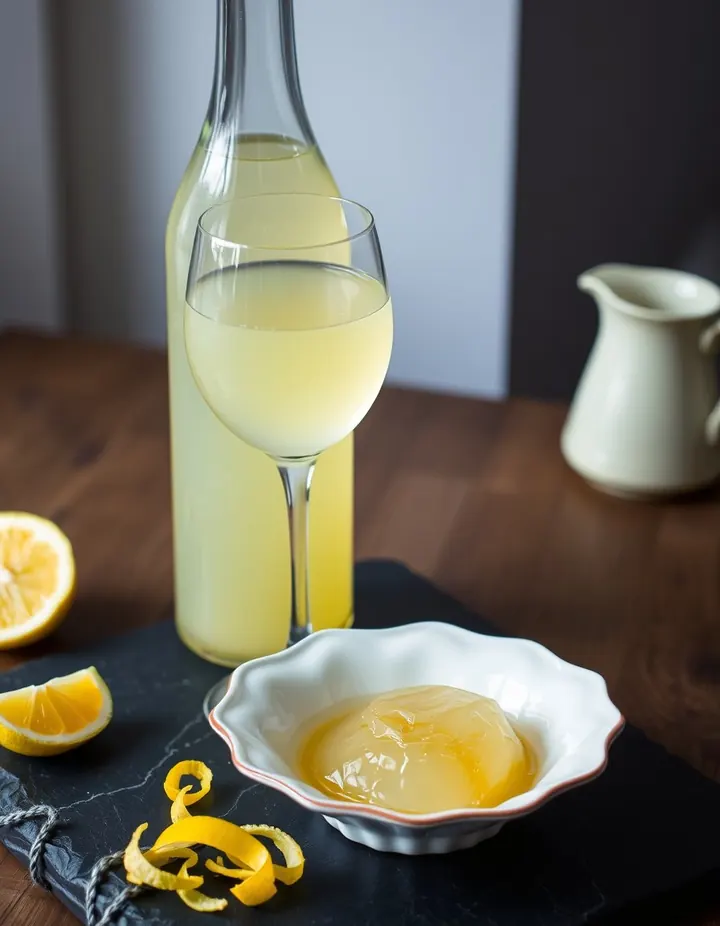
Make the lemonade
Peel two lemons very thin.
Squeeze the juice over the peel, and let it lay all night.
In the morning add to it two pounds of powdered sugar, a quart of white wine, three quarts of fresh milk boiled, hot.
Strain it through a jelly bag till perfectly clear.
Let it stand till quite cold, and you will find it a delicious summer beverage.
Prepare the melon
Cut and scrape the melons.
Lay them in salt and water for twenty-four hours.
Soak them in fresh water for one day.
Put them to green in a brass kettle, a lay fir of melon, between cabbage or grape leaves, sprinkled with powdered alum.
When they are sufficiently green, lay them in fresh water for twenty-four hours more.
Make the syrup
Make a weak syrup and boil them, letting them stand in it two or three days.
Make a fresh syrup, allowing two pounds of sugar to every pound of melon.
Season with ginger.
Transcribed from a scanned cookbook and modernised for today's kitchens. Where the book gave no heat or time, or said "a moderate oven", the temperatures and times here may be modern equivalents rather than the book's own figures. See the original page.
Explore the science
The flavor team
The pairs that carry this dish. Each one is judged two ways: how much aroma chemistry they share, and how many recipes mention both.
-
Milk + white winetop 8% of all pairsAroma overlapstrongMentioned together916 recipes
Shared aroma: ethyl octanoate (fruity).
-
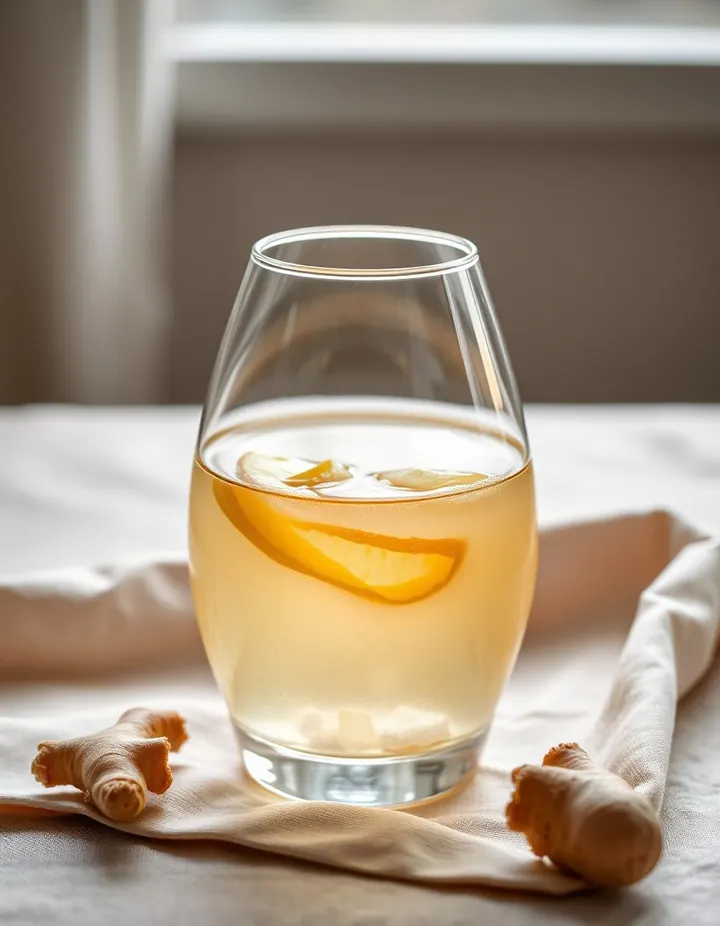
Lemon + gingertop 3% of all pairsAroma overlapstrongMentioned together5,154 recipes
Shared aroma: beta-phellandrene (minty, terpene).
-
Melon + gingertop 4% of all pairsAroma overlapstrongMentioned together342 recipes
Shared aroma: methyl 2-methylbutyrate (fruity, apple).
-
White wine + lemontop 4% of all pairsAroma overlapmoderateMentioned together3,764 recipes
Shared aroma: myrcene (balsamic, herbaceous).
-
Milk + melontop 7% of all pairsAroma overlapstrongMentioned together69 recipes
Shared aroma: methyl 2-methylbutyrate (fruity, apple).
Ranks compare each pair with 20,000 random ingredient pairs on CompKitchen. How we score pairs
What each ingredient does
- Fresh milk
- Its proteins curdle with the acidic juice and wine, giving the drink body and a creamy texture.
- Lemons
- Their juice and peel supply the sharp acidity and citrus aroma that balance the sweetness.
- Powdered sugar
- Adds sweetness and body, dissolving readily into the cold drink.
- White wine
- Adds acidity and aroma and helps the milk separate into a clear liquid.
- Melons
- Form the candied body of the preserve, taking up sugar in the syrup to become tender and sweet.
The step that matters
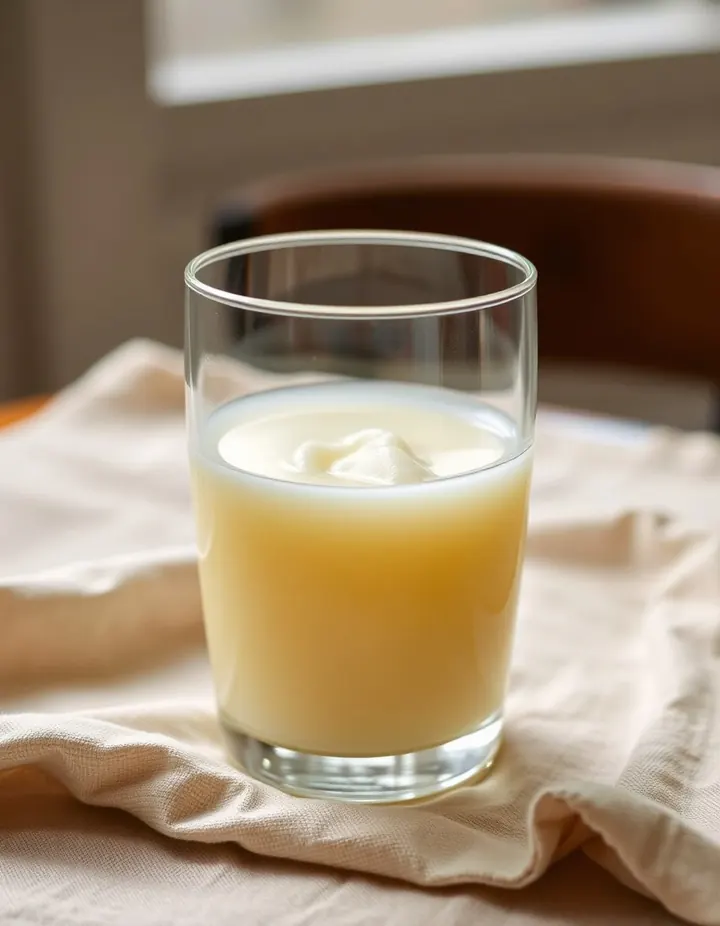
Strain through a jelly bag until perfectly clear. Hot milk curdles when acid is added, separating into curds and whey. Straining slowly through a fine bag removes the curds and leaves a clear liquid, so rushing this step leaves the drink cloudy.
Flavor stand-ins for the melon
How well each one fits the dish's main ingredients (sugar, milk, white wine, lemon, ginger):
- Orangebetter flavor fit
- Applebetter flavor fit
- Mangobetter flavor fit
- Melonthe original
Fit is the average pairing score against sugar, milk, white wine, lemon, ginger. Candidates are from the same food group and used in at least 100 recipes. This compares flavor only: it does not check the job the ingredient does in the dish (bulk, moisture, acidity, structure).
“What each ingredient does” and “The step that matters” were written by Claude from this recipe’s own method and reviewed in samples by CompKitchen.
You might also like
 Illustration
 Illustration
 Illustration
 Illustration
The Sunday pairing: one pairing, the chemistry behind it, and how to cook it. No spam, unsubscribe anytime.
Prefer an account? Create a free account for sign-in; Pro adds the full results and chemistry.