Why it works: Beans and tomato match in chemistry and in kitchens. They rank in the top 1% of all ingredient pairs, and cooks put them together in 2,713 recipes. Both carry 2-isopropyl-3-methoxypyrazine, which smells earthy, pea. The science ↓
Virginia Brunswick Stew
Ingredients
Directions
Make the stew base
Add three gallons of water, two cut-up chickens, and one pound of finely cut fat bacon to the pot.
Cook until the chicken is sufficiently cooked for the meat to leave the bones.
Remove the chickens and separate the meat from the bones.
Return the meat to the water.
Add the vegetables
Add half a gallon of boiled and mashed Irish potatoes.
Add one and a half pints of green corn cut off.
Add one pint of green butter beans.
Add one quart of skinned tomatoes.
Add a good sized loaf of light bread.
Season with black pepper, red pepper, salt, and butter.
Do not add the bread until the stew is nearly done.
Finish the stew
When the stew begins to thicken, stir constantly until it is done.
If the stew becomes too thick, add more water.
Make the stew so that no one can detect any of the ingredients.
Squirrels can be used as a substitute for chickens.
Nutrition, whole recipe (rough)
Counts 8 of 10 ingredients. The other 2 aren't in our nutrition table and add nothing above, so the real totals are higher.
What these numbers assume: 8 portions
| Ingredient | Portion assumed | kcal |
|---|---|---|
| Chicken | 100g cooked | 165 |
| Potato | 1 medium (173g) baked | 161 |
| Butter | 1 tbsp (14g) | 102 |
| Corn | 1/2 cup kernels (82g) | 77 |
| Bacon | 1 slice cooked (8g) | 43 |
| Tomato | 1 medium (123g) | 22 |
| Black Pepper | 1 tsp ground (2.3g) | 6 |
| Salt | 1 tsp (6g) | 0 |
| Water | not in our table | 0 |
| Bean | not in our table | 0 |
One typical portion per ingredient; the recipe's quantities are not counted. A rough guide only, not for medical or dietary planning.
Transcribed from a scanned cookbook and modernised for today's kitchens. Where the book gave no heat or time, or said "a moderate oven", the temperatures and times here may be modern equivalents rather than the book's own figures. See the original page.
Explore the science
The flavor team
The pairs that carry this dish. Each one is judged two ways: how much their aromas overlap, and how often cooks already put them together.
-
Beans + tomatotop 1% of all pairsSmell alikestrongCooked together2,713 recipes
Shared aroma: 2-isopropyl-3-methoxypyrazine (earthy, pea).
-
Corn + beanstop 3% of all pairsSmell alikestrongCooked together1,211 recipes
Shared aroma: 2,3-pentanedione (butter, sweet).
-
Corn + potatotop 5% of all pairsSmell alikestrongCooked together938 recipes
Shared aroma: (e)-2-octenal (fatty, green).
-
Beans + potatotop 5% of all pairsSmell alikestrongCooked together655 recipes
Shared aroma: 2-isobutyl-3-methoxypyrazine (green bell pepper, earthy).
-
Tomato + potatotop 5% of all pairsSmell alikestrongCooked together2,798 recipes
Shared aroma: 2-isopropyl-3-methoxypyrazine (earthy, pea).
Ranks compare each pair with 20,000 random ingredient pairs on CompKitchen. How we score pairs
What each ingredient does
- Chickens
- Provide the meat and rich flavour of the stew base when cooked in the water.
- Fat bacon
- Adds fat and smoky, savoury flavour to the broth.
- Irish potatoes
- Break down when mashed, adding body and thickening the stew.
- Light bread (in the method)
- Soaks up liquid and thickens the stew as it cooks.
- Green corn
- Adds sweetness and tender texture to the stew.
- Tomatoes
- Add acidity and a fresh, tangy flavour to the broth.
The step that matters
Adding the bread. Bread added too early dissolves into the liquid and can make the stew pasty or overly thick. Adding it near the end lets it thicken gently while keeping some texture.
“What each ingredient does” and “The step that matters” were written by Claude from this recipe’s own method and reviewed in samples by CompKitchen.
You might also like
 Tomato Soup526 recipes
 Chicken Broth257 recipes
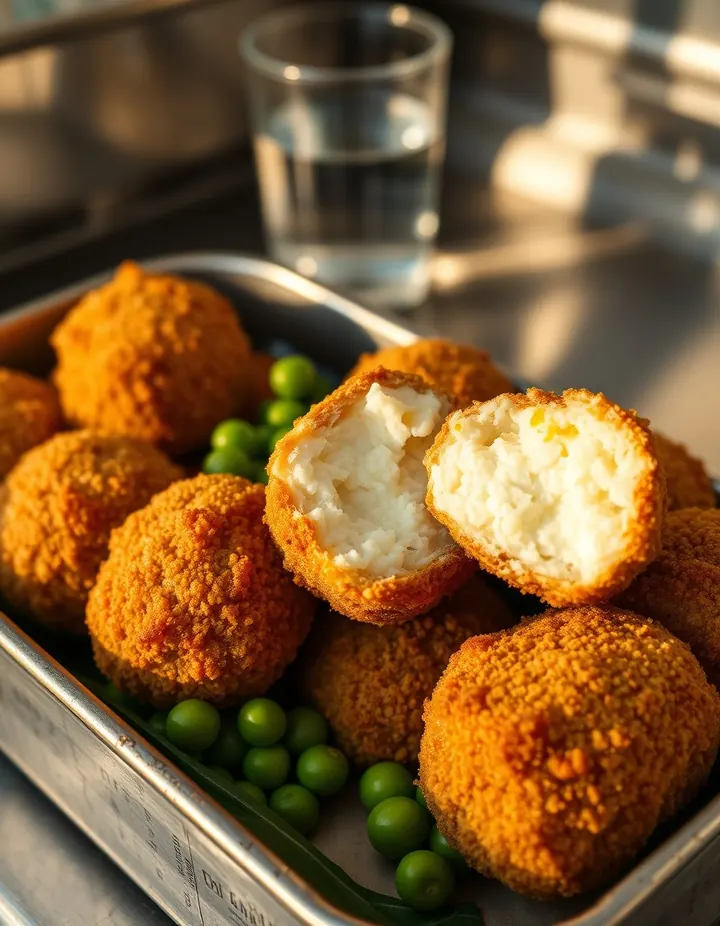 Potato Croquettes255 recipes
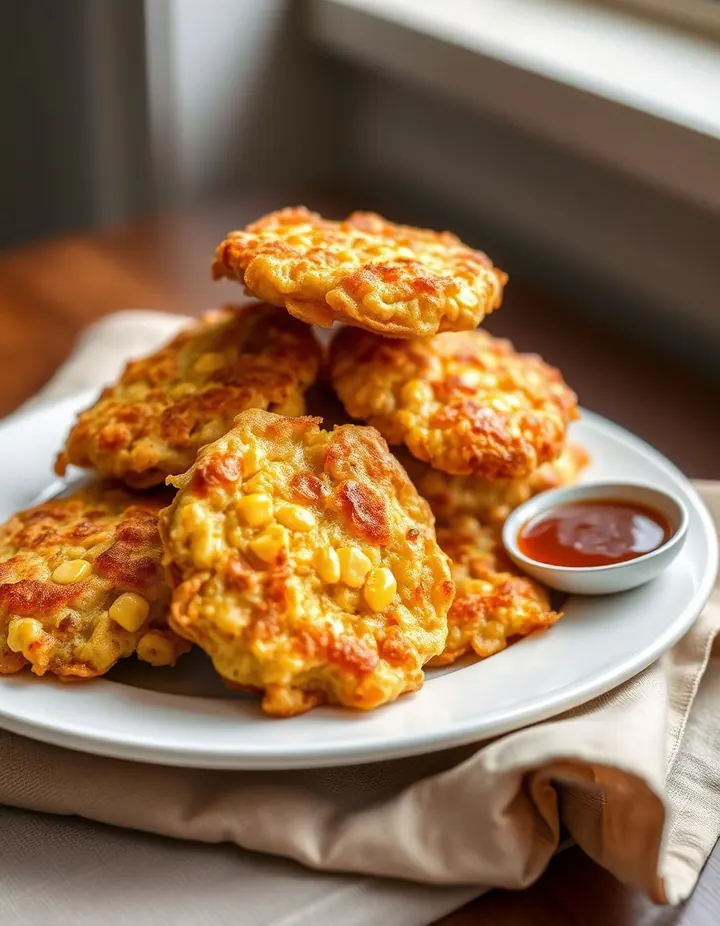 Corn Fritters203 recipes
The free Flavor Lab newsletter: one surprising pairing a week and the molecular reason it works, in 60 seconds. No spam, unsubscribe anytime.
Prefer an account? Create a free account to save pairings and unlock the full chemistry.