Why it works: Lemon and parsley match in chemistry and in kitchens. They rank in the top 1% of all ingredient pairs, and 14,037 recipes mention both. Both carry beta-phellandrene, which smells minty, terpene. The science ↓
Parisienne Eggs
Ingredients
Directions
Prepare the components
Cut hard‑boiled eggs into rather thin slices.
Season the slices with paprika, salt, chopped parsley, and a few drops of onion juice.
Dip the seasoned slices in grated Parmesan cheese.
Prepare the sauce by mixing 2 cups heavy cream, 2 tablespoons Parmesan cheese, a dash of cayenne pepper, ½ teaspoon salt, 1 teaspoon each of French and English mustard, and the juice of one lemon.
Assemble the dish
Butter a baking dish well.
Line the dish with sliced tomatoes seasoned the same as the eggs.
Cover the tomatoes with a cream sauce.
Layer the sliced eggs over the sauce.
Add another layer of sauce.
Repeat layering eggs and sauce until the dish is filled.
Make the last layer of sauce ornamental by forcing it through a tube.
Garnish the dish with potato balls around it.
Bake and serve
Set the assembled dish in the stove to heat and brown.
Transcribed from a scanned cookbook and modernised for today's kitchens. Where the book gave no heat or time, or said "a moderate oven", the temperatures and times here may be modern equivalents rather than the book's own figures. See the original page.
Explore the science
The flavor team
The pairs that carry this dish. Each one is judged two ways: how much aroma chemistry they share, and how many recipes mention both.
-
Lemon + parsleytop 1% of all pairsAroma overlapstrongMentioned together14,037 recipes
Shared aroma: beta-phellandrene (minty, terpene).
-
Pepper + parsleytop 2% of all pairsAroma overlapstrongMentioned together34,122 recipes
Shared aroma: 4'-methylacetophenone (bitter almond).
-
Pepper + lemontop 3% of all pairsAroma overlapstrongMentioned together27,047 recipes
Shared aroma: trans-2-nonenal (cardboard, fatty).
-
Parsley + mustardtop 8% of all pairsAroma overlapstrongMentioned together2,588 recipes
Shared aroma: trans-2-hexenal (green, leafy).
-
Pepper + mustardtop 9% of all pairsAroma overlapmoderateMentioned together15,430 recipes
Shared aroma: 2-isopropyl-3-methoxypyrazine (earthy, pea).
Ranks compare each pair with 20,000 random ingredient pairs on CompKitchen. How we score pairs
What each ingredient does
- Eggs (in the method)
- Form the sliced layers that give the dish its body and structure.
- Heavy cream
- Forms the rich sauce that moistens the layers and sets as it heats.
- Parmesan cheese
- Adds savory, salty flavor and helps the top brown when heated.
- Mustard
- Adds sharp acidity and pungency that balances the rich cream sauce.
- Lemon juice
- Adds acidity that brightens the rich cream sauce.
The step that matters
Forcing the last layer of sauce through a tube. Cream sauce that is too thin or cold will run and blur the piped pattern. Keeping it thick and at a workable temperature lets it hold its shape and brown evenly in the oven.
Flavor stand-ins for the mustard
How well each one fits the dish's main ingredients (cream, pepper, cheese, lemon, parsley):
- Spinachbetter flavor fit
- Carrotbetter flavor fit
- Potatoabout as good a flavor fit
- Mustardthe original
Fit is the average pairing score against cream, pepper, cheese, lemon, parsley. Candidates are from the same food group and used in at least 100 recipes. This compares flavor only: it does not check the job the ingredient does in the dish (bulk, moisture, acidity, structure).
“What each ingredient does” and “The step that matters” were written by Claude from this recipe’s own method and reviewed in samples by CompKitchen.
You might also like
 Lemon Sauce236 recipes
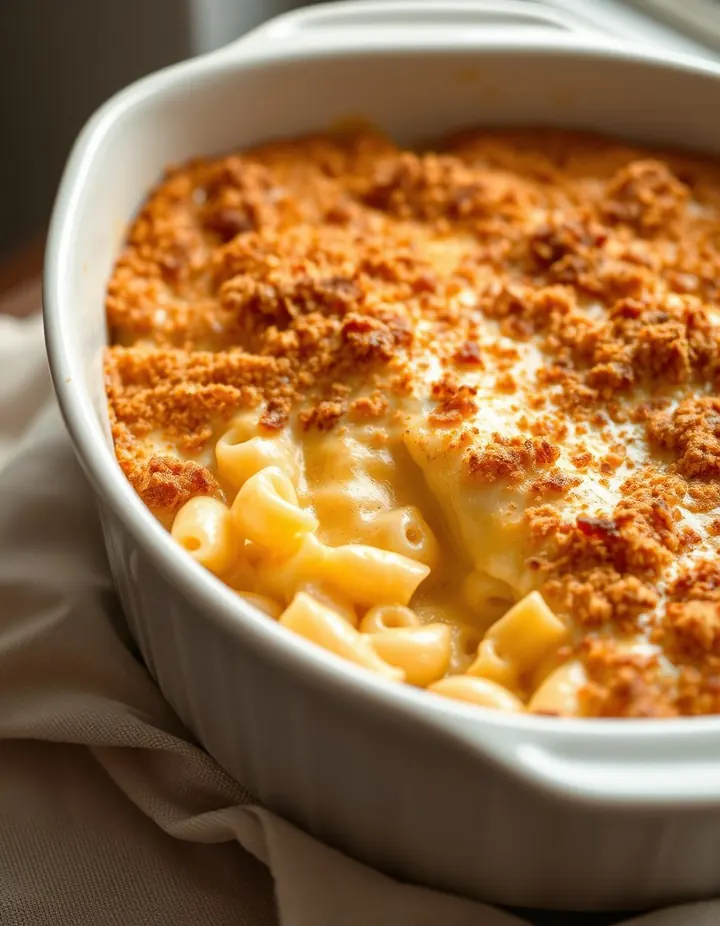 Macaroni and Cheese102 recipes
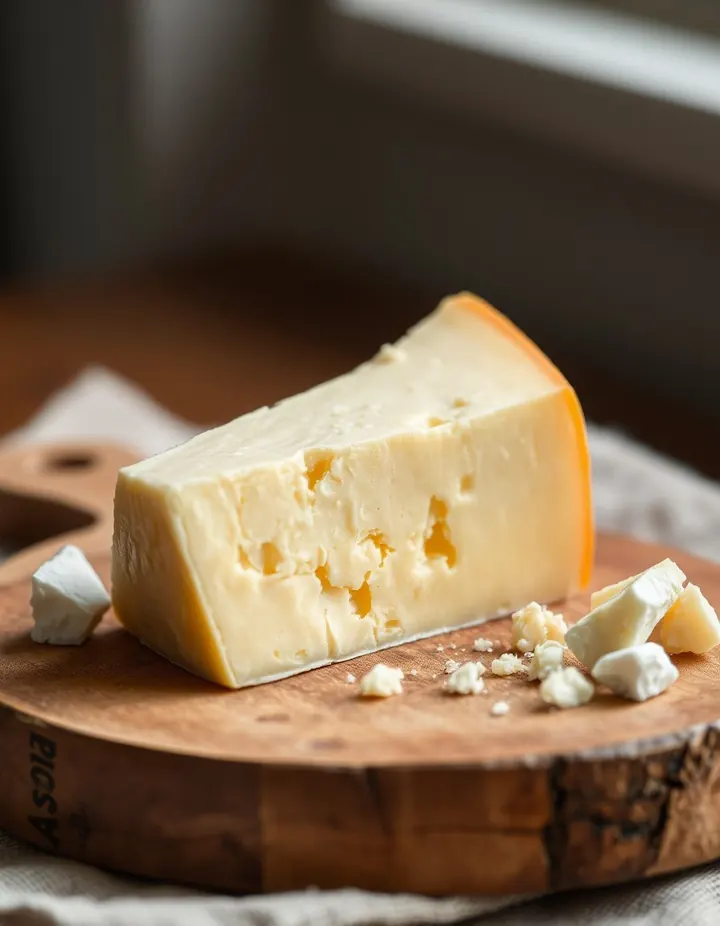 Cheese Making50 recipes
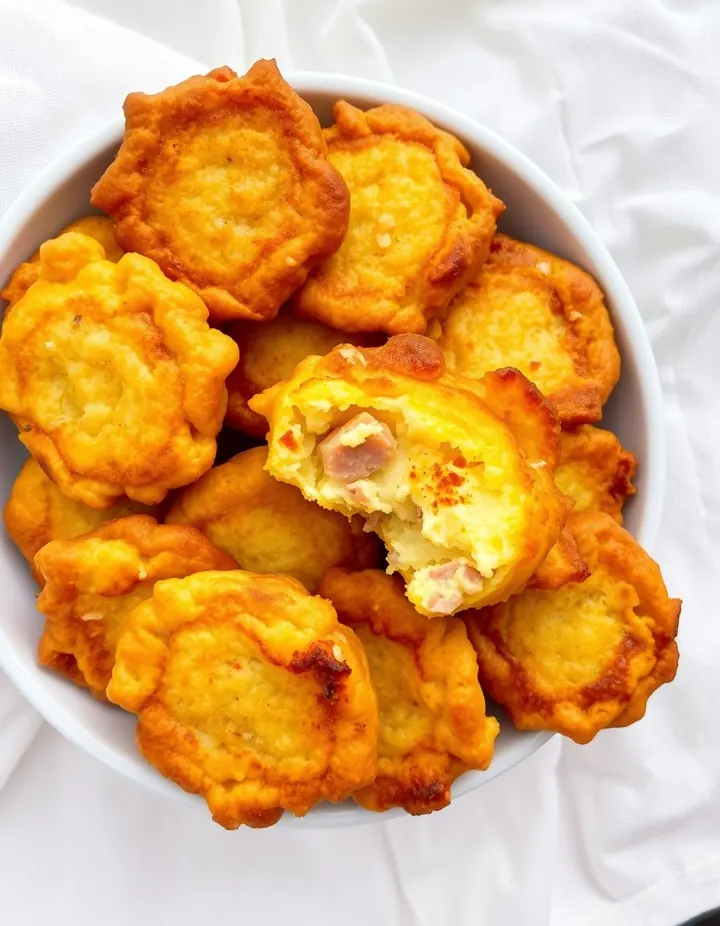 Cheese Fritters34 recipes
The Sunday pairing: one pairing, the chemistry behind it, and how to cook it. No spam, unsubscribe anytime.
Prefer an account? Create a free account for sign-in; Pro adds the full results and chemistry.