Why it works: Bread and potato work together. They rank in the top 15% of all ingredient pairs, and cooks put them together in 434 recipes. Both carry 2-acetyl-1-pyrroline, which smells popcorn, roasted. The science ↓
Homs-madb Yeast
Ingredients
Directions
Prepare the potato mash
Pare six large potatoes and boil them in about three pints of water.
Tie a handful of hops in a muslin bag and boil with the potatoes.
When the potatoes are thoroughly cooked, drain the water and add sufficient flour to make a good batter.
Set the mixture on the stove for a few minutes until the flour is well-scalded; do not let it boil or simmer.
Remove from heat and let it cool.
Make the yeast
Mash the potatoes and add them to the flour, then add a half cup of sugar and a half cup of yeast.
Let the mixture stand in a warm place until it has thoroughly risen.
Add sifted and dried cornmeal and knead well until the dough is thick enough to roll out and will crumble when dry.
Cut the dough into cakes, spread on a board, and place in the shade to dry.
Keep the cakes in a dry box.
Alternatively, stop the mixture before adding cornmeal to keep it liquid.
Let the liquid mixture stand in a warm place until it has thoroughly risen.
Scald a large jar, wipe dry, and put the yeast in it; cover tightly and keep in a cool place.
One-third of a cupful of yeast will make two loaves of bread.
Nutrition, whole recipe (rough)
Counts 3 of 5 ingredients. The other 2 aren't in our nutrition table and add nothing above, so the real totals are higher.
What these numbers assume: 3 portions
| Ingredient | Portion assumed | kcal |
|---|---|---|
| Flour | 1 cup (125g) all-purpose | 455 |
| Potato | 1 medium (173g) baked | 161 |
| Sugar | 1 tbsp (12.5g) granulated | 49 |
| Water | not in our table | 0 |
| Hop | not in our table | 0 |
One typical portion per ingredient; the recipe's quantities are not counted. A rough guide only, not for medical or dietary planning.
Transcribed from a scanned cookbook and modernised for today's kitchens. Where the book gave no heat or time, or said "a moderate oven", the temperatures and times here may be modern equivalents rather than the book's own figures. See the original page.
Explore the science
The flavor team
The pairs that carry this dish. Each one is judged two ways: how much their aromas overlap, and how often cooks already put them together.
-
Bread + potatotop 15% of all pairsSmell alikemoderateCooked together434 recipes
Shared aroma: 2-acetyl-1-pyrroline (popcorn, roasted).
-
Sugar + potatotop 30% of all pairsSmell alikelowCooked together3,032 recipes
Shared aroma: beta-damascenone (apple, rose).
-
Sugar + breadtop 32% of all pairsSmell alikelowCooked together8,638 recipes
Shared aroma: 2-nonenal (fatty, green).
-
Hops + potatotop 39% of all pairsSmell alikelowCooked together3 recipes
Shared aroma: myrcene (balsamic, herbaceous).
-
Sugar + hopstop 43% of all pairsSmell alikelowCooked together6 recipes
Shared aroma: guaiacol (smoky, sweet).
Ranks compare each pair with 20,000 random ingredient pairs on CompKitchen. How we score pairs
What each ingredient does
- Potatoes
- Starch that is mashed into the batter to feed the yeast and add body.
- Flour (in the method)
- Forms the batter that the yeast culture grows in and supplies food for fermentation.
- Yeast
- Ferments the sugars in the batter, causing it to rise and leaven the dough.
- Sugar
- Provides readily fermentable sugar that feeds the yeast and speeds the rise.
- Cornmeal (in the method)
- Stiffens the dough so it can be cut into cakes and dried for storage.
The step that matters
Scalding the flour without boiling. Heating the flour mixture gently scalds it, which deactivates wild microbes and makes the starch easier for yeast to use. Boiling or simmering can overheat and kill the yeast culture in later steps.
Swap the potato
How well each one fits the dish's main ingredients (sugar, hops, bread):
- Mustardfits better
- Capsicumfits better
- Cucumberfits about as well
- Potatothe original
Fit is the average pairing score against sugar, hops, bread. Candidates are from the same food group and used in at least 100 recipes.
“What each ingredient does” and “The step that matters” were written by Claude from this recipe’s own method and reviewed in samples by CompKitchen.
More homemade yeast recipes
You might also like
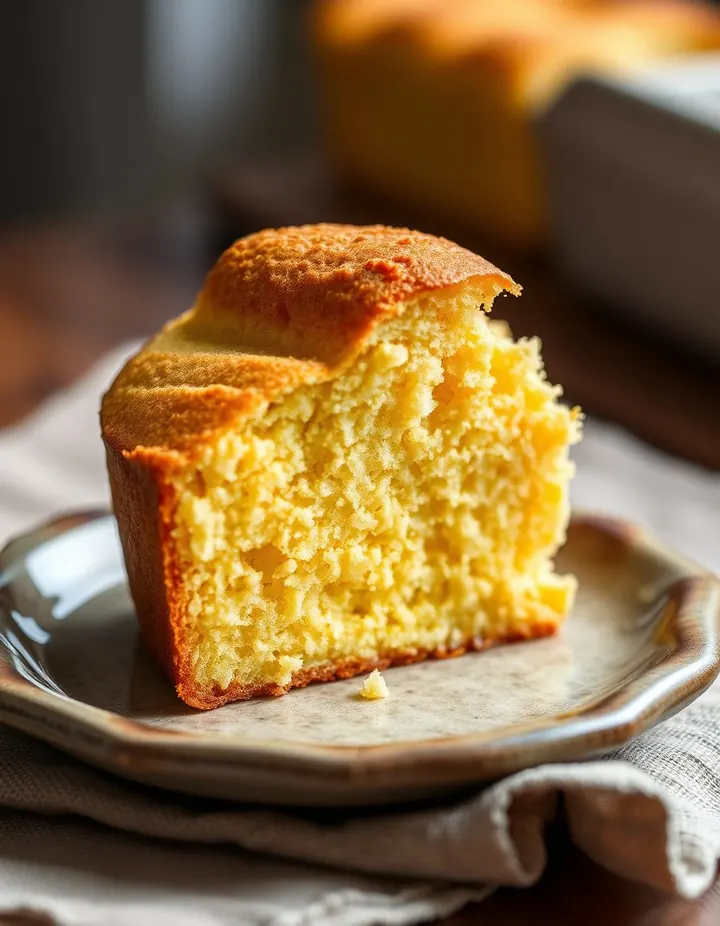 Cornbread345 recipes
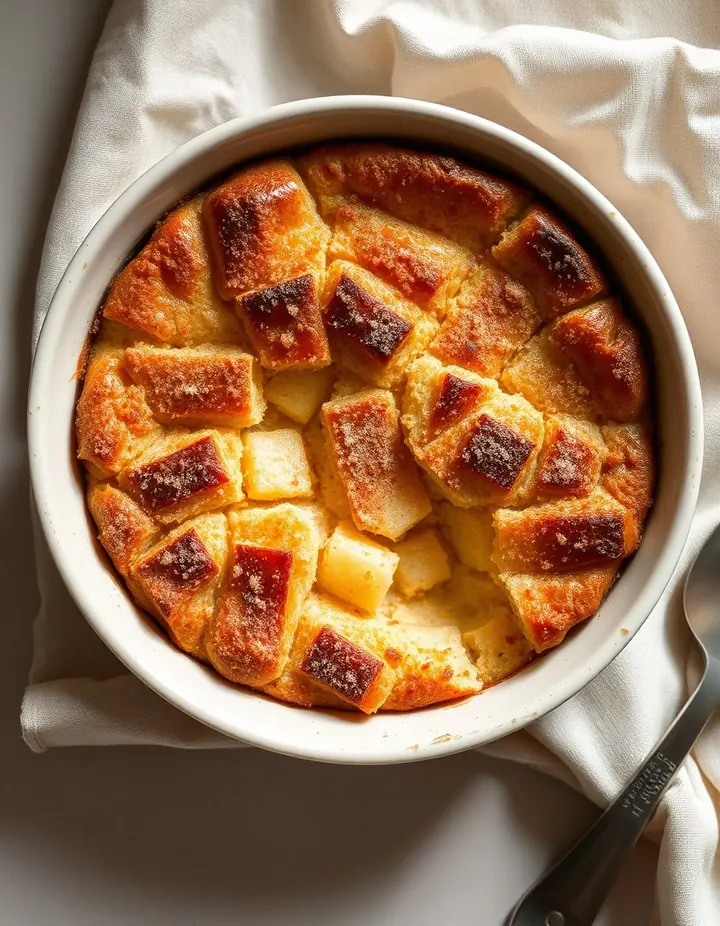 Bread Pudding336 recipes
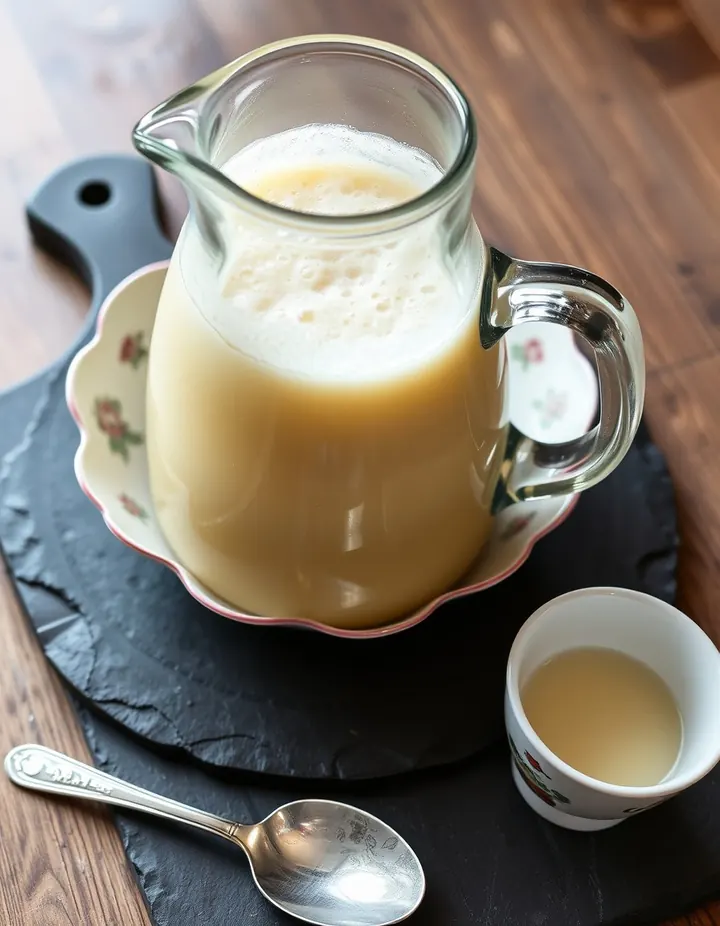 Potato Bread124 recipes
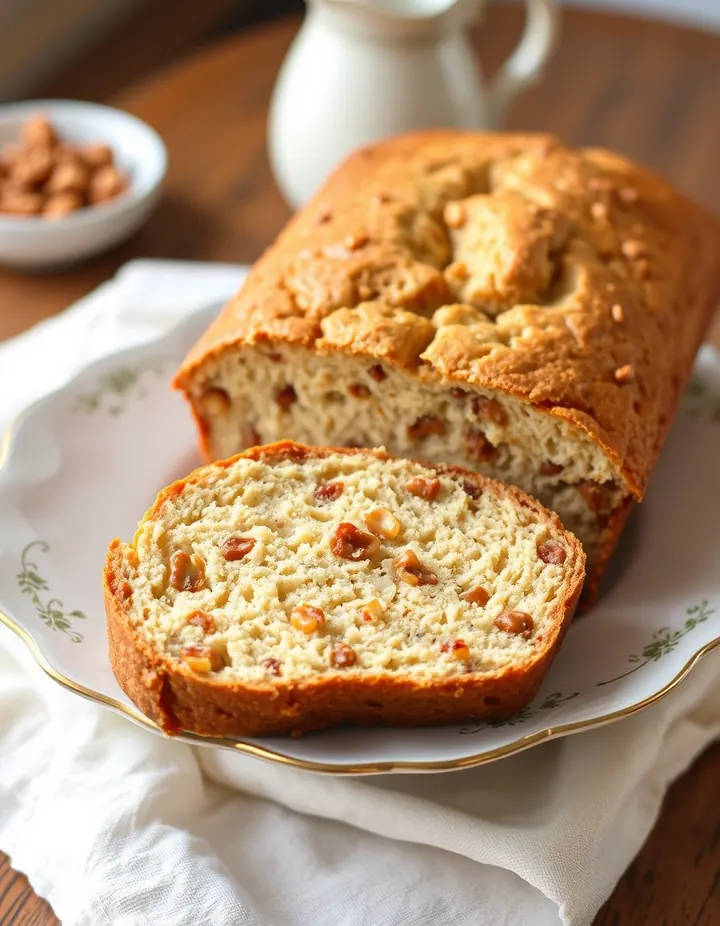 Nut Bread109 recipes
The free Flavor Lab newsletter: one surprising pairing a week and the molecular reason it works, in 60 seconds. No spam, unsubscribe anytime.
Prefer an account? Create a free account to save pairings and unlock the full chemistry.