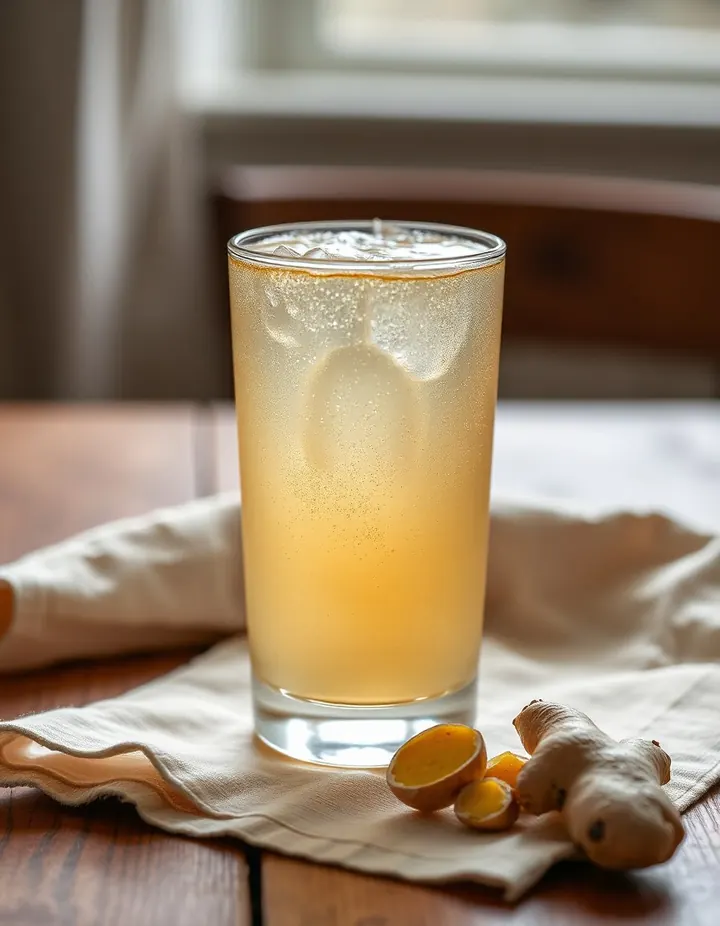
Why it works: Clove and ginger match in chemistry and in kitchens. They rank in the top 1% of all ingredient pairs, and cooks put them together in 6,038 recipes. Both carry estragole, which smells anise, licorice. The science ↓
Ginger Pop
Ingredients
Directions
Combine two pounds brown sugar, one tablespoon of ginger, half a lemon sliced, and one dessert spoon of cream of tartar.
Pour two gallons of boiling water over the mixture.
When the mixture is warm, stir in one pint of brisk yeast.
Make the mixture in the morning and bottle it at night.
It will be ready for use in three days.
Nutrition, whole recipe (rough)
Counts 8 of 13 ingredients. The other 5 aren't in our nutrition table and add nothing above, so the real totals are higher.
What these numbers assume: 8 portions
| Ingredient | Portion assumed | kcal |
|---|---|---|
| Flour | 1 cup (125g) all-purpose | 455 |
| Orange | 1 medium (131g) | 62 |
| Cream | 1 tbsp (15ml) heavy | 51 |
| Sugar | 1 tbsp (12.5g) granulated | 49 |
| Rum | 1/2 oz (15ml) | 32 |
| Lemon | juice of 1 lemon (48ml) | 12 |
| Clove | 1 tsp ground (2g) | 7 |
| Ginger | 1 tsp grated fresh (2g) | 2 |
| Water | not in our table | 0 |
| Cognac Brandy | not in our table | 0 |
| Green Tea | not in our table | 0 |
| Champagne | not in our table | 0 |
| Mace | not in our table | 0 |
One typical portion per ingredient; the recipe's quantities are not counted. A rough guide only, not for medical or dietary planning.
Transcribed from a scanned cookbook and modernised for today's kitchens. Where the book gave no heat or time, or said "a moderate oven", the temperatures and times here may be modern equivalents rather than the book's own figures. See the original page.
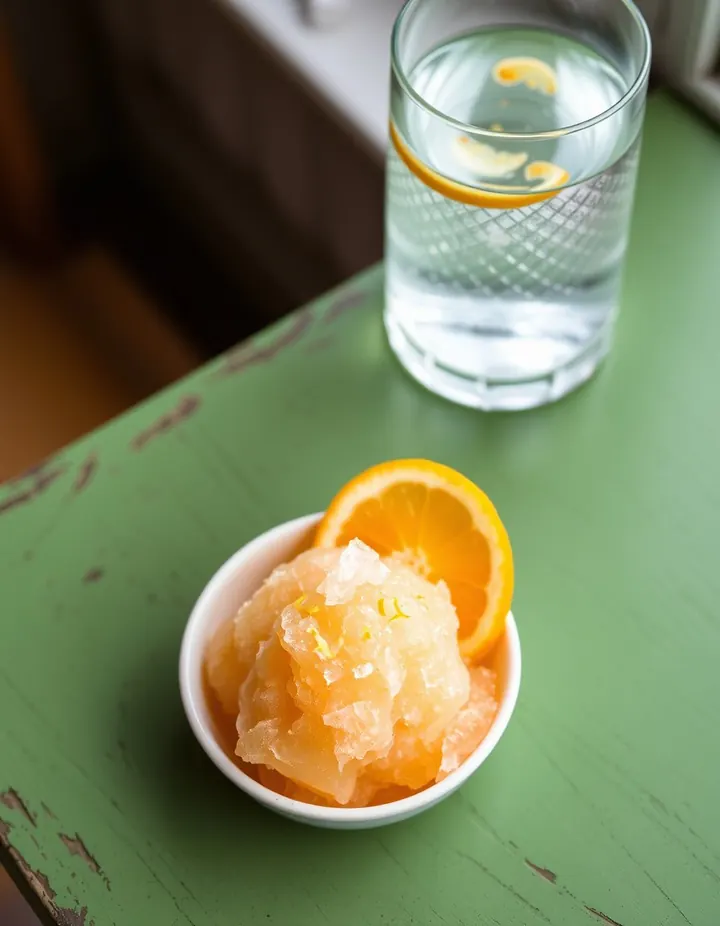
Photo for illustrative purposes only · Contact us to use it
Explore the science
The flavor team
The pairs that carry this dish. Each one is judged two ways: how much their aromas overlap, and how often cooks already put them together.
-
Clove + gingertop 1% of all pairsSmell alikestrongCooked together6,038 recipes
Shared aroma: estragole (anise, licorice).
-
Cognac brandy + rumtop 1% of all pairsSmell alikestrongCooked together68 recipes
Shared aroma: 2-methoxy-4-propylphenol (allspice, anise).
-
Rum + champagnetop 2% of all pairsSmell alikestrongCooked together137 recipes
Shared aroma: ethyl isobutyrate (fruity, ethereal).
-
Cognac brandy + champagnetop 2% of all pairsSmell alikestrongCooked together28 recipes
Shared aroma: ethyl isobutyrate (fruity, ethereal).
-
Ginger + lemontop 5% of all pairsSmell alikestrongCooked together5,154 recipes
Shared aroma: beta-phellandrene (minty, terpene).
Ranks compare each pair with 20,000 random ingredient pairs on CompKitchen. How we score pairs
What each ingredient does
- Brown sugar
- Provides sweetness and food for the yeast to ferment into alcohol and carbonation.
- Brisk yeast
- Ferments the sugar, producing alcohol and carbon dioxide for the drink's fizz.
- Cream of tartar
- Adds acidity that brightens the flavour and helps keep the mixture stable.
The step that matters
Stirring in the yeast when the mixture is warm. Yeast works best at lukewarm temperatures. If the liquid is too hot it can kill the yeast, and if it is cold fermentation starts slowly, so the drink may fail to develop.
Swap the lemon
How well each one fits the dish's main ingredients (sugar, cognac brandy, rum, clove, green tea, champagne, ginger):
- Vanillafits better
- Pineapplefits better
- Orangefits better
- Lemonthe original
Fit is the average pairing score against sugar, cognac brandy, rum, clove, green tea, champagne, ginger. Candidates are from the same food group and used in at least 100 recipes.
“What each ingredient does” and “The step that matters” were written by Claude from this recipe’s own method and reviewed in samples by CompKitchen.
You might also like
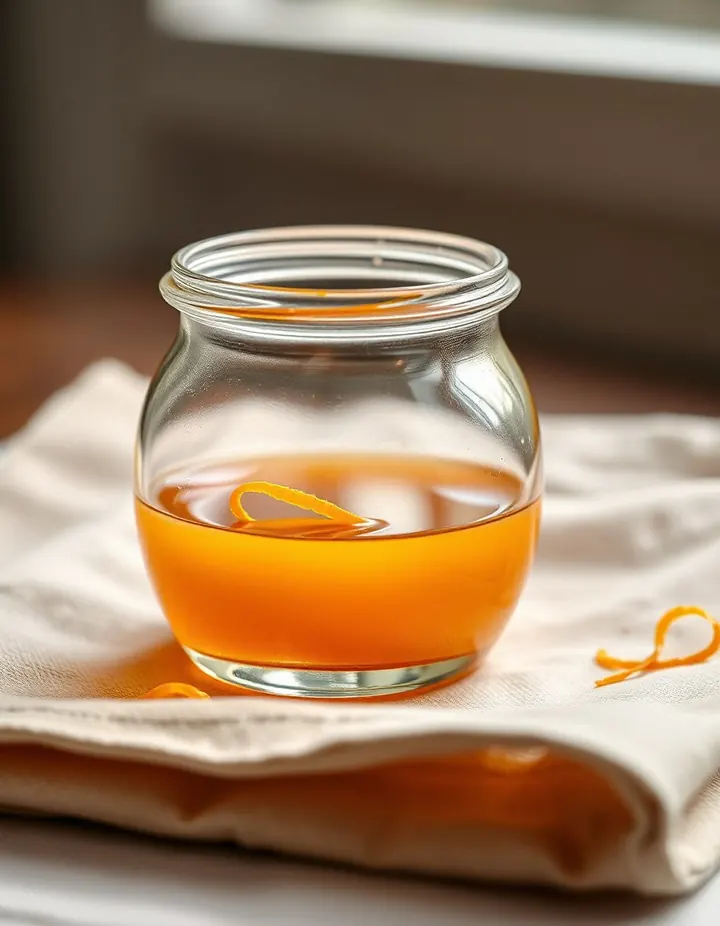 Orange Syrup47 recipes
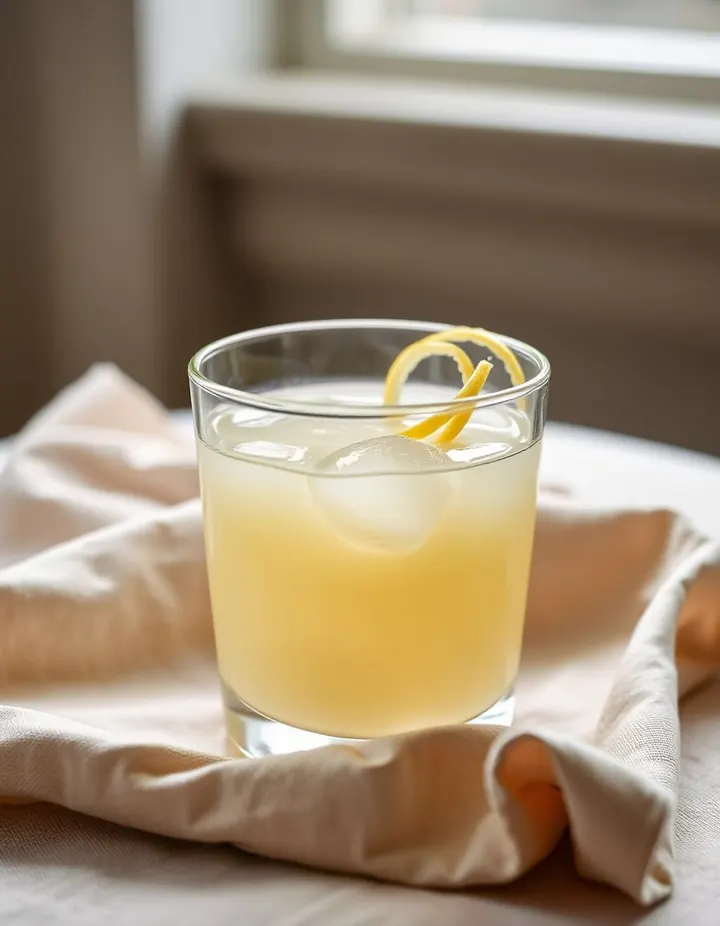 Lemon Whey33 recipes
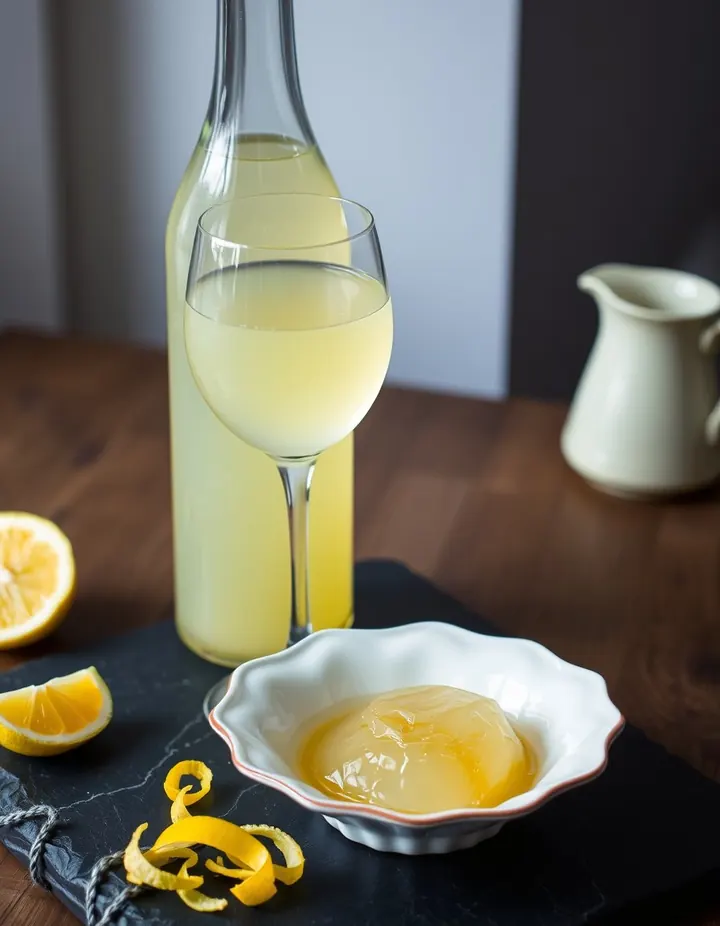 Lemon Wine31 recipes
 Orange Water Ice28 recipes
The free Flavor Lab newsletter: one surprising pairing a week and the molecular reason it works, in 60 seconds. No spam, unsubscribe anytime.
Prefer an account? Create a free account to save pairings and unlock the full chemistry.