First Principles
Ingredients
Directions
There is no one thing upon which health and comfort in a family so much depend as upon good bread. Without it the meal is a failure, and the most luxurious table incomplete. With it other imperfections are forgotten. Verily, it is the " staff of life."
If importance entitles a thing to a high place, bread-making should stand foremost in the science of cooking. It is not pleasant to think or write about it, but it is a stubborn fact that upon thousands of tables in othenvise comfortable homes good bread is an unknown phenomenon. A phenomenon (because it would be indeed a marvelous estrangement of cause and effect) were indifferent flour, unsk;llfully mixed with flat yeast, badly risen and negligently baked, to result in that pride of the good housekeeper — light, sweet, wholesome bread.
There are households where sour, stiff bread is a rule, varied semi- occasionally with soda, clammy biscuit-rolls and muffins. In other households the bread is invariably over-risen and consequently taste- less. Sometimes it is slightly acid. And there are still other homes in which " home-made " bread is not used at all, because to make it is so troublesome, uncertain a task that the wife prefers to feed her fam- ily upon the bakery sponges, which are flavorless and "dry as a chip" when a day old ; and some bread is fifty or sixty per cent, of water, which is added to the flour with the leavening matter.
There are many recipes for making good bread. Skeptics say it can't be made by rule. They are mistaken. It can. They put their material together any way it happens, have as good "luck " as most of their neighbors and are content. The baking they lay upon the shoulders of the great god of chance. The deficiencies of the compla- cent cook, cheap flour and lazy housekeepers, are at the bottom of more accidents in the bread line than in anything else. From inferior grades of flour it is possible to make tolerable biscuit, griddle cakes, pie and pastry, but not bread. Let it be understood once for all that poor flour is poor economy.
Now let us make some bread by rule :
380 BREAD-MAKING.
Take two teacups of boiling water and stir in enough flour to make a thin batter. Pour in a quart of cold water, add one teacup of baker's yeast, a tablespoonful of salt and four tablespoonfuls of melted lard; add enough flour to make a thick batter. The temperature of the place for the bread to rise in should be seventy degrees. Let the sponge stand for three hours, but not near a heated stove. At the end of the three hours, knead in all the flour it will mix without sticking to the hands and knead it ten minutes. Let it stand again in the same tem- perature an hour to rise. Knead again a little, mold and put it in your bread-pan. Let it rise until the corners are filled and the dough is nearly even with the edges of the bread-pan.
To bake it well, the temperature of the oven should be about 212 degrees. Place your bread in the oven with a large pan turned over it so as not to hinder its rising, and bake three-quarters of an hour.
When to eat it : Never when it is warm. It is better far, for health, not to cut into a loaf until it is six hours old. In Prussia bread is not eaten until it is twenty-four hours old, and increased vigor in American people would follow the adoption of the same rule.
Nutrition, whole recipe (rough)
Counts 3 of 4 ingredients. The other 1 aren't in our nutrition table and add nothing above, so the real totals are higher.
What these numbers assume: 3 portions
| Ingredient | Portion assumed | kcal |
|---|---|---|
| Flour | 1 cup (125g) all-purpose | 455 |
| Lard | 1 tbsp (12.8g) | 115 |
| Salt | 1 tsp (6g) | 0 |
| Water | not in our table | 0 |
One typical portion per ingredient; the recipe's quantities are not counted. A rough guide only, not for medical or dietary planning.
Transcribed from a scanned cookbook and modernised for today's kitchens. Where the book gave no heat or time, or said "a moderate oven", the temperatures and times here may be modern equivalents rather than the book's own figures. See the original page.
More bread recipes
You might also like
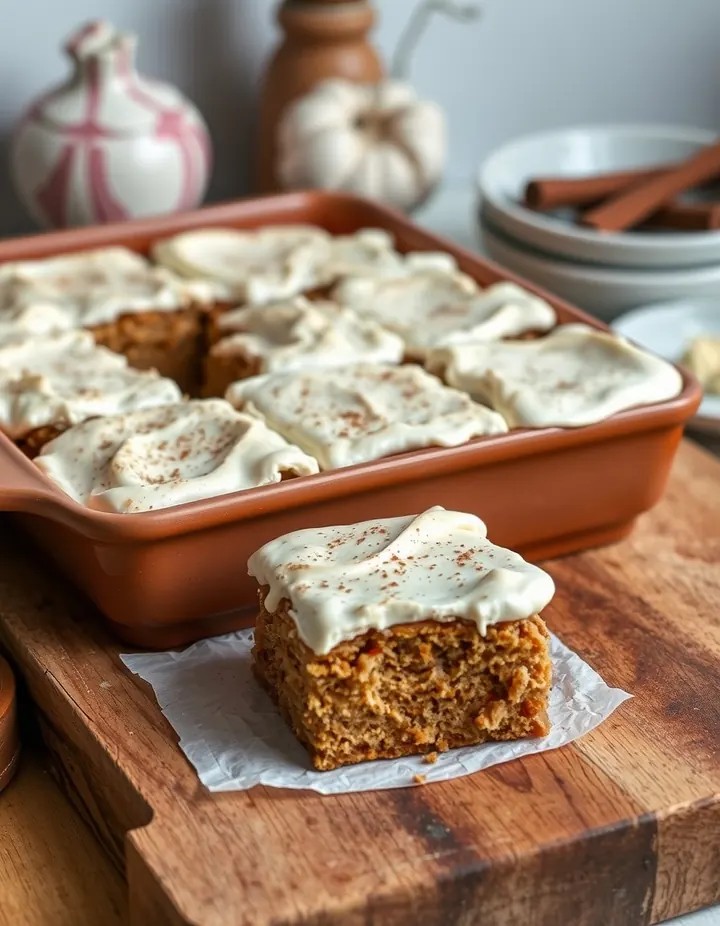 Spanish Bun44 recipes
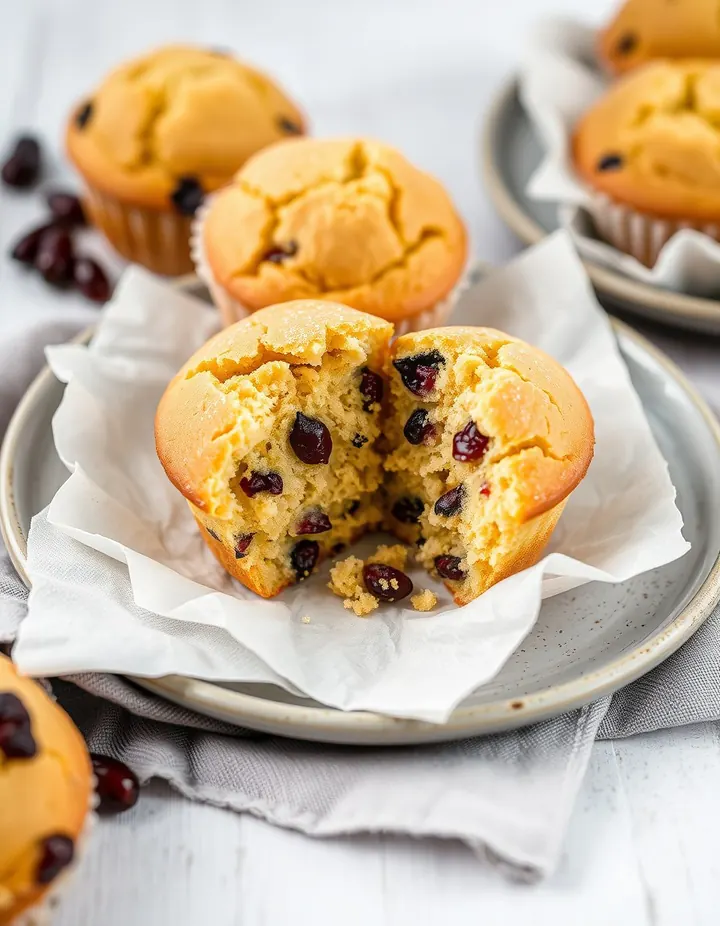 Queen Cake41 recipes
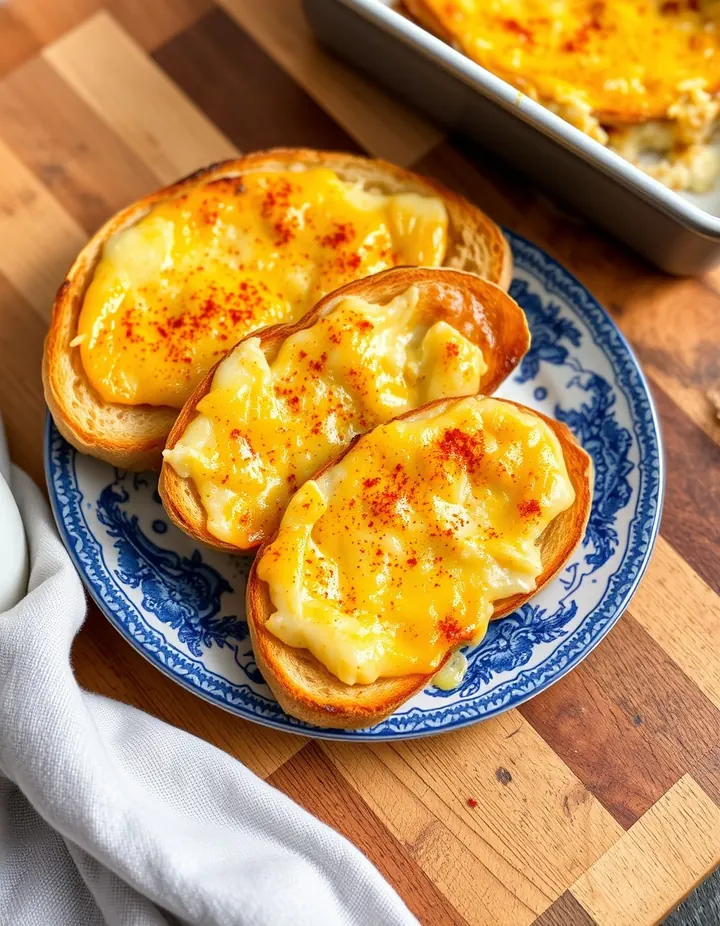 Cheese Toast38 recipes
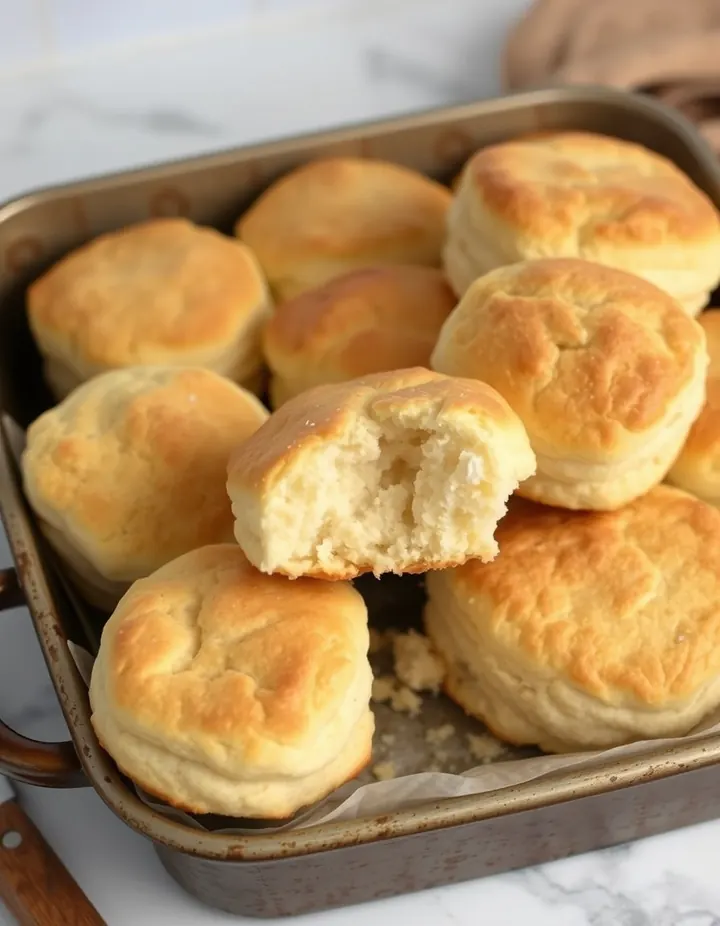 Raised Yeast Biscuits34 recipes
The free Flavor Lab newsletter: one surprising pairing a week and the molecular reason it works, in 60 seconds. No spam, unsubscribe anytime.
Prefer an account? Create a free account to save pairings and unlock the full chemistry.