Directions for Frosting
Ingredients
Directions
Make the frosting
Break the eggs into a flat dish and beat with a fork.
Beat until stiff, then add the sugar and flavoring last, or add the sugar before the eggs are beaten and beat all together.
Use ten heaping spoonfuls of pulverized sugar to the white of one egg, which is a good proportion.
If the eggs do not heat quickly, put in a pinch of salt.
If the frosting is too stiff to spread nicely, dip the knife in cold water.
If the flavor is acid, put in a little more sugar than for other flavorings.
Prepare the cake
Be sure all is thoroughly beaten before taking the cake from the oven.
If the cake is rough or brown when baked, dust on a little flour and rub off all loose particles with a cloth.
Place the cake on an inverted milk-pan so it can be handled and the frosting put on more evenly, then spread the frosting on the sides.
Frost and set
Put on the frosting and rub it smoothly down with a knife.
Let stand a moment in the oven or hot sun to set, but do not let it brown.
Put on any ornaments, such as raisins, nuts or candies, while the icing is moist.
Make boiled frosting
For boiled frosting, to one cup of sugar add the white of one egg, cover the sugar with water, and let it boil without stirring until it ropes.
Beat the egg white, and when the sugar has boiled sufficiently, stir it into the egg white and continue stirring until cool.
If boiled too much, the frosting is inclined to dry before cooling; remedy this by adding a drop or two of hot water.
Nutrition, whole recipe (rough)
What these numbers assume: 2 portions
| Ingredient | Portion assumed | kcal |
|---|---|---|
| Sugar | 1 tbsp (12.5g) granulated | 49 |
| Salt | 1 tsp (6g) | 0 |
One typical portion per ingredient; the recipe's quantities are not counted. A rough guide only, not for medical or dietary planning.
Transcribed from a scanned cookbook and modernised for today's kitchens. Where the book gave no heat or time, or said "a moderate oven", the temperatures and times here may be modern equivalents rather than the book's own figures. See the original page.
Explore the science
What each ingredient does
- Eggs (in the method)
- Beaten whites trap air and form the stiff foam that gives the frosting its structure.
- Pulverized sugar
- Sweetens the frosting and, as it dissolves into the whites, helps it hold a smooth, spreadable body.
- Sugar
- Sweetens the boiled frosting and, once dissolved in water and boiled, sets it into a glossy, firm coating.
The step that matters
Beat the whites until stiff before adding sugar. Sugar added to underbeaten whites weakens foam stability, and whites that are not fully whipped will not hold air. Thorough beating gives a frosting that spreads smoothly and sets rather than weeping or staying soft.
“What each ingredient does” and “The step that matters” were written by Claude from this recipe’s own method and reviewed in samples by CompKitchen.
You might also like
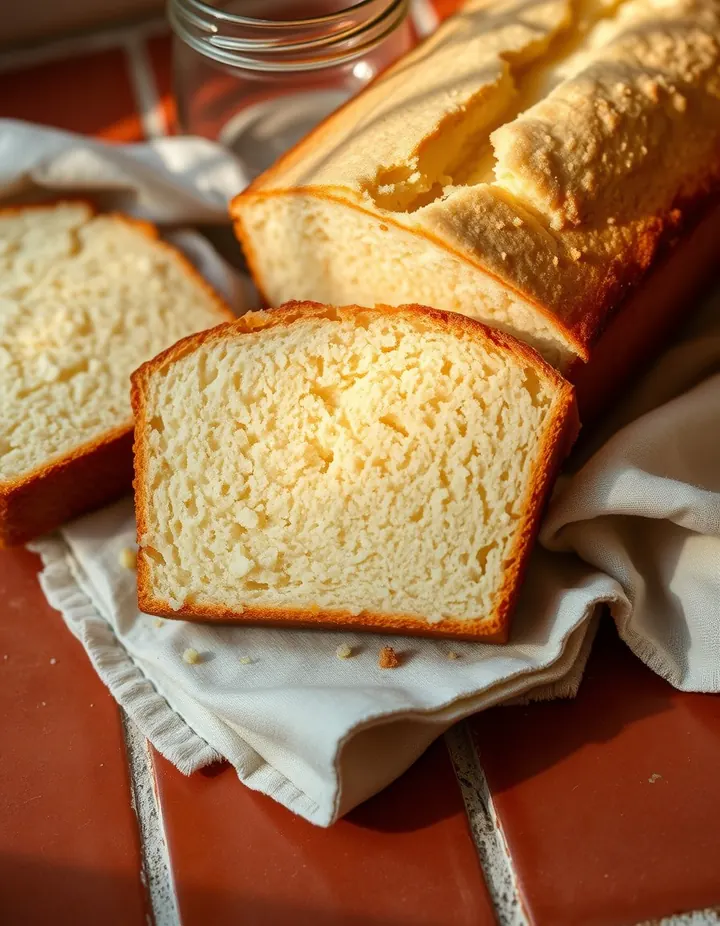 Delicate Cake246 recipes
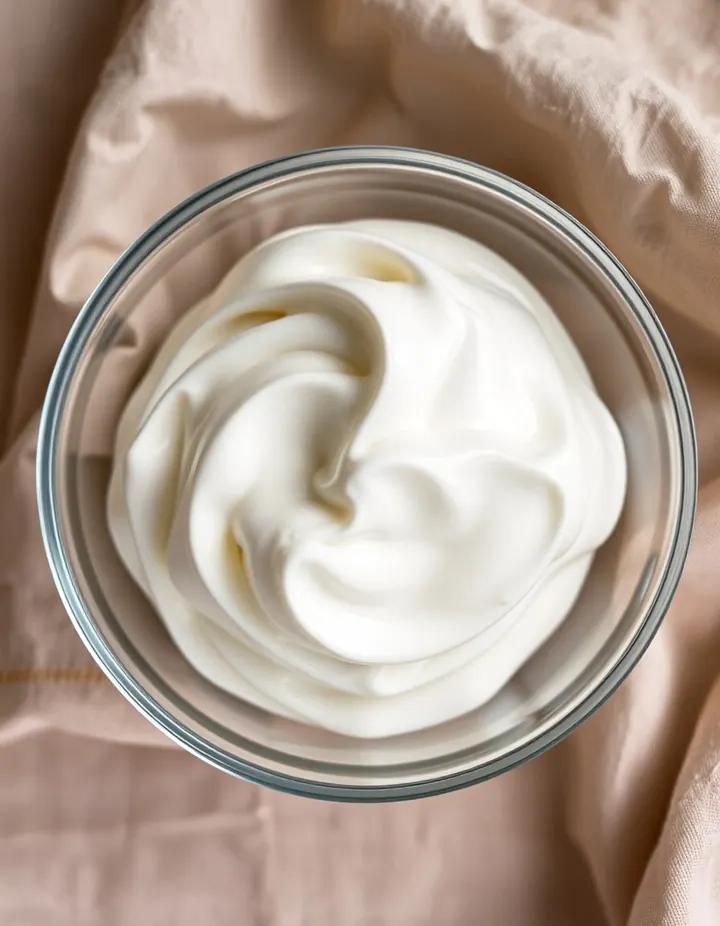 Boiled Frosting69 recipes
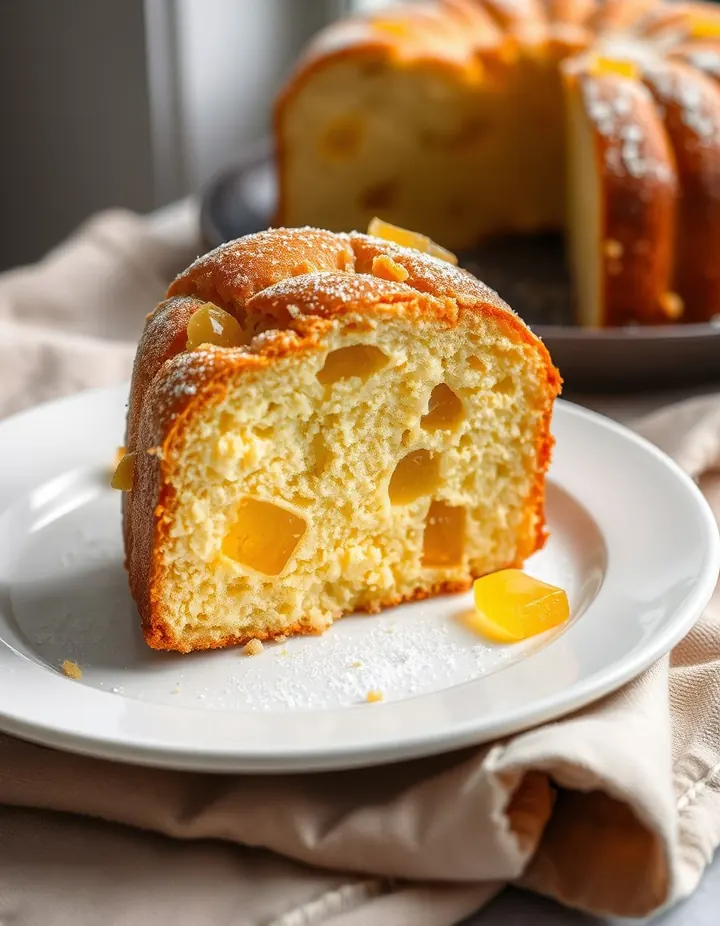 Citron Cake68 recipes
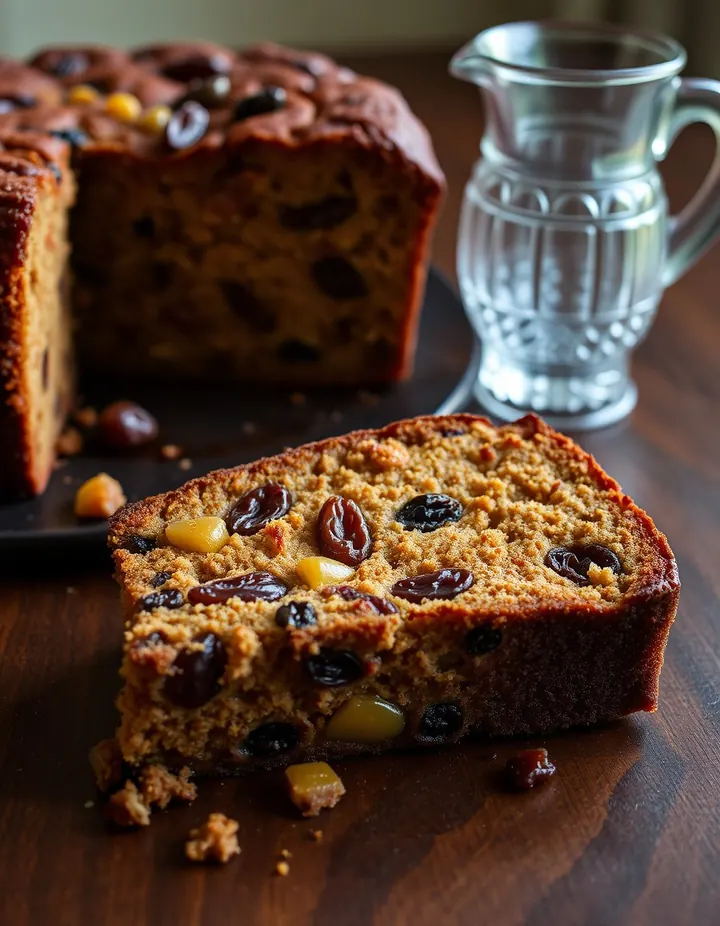 Scotch Cake63 recipes
The free Flavor Lab newsletter: one surprising pairing a week and the molecular reason it works, in 60 seconds. No spam, unsubscribe anytime.
Prefer an account? Create a free account to save pairings and unlock the full chemistry.