Why it works: Sugar and cream are a kitchen classic. They rank in the top 9% of all ingredient pairs, and cooks put them together in 43,450 recipes. Both carry 2,3-butanedione, which smells butter, sweet. The science ↓
Candy Making
Ingredients
Directions
Make the syrup
Reduce sugar to a syrup by adding water to sugar in the proportion of a pint and a half of water to three and a half pounds of sugar.
Put the mixture in a marbleized saucepan and boil for ten minutes.
Test the syrup by dropping a spoonful into a bowl of water, snow, or ice; when it falls to the bottom and can be made into a ball, it is ready.
If it snaps, add a little water and boil again, ensuring it does not become too brittle.
Add a pinch of cream of tartar to check for tendency to crystallize.
When the sugar is boiled just right, set it off to cool.
Shape the candy
When cool enough to pull with a finger, pull into sticks or into one solid mass like that bought at the confectioners.
Form flat sticks by pouring the candy into long, flat pans and, when cooling, crease the mass so it breaks into sticks when cold.
If hands are slightly greased, the candy will not stick.
For molasses candy, get the best molasses (not syrup) and add one pound of white sugar to a quart of molasses.
Boil until it snaps like glass when dropped into water.
Add a teaspoonful of vinegar and a pinch of soda; stir well.
Remove from stove, cool a moment, and pour into greased platters.
Set out to cool, and with a knife keep the edges turned in so all will be cool and ready to pull at the same time.
For nut candies, use the same mixture before it becomes brittle; place meats in shallow tins and pour the candy over them.
Before quite cold, slash with a knife so it will break into oblong pieces or squares.
Macaroons and kisses
For macaroons or kisses, use washed butter to grease tins; salted butter or lard gives an unpleasant taste.
Bake in a moderate oven, or let dry two hours in a cool oven.
Greased writing paper is often used instead of tins.
After buttering, sprinkle lightly with flour, brush off, and put on the macaroons or kisses.
When powdered almonds are to be used, dry them thoroughly in an open oven after blanching, then they will pulverize more easily.
Nutrition, whole recipe (rough)
What these numbers assume: 4 portions
| Ingredient | Portion assumed | kcal |
|---|---|---|
| Molasses | 1 tbsp (20g) | 58 |
| Cream | 1 tbsp (15ml) heavy | 51 |
| Sugar | 1 tbsp (12.5g) granulated | 49 |
| Vinegar | 1 tbsp (15ml) distilled | 3 |
One typical portion per ingredient; the recipe's quantities are not counted. A rough guide only, not for medical or dietary planning.
Transcribed from a scanned cookbook and modernised for today's kitchens. Where the book gave no heat or time, or said "a moderate oven", the temperatures and times here may be modern equivalents rather than the book's own figures. See the original page.
Explore the science
The flavor team
The pairs that carry this dish. Each one is judged two ways: how much their aromas overlap, and how often cooks already put them together.
-
Sugar + creamtop 9% of all pairsSmell alikemoderateCooked together43,450 recipes
Shared aroma: 2,3-butanedione (butter, sweet).
-
Sugar + molassestop 11% of all pairsSmell alikemoderateCooked together9,225 recipes
Shared aroma: ethanol (alcoholic, ethereal).
-
Sugar + vinegartop 15% of all pairsSmell alikemoderateCooked together20,806 recipes
Shared aroma: beta-damascenone (apple, rose).
-
Cream + molassestop 20% of all pairsSmell alikelowCooked together1,408 recipes
Shared aroma: ethanol (alcoholic, ethereal).
-
Cream + vinegartop 25% of all pairsSmell alikemoderateCooked together4,064 recipes
Shared aroma: acetic acid (sour, vinegar).
Ranks compare each pair with 20,000 random ingredient pairs on CompKitchen. How we score pairs
What each ingredient does
- Sugar
- Forms the sweet base; boiling it to the right stage sets the candy's texture.
- Molasses
- Adds flavour and a darker, chewier body to the candy.
- Cream of tartar
- Acid that helps discourage the sugar from crystallizing into grains.
- Vinegar
- Acid that helps keep the sugar smooth and softens the candy's texture.
- Soda
- Reacts with the acid to lighten the candy and make it more tender.
The step that matters
Testing the syrup stage. Sugar boiled too little stays soft and sticky, while boiling too long makes it brittle. The cold-water test shows when the syrup has reached the right concentration, so it is checked before cooling.
“What each ingredient does” and “The step that matters” were written by Claude from this recipe’s own method and reviewed in samples by CompKitchen.
You might also like
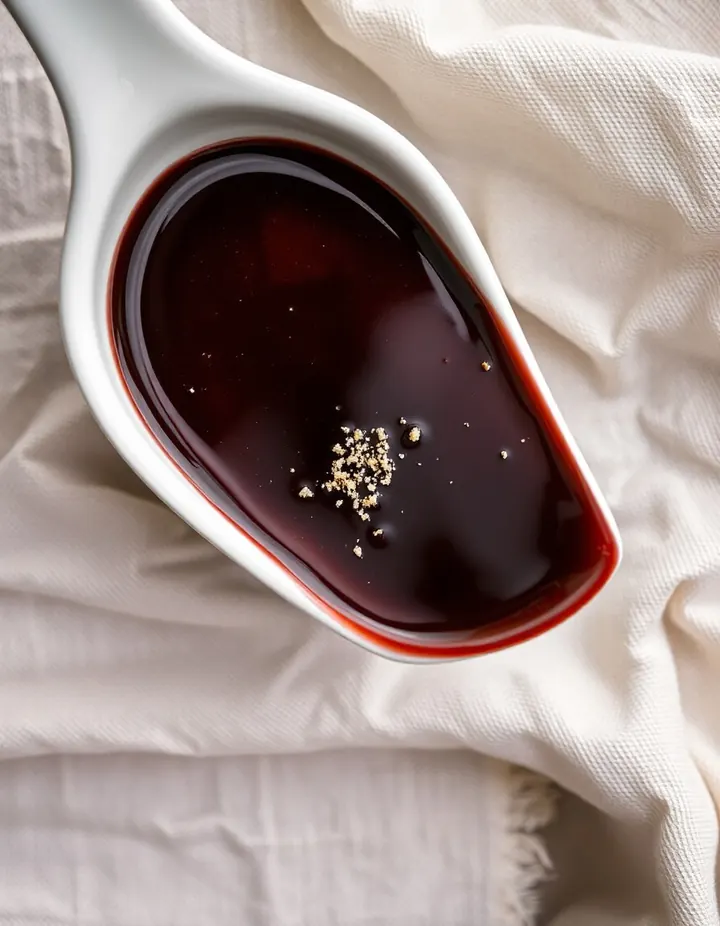 Wine Sauce (for stewed fruit)186 recipes
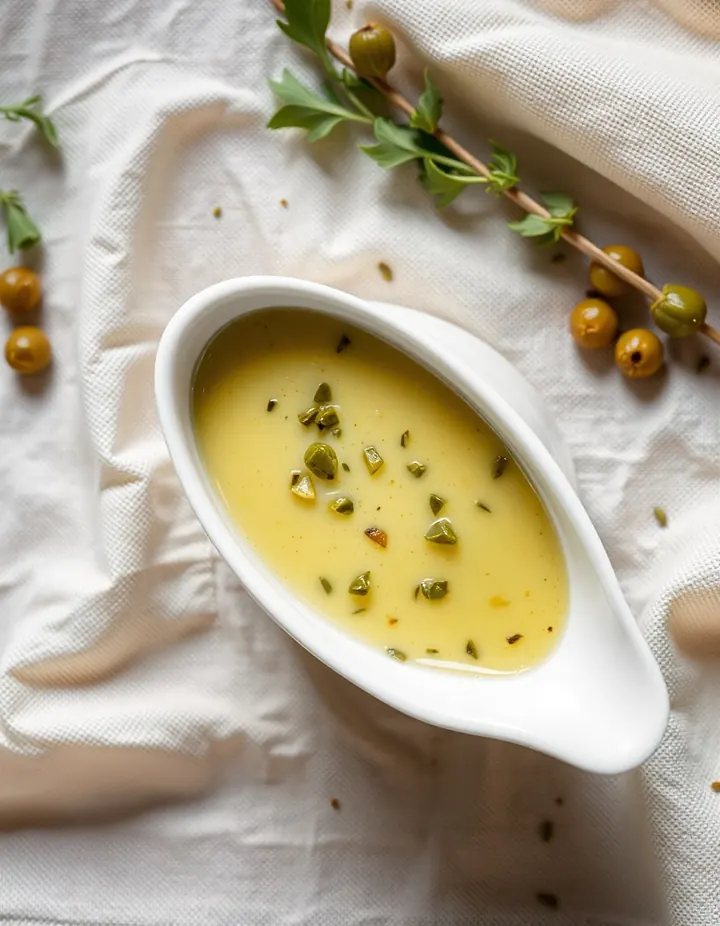 Caper Sauce180 recipes
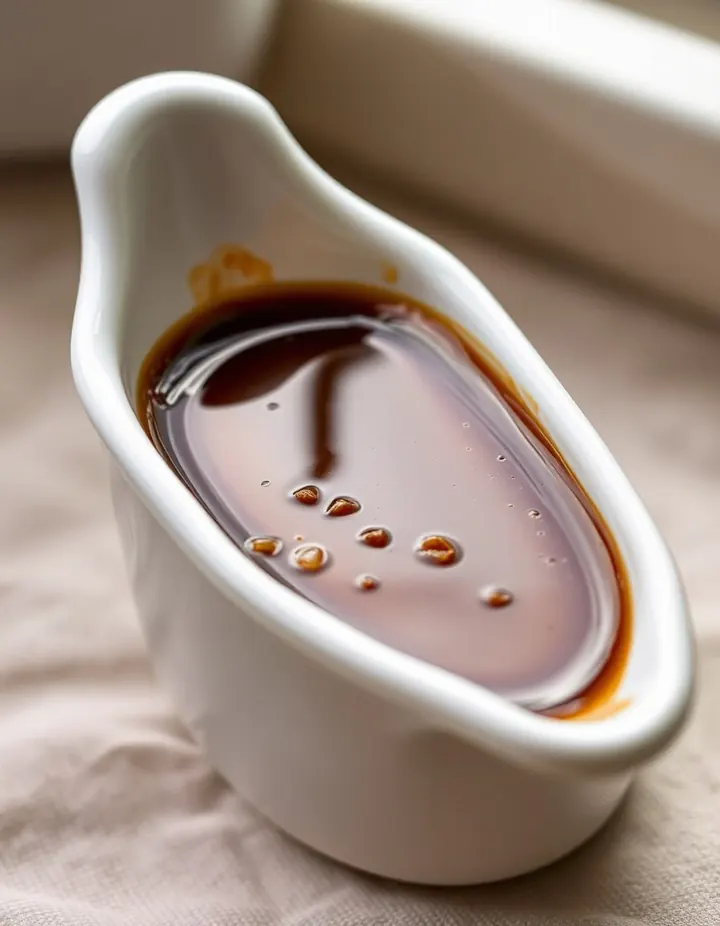 Brown Sauce141 recipes
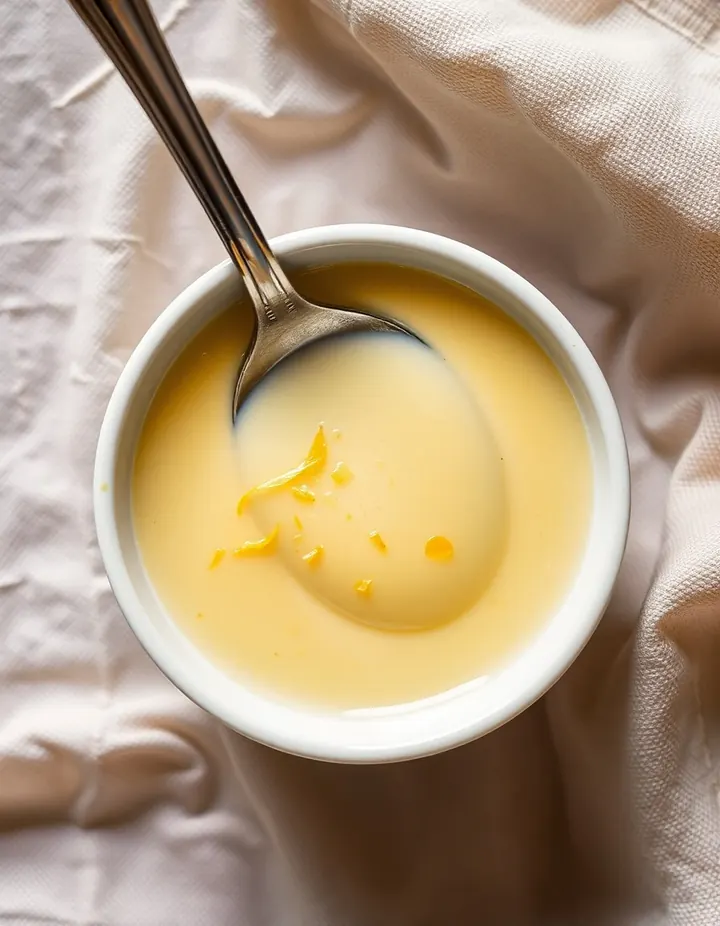 Dutch Sauce74 recipes
The free Flavor Lab newsletter: one surprising pairing a week and the molecular reason it works, in 60 seconds. No spam, unsubscribe anytime.
Prefer an account? Create a free account to save pairings and unlock the full chemistry.