Why it works: Almond and orange are a kitchen classic. They rank in the top 6% of all ingredient pairs, and cooks put them together in 3,125 recipes. Both carry 2,4-decadienal, which smells seaweed. The science ↓
Effervescing Soda
Ingredients
Directions
Make the soda
Mix half a teaspoonful of powdered bicarbonate of soda thoroughly with two tablespoonfuls of syrup of any flavor to suit the taste.
Add six or eight times as much cold water.
While stirring, mix in half a teaspoonful of powdered tartaric acid.
Drink at once, as this is for immediate consumption.
Bottle for later
For bottling, mix the syrup, flavor and water in the usual proportions and fill into bottles.
Put half a drachm each of crystallized bicarbonate of potassa and crystallized tartaric acid into each bottle and cork immediately.
For wine bottles, use double the quantity.
Nutrition, whole recipe (rough)
Counts 3 of 6 ingredients. The other 3 aren't in our nutrition table and add nothing above, so the real totals are higher.
What these numbers assume: 3 portions
| Ingredient | Portion assumed | kcal |
|---|---|---|
| Orange Flower | 1 medium (131g) | 62 |
| Sugar | 1 tbsp (12.5g) granulated | 49 |
| Almond | 1 almond (1.2g) | 7 |
| Syrup | not in our table | 0 |
| Water | not in our table | 0 |
| Rose | not in our table | 0 |
One typical portion per ingredient; the recipe's quantities are not counted. A rough guide only, not for medical or dietary planning.
Transcribed from a scanned cookbook and modernised for today's kitchens. Where the book gave no heat or time, or said "a moderate oven", the temperatures and times here may be modern equivalents rather than the book's own figures. See the original page.
Explore the science
The flavor team
The pairs that carry this dish. Each one is judged two ways: how much their aromas overlap, and how often cooks already put them together.
-
Almond + orangetop 6% of all pairsSmell alikemoderateCooked together3,125 recipes
Shared aroma: 2,4-decadienal (seaweed).
-
Syrup + sugartop 6% of all pairsSmell alikestrongCooked together5,842 recipes
Shared aroma: ethanol (alcoholic, ethereal).
-
Orange + rosetop 10% of all pairsSmell alikelowCooked together876 recipes
Shared aroma: beta-damascenone (apple, rose).
-
Almond + rosetop 11% of all pairsSmell alikelowCooked together1,465 recipes
Shared aroma: eucalyptol (eucalyptus, herbal).
-
Almond + sugartop 18% of all pairsSmell alikemoderateCooked together15,679 recipes
Shared aroma: 1-penten-3-one (fish, pungent).
Ranks compare each pair with 20,000 random ingredient pairs on CompKitchen. How we score pairs
What each ingredient does
- Bicarbonate of soda
- Reacts with tartaric acid to release carbon dioxide, creating the effervescence.
- Tartaric acid
- Acid that reacts with the bicarbonate to produce the fizz and a sharp, tart taste.
- Syrup
- Adds sweetness and flavor to the drink and carries the bicarbonate evenly through the water.
The step that matters
Mixing the acid while stirring. The bicarbonate and tartaric acid react as soon as they meet, releasing carbon dioxide gas. Stirring the acid in spreads the reaction evenly so the gas stays dissolved and the drink fizzes well, and the drink should be consumed at once before the gas escapes.
Swap the orange
How well each one fits the dish's main ingredients (syrup, almond, rose, sugar):
- Vanillafits better
- Raisinfits better
- Figfits about as well
- Orangethe original
Fit is the average pairing score against syrup, almond, rose, sugar. Candidates are from the same food group and used in at least 100 recipes.
“What each ingredient does” and “The step that matters” were written by Claude from this recipe’s own method and reviewed in samples by CompKitchen.
You might also like
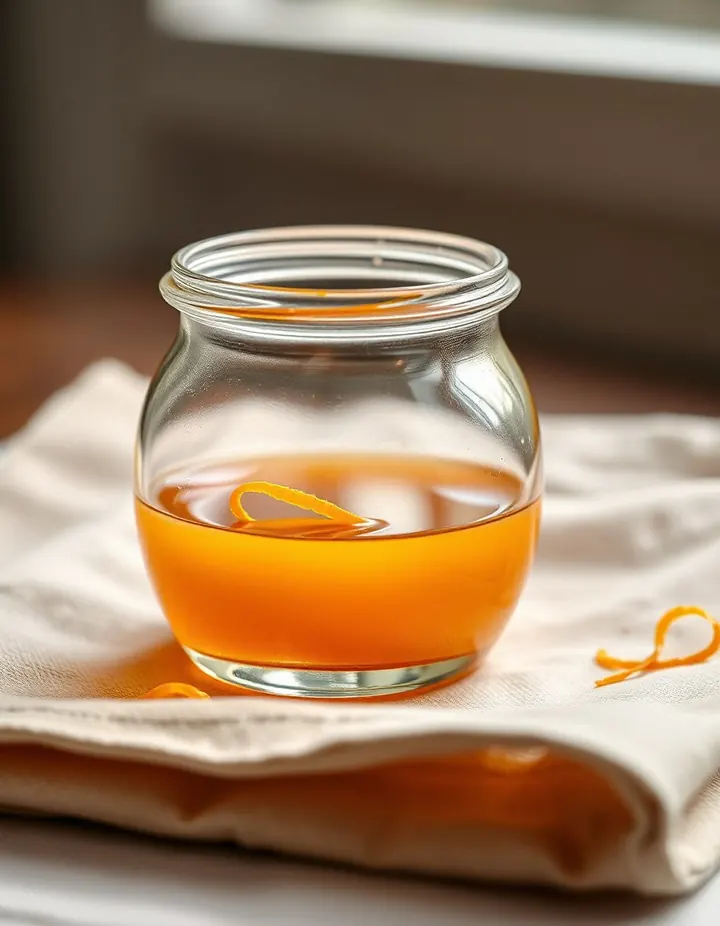 Orange Syrup47 recipes
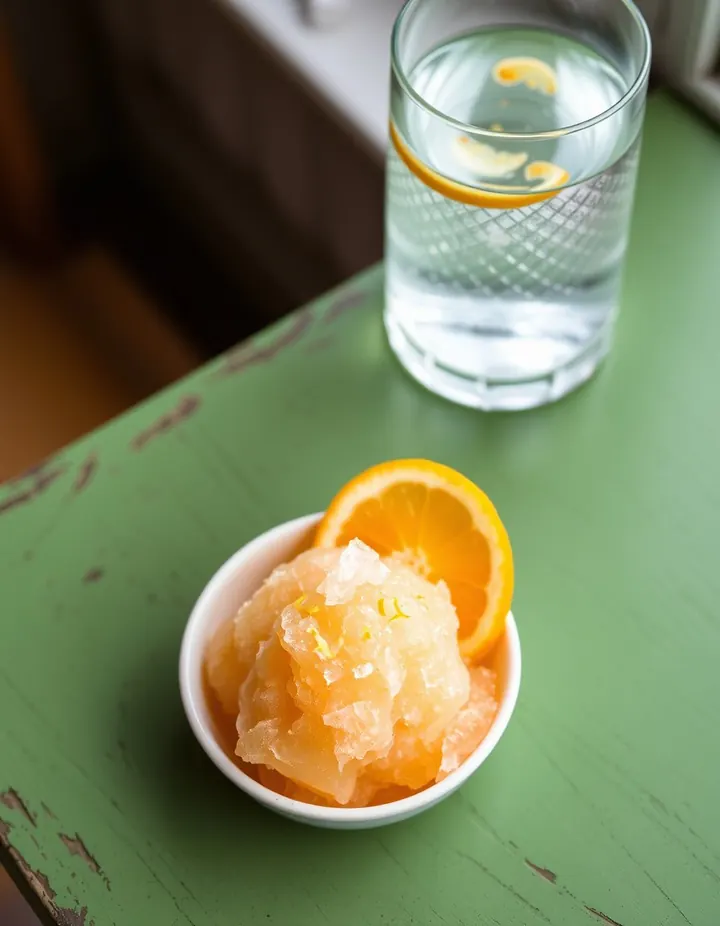 Orange Water Ice28 recipes
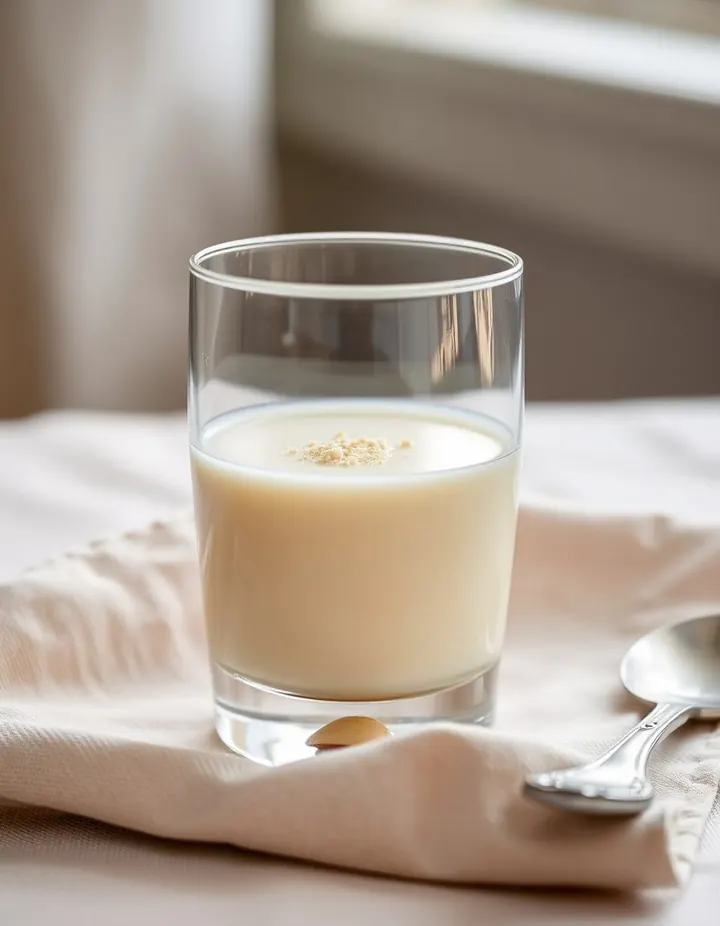 Almond Milk18 recipes
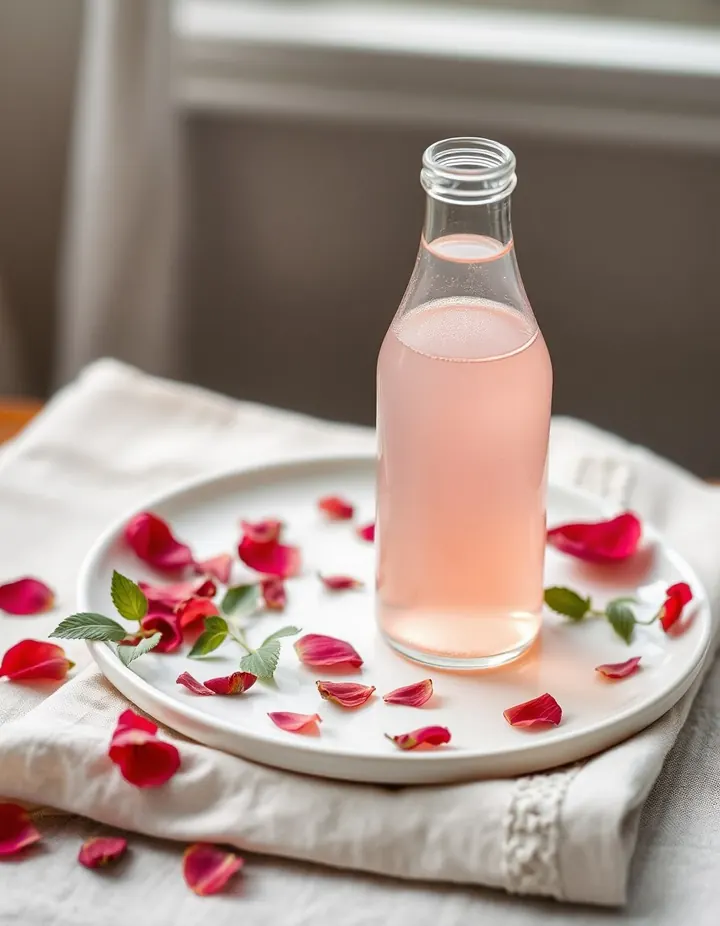 Rose Water17 recipes
The free Flavor Lab newsletter: one surprising pairing a week and the molecular reason it works, in 60 seconds. No spam, unsubscribe anytime.
Prefer an account? Create a free account to save pairings and unlock the full chemistry.