Why it works: Butter and milk are a kitchen classic. They rank in the top 7% of all ingredient pairs, and cooks put them together in 81,283 recipes. Both carry (z)-4-heptenal, which smells biscuit, cream. The science ↓
Dutch Cheese
Ingredients
Directions
Make the curd
Mix the milk in the following proportions: one-half thick milk, one-fourth sweet milk, and one-fourth good buttermilk.
Scald slowly in iron or tin until you can remove the curd with a skimmer without breaking.
Place a colander over a pail with a linen strainer to receive the cheese, then dip and drain.
Season with salt according to taste and tie all up.
When formed in a ball, remove the cloth, place the cheese on a plate, rub the surface with butter, and slice as other cheese for the table.
Bake and serve
In a separate bowl, mix five eggs, three ounces of butter, three or four ounces of cheese, and one gill of cream.
Combine the mixture with the cheese and bake for twenty minutes in shapes made of writing paper.
Add more or less cheese as desired for richness.
Nutrition, whole recipe (rough)
What these numbers assume: 6 portions
| Ingredient | Portion assumed | kcal |
|---|---|---|
| Milk | 1 cup (244ml) whole | 149 |
| Cheese | 1 oz (28g) cheddar | 113 |
| Butter | 1 tbsp (14g) | 102 |
| Egg | 1 large egg (50g) | 78 |
| Cream | 1 tbsp (15ml) heavy | 51 |
| Salt | 1 tsp (6g) | 0 |
One typical portion per ingredient; the recipe's quantities are not counted. A rough guide only, not for medical or dietary planning.
Transcribed from a scanned cookbook and modernised for today's kitchens. Where the book gave no heat or time, or said "a moderate oven", the temperatures and times here may be modern equivalents rather than the book's own figures. See the original page.
Explore the science
The flavor team
The pairs that carry this dish. Each one is judged two ways: how much their aromas overlap, and how often cooks already put them together.
-
Butter + milktop 7% of all pairsSmell alikemoderateCooked together81,283 recipes
Shared aroma: (z)-4-heptenal (biscuit, cream).
-
Butter + creamtop 8% of all pairsSmell alikemoderateCooked together41,516 recipes
Shared aroma: delta-dodecalactone (sweet, creamy).
-
Butter + cheesetop 8% of all pairsSmell alikemoderateCooked together7,962 recipes
Shared aroma: delta-dodecalactone (sweet, creamy).
-
Cream + buttermilktop 10% of all pairsSmell alikemoderateCooked together674 recipes
Shared aroma: ethanol (alcoholic, ethereal).
-
Cheese + milktop 10% of all pairsSmell alikemoderateCooked together4,426 recipes
Shared aroma: delta-dodecalactone (sweet, creamy).
Ranks compare each pair with 20,000 random ingredient pairs on CompKitchen. How we score pairs
What each ingredient does
- Eggs
- Set the mixture and add structure to the baked cheese.
- Butter
- Adds richness and fat, giving a softer texture and flavor.
- Cream
- Adds moisture and richness, keeping the baked mixture tender.
- Cheese
- Provides the main flavor and body of the dish.
The step that matters
Scalding the curd. Heating too fast or too hard can toughen or break the curd, so it should be scalded slowly until it holds together and can be lifted cleanly with a skimmer.
“What each ingredient does” and “The step that matters” were written by Claude from this recipe’s own method and reviewed in samples by CompKitchen.
You might also like
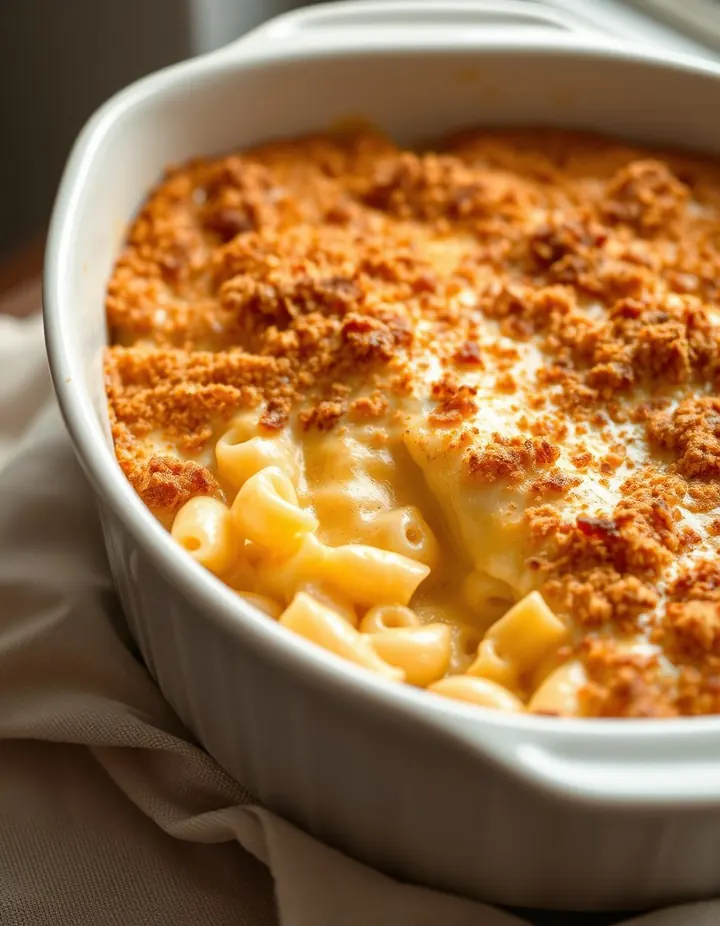 Macaroni and Cheese102 recipes
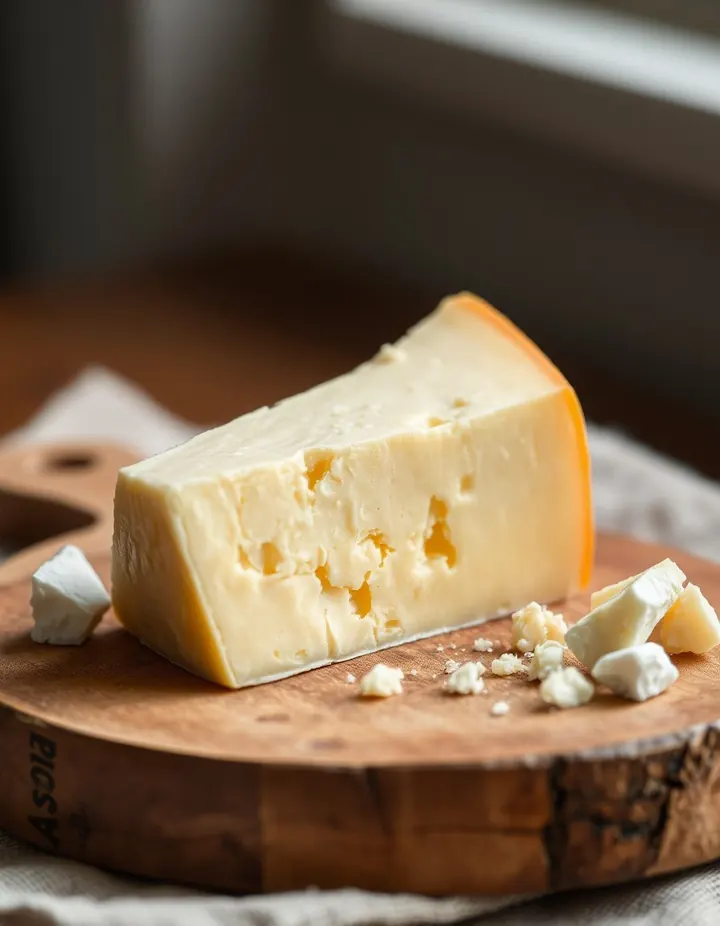 Cheese Making50 recipes
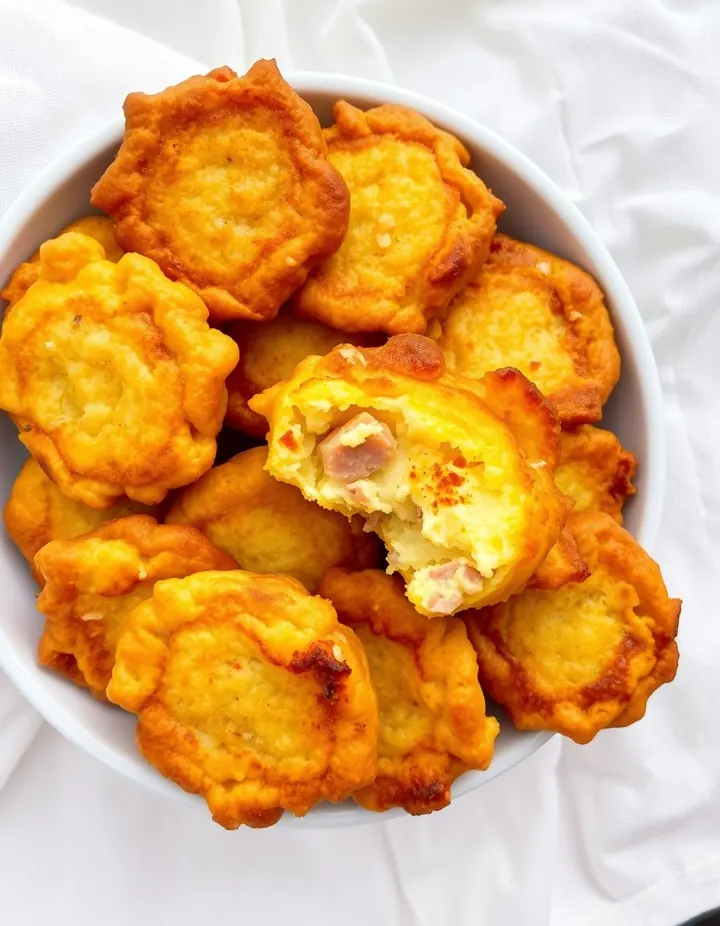 Cheese Fritters34 recipes
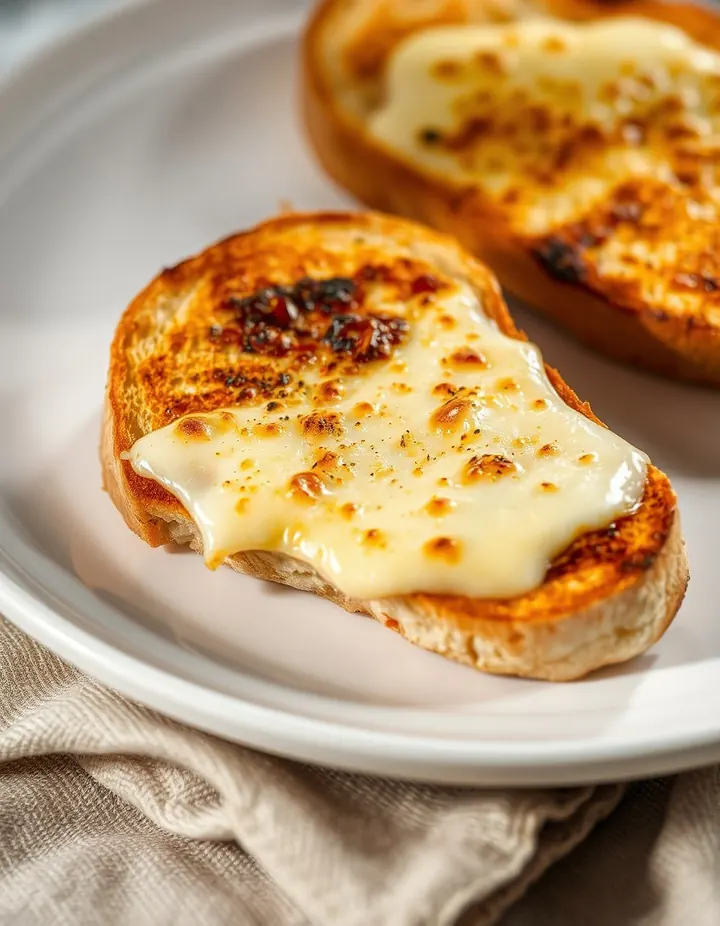 Cheese Omelette31 recipes
The free Flavor Lab newsletter: one surprising pairing a week and the molecular reason it works, in 60 seconds. No spam, unsubscribe anytime.
Prefer an account? Create a free account to save pairings and unlock the full chemistry.