Why it works: Cream and sugar are a kitchen classic. They rank in the top 9% of all ingredient pairs, and cooks put them together in 43,450 recipes. Both carry 2,3-butanedione, which smells butter, sweet. The science ↓
Green Corn, Peas, and Beans
Ingredients
Directions
Choose and prepare
Select young, tender, well-filled ears of corn from which the milk spurts when the grain is broken with the finger nail.
Choose beans and peas that are green, plump, snap crisply when broken, and have unshriveled stems.
Cook green corn, peas, and beans on the day they are gathered when possible.
Baked corn
For Baked Corn, select fresh ears of tender corn of nearly equal size. Open the husks and remove all the silk from the corn.
Replace and tie the husks around the ears with a thread. Put the corn in a hot oven and bake thirty minutes or until tender. Remove the husks before serving.
For Baked Corn No. 2, scrape enough corn from the cob to make one and a half quarts. Put the corn into a baking dish and season with salt if desired.
Add enough milk, part cream if convenient, barely to cover the corn. Bake in a hot oven twenty-five or thirty minutes.
Boiled and stewed corn
For Boiled Green Corn, remove the husks and every thread of the silk. Place the ears in a kettle, larger ears at the bottom, with sufficient boiling water nearly to cover.
Cover with the clean inner husks and cook twenty to thirty minutes, according to the age of the corn. Try a kernel; when the milk has thickened and no raw taste remains, it is sufficiently cooked.
Remove from the kettle, place in a heated dish, cover with a napkin, and serve at once on the cob.
For Stewed Corn Pulp, cut a thin shaving from each row of kernels or score each kernel. Scrape out the pulp with the back of the knife, leaving the hulls on the cob.
Heat a cup and a half of rich milk to boiling, add the corn, and cook twenty or thirty minutes. Season with salt and a teaspoonful of sugar if desired.
Corn cakes, pudding and roasting
For Corn Cakes, add two well-beaten eggs and two tablespoonfuls of flour to a pint of corn pulp. Season with salt if desired and brown on a griddle.
For Corn Pudding, mix the corn with a pint of the milk and heat it to boiling. Break the eggs into the remainder of the milk and add it to the corn. Turn all into an oiled pudding dish and bake slowly until the custard is well set.
For Roasted Green Corn, remove the husks and silk and place the corn before an open grate or in a wire broiler over hot coals until the kernels burst open, or bury in hot ashes without removing the husks. Score the grains and serve from the cob.
Stewed corn, succotash and dried corn
For Stewed Green Corn, cut the corn from the cob and scrape off all the pulp with the back of the knife. Put into a stewpan with half as much water as corn, cover closely, and stew gently until thoroughly cooked, stirring frequently.
Add cream or milk to make the requisite amount of juice and season with salt if desired.
For Summer Succotash, cook equal quantities of shelled beans and corn cut from the cob until tender, then mix them; or cook the beans until nearly soft, add an equal quantity of shaved corn, and cook fifteen or twenty minutes or longer. Season with cream and salt if desired.
For Dried Corn, cut the fleshy portion from the cob and press the remaining pulp from the cob with the back of the knife. Spread thinly on plates and put into an oven hot enough to scald, not scorch, turning and stirring frequently with a fork for a half hour or more.
Once thoroughly scalded, place in a moderate oven, stirring occasionally, until dry, about forty-eight hours; or dry in a single afternoon in a rather hot oven, watching that it does not scorch. When needed, soak overnight and cook as for Stewed Corn or Succotash, allowing a longer time.
Peas and beans
For Stewed Peas, pick and shell the peas; if from the market, wash the pods before shelling. Sift the shelled peas in a colander to remove fine particles and undeveloped blossoms.
If not of equal growth, sort the peas and put the older ones to cook ten minutes before the others. Use a porcelain kettle with one half pint of boiling water for each quart of peas if young and tender; older peas need more.
Cover closely and simmer gently till tender, about twenty-five to thirty minutes for young peas, or forty to fifty minutes for older ones. Serve without draining, season with salt and enough sweet cream to make them as juicy as desired. If preferred, thicken the juice with a little flour.
For Lima Beans, shell, wash, cover with boiling water, and cook about one hour or until tender. Let the water nearly evaporate, add milk or cream thickened with a little flour, season with salt to taste, boil up once, and serve.
For Shelled Beans, shell, wash, drop into boiling water sufficient to cover, and cook until tender. Let the water boil nearly away and serve without draining. Season with thin cream and salt if desired.
For String Beans, wash well in cold water and remove the strings by paring both edges with a sharp knife. Break off stems and points, rejecting any imperfect or diseased pods. Cut the beans into inch lengths, put in a porcelain kettle, cover with boiling water, and cook one to three hours, testing frequently. Remove from the kettle as soon as done. When done, add a half cup of thin cream and salt to taste. If the quantity of juice is considerable, thicken with a little flour.
Nutrition, whole recipe (rough)
What these numbers assume: 8 portions
| Ingredient | Portion assumed | kcal |
|---|---|---|
| Flour | 1 cup (125g) all-purpose | 455 |
| Milk | 1 cup (244ml) whole | 149 |
| Vegetable | 1 tbsp (14g) | 120 |
| Egg | 1 large egg (50g) | 78 |
| Corn | 1/2 cup kernels (82g) | 77 |
| Cream | 1 tbsp (15ml) heavy | 51 |
| Sugar | 1 tbsp (12.5g) granulated | 49 |
| Salt | 1 tsp (6g) | 0 |
One typical portion per ingredient; the recipe's quantities are not counted. A rough guide only, not for medical or dietary planning.
Transcribed from a scanned cookbook and modernised for today's kitchens. Where the book gave no heat or time, or said "a moderate oven", the temperatures and times here may be modern equivalents rather than the book's own figures. See the original page.
Explore the science
The flavor team
The pairs that carry this dish. Each one is judged two ways: how much their aromas overlap, and how often cooks already put them together.
-
Cream + sugartop 9% of all pairsSmell alikemoderateCooked together43,450 recipes
Shared aroma: 2,3-butanedione (butter, sweet).
-
Milk + corntop 10% of all pairsSmell alikemoderateCooked together6,955 recipes
Shared aroma: hexanal (green, grassy).
-
Flour + corntop 13% of all pairsSmell alikemoderateCooked together6,165 recipes
Shared aroma: isobutyraldehyde (malty, green).
-
Flour + milktop 14% of all pairsSmell alikelowCooked together78,219 recipes
Shared aroma: isobutyraldehyde (malty, green).
-
Flour + sugartop 15% of all pairsSmell alikemoderateCooked together92,116 recipes
Shared aroma: phenylacetaldehyde (hawthorne, honey).
Flour and milk barely smell alike, yet cooks put them together in 78,219 recipes: they work on texture and structure more than aroma.
Ranks compare each pair with 20,000 random ingredient pairs on CompKitchen. How we score pairs
What each ingredient does
- Eggs
- Bind the corn mixture and set into a custard when baked or cooked.
- Flour
- Thickens the milk or juice so it becomes creamy rather than watery.
- Milk
- Adds moisture and richness and cooks down into a thickened, creamy liquid.
- Cream
- Adds richness and fat, giving a smoother, silkier texture to the vegetables.
- Corn
- Main vegetable; its starch thickens and its milky juice sweetens as it cooks.
The step that matters
Cook the custard until just set. Eggs set with gentle heat; overbaking or boiling the custard makes it curdle, weep and turn grainy, so pull it when just firm.
“What each ingredient does” and “The step that matters” were written by Claude from this recipe’s own method and reviewed in samples by CompKitchen.
You might also like
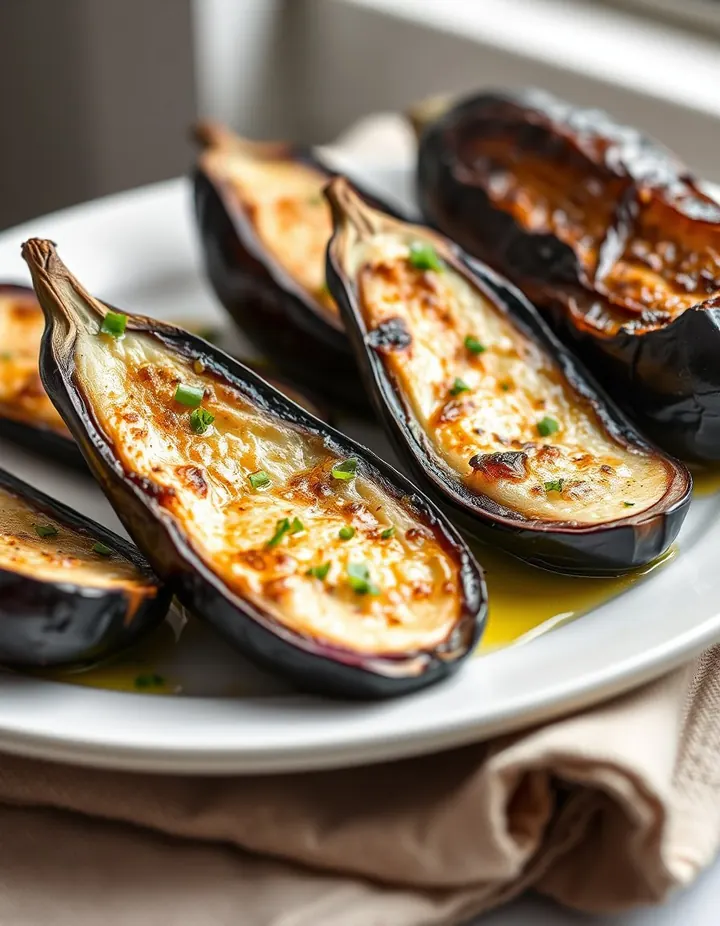 Eggplant Cakes34 recipes
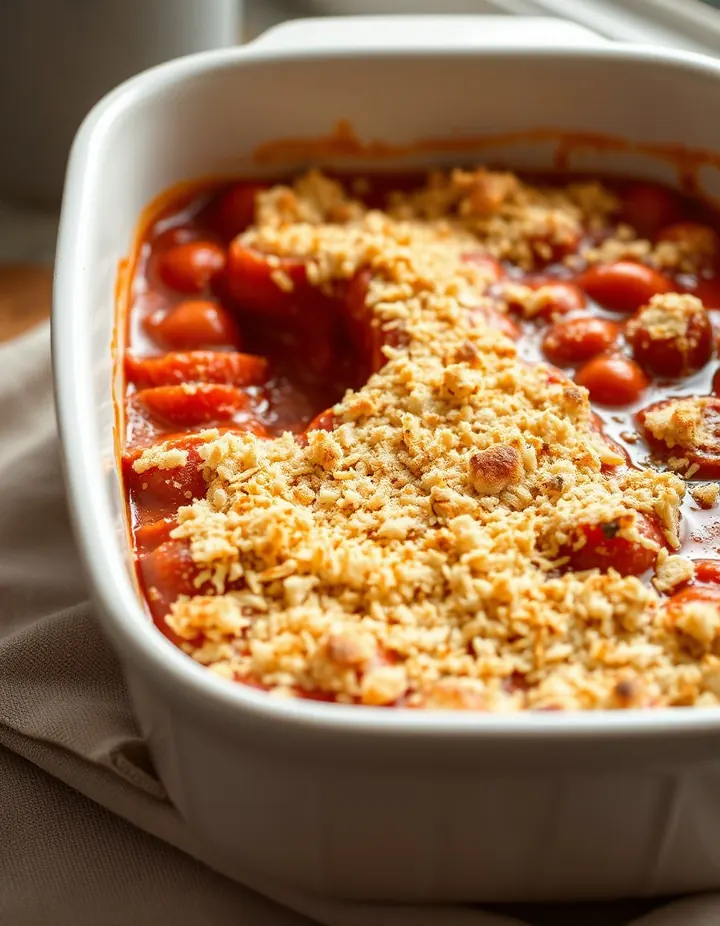 Escalloped Tomatoes (Scalloped Tomatoes)25 recipes
 Parsnip Croquettes12 recipes
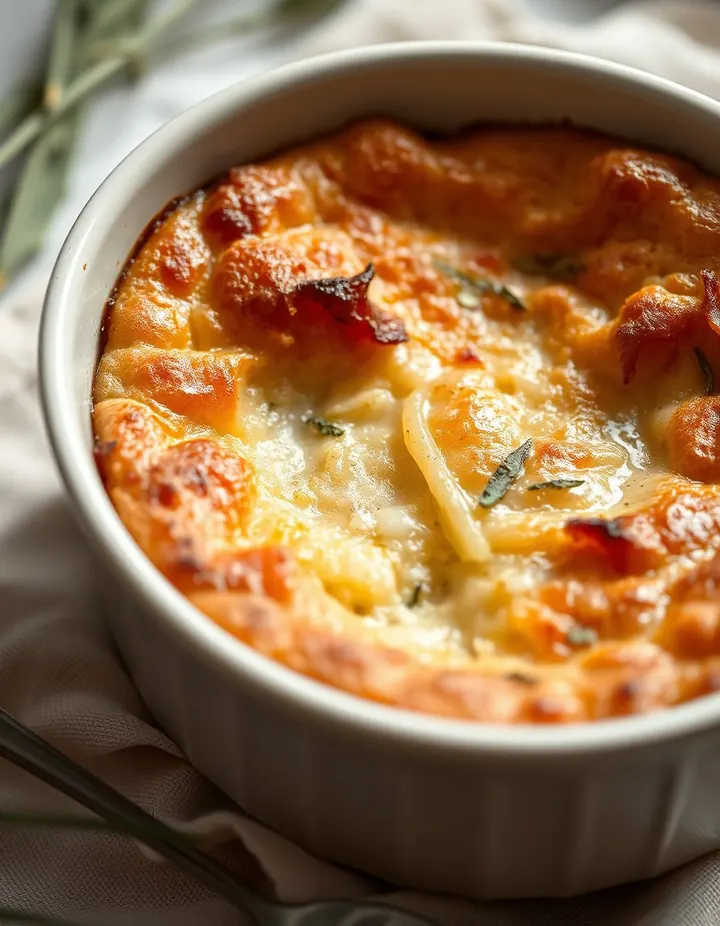 Onion Pudding9 recipes
The free Flavor Lab newsletter: one surprising pairing a week and the molecular reason it works, in 60 seconds. No spam, unsubscribe anytime.
Prefer an account? Create a free account to save pairings and unlock the full chemistry.