Why it works: Flour and milk are a kitchen classic. They rank in the top 14% of all ingredient pairs, and cooks put them together in 78,219 recipes. Both carry isobutyraldehyde, which smells malty, green. The science ↓
Gravies and Sauces for Vegetables
Ingredients
Directions
Brown gravy
Heat a pint of thin cream.
When boiling, add half a teaspoonful of salt and a tablespoonful of flour browned in the oven as directed on page 274, rubbed to a smooth paste with a little cold milk.
Allow it to boil rapidly, stirring constantly until thickened.
Cook more slowly in a double boiler for five or ten minutes.
If desired, flavor the milk with onion before adding the flour.
Cream or white sauce
Heat a pint of rich milk, part cream if it can be afforded, to boiling.
Stir in one tablespoonful of flour previously rubbed smooth in a little milk.
Season with salt and cook in a double boiler five or ten minutes, stirring frequently so no lumps form.
If lumps are found, turn the sauce quickly through a fine, hot colander into the serving dish.
Celery, egg and other sauces
Celery sauce: cut half a dozen stalks of celery into finger-lengths and simmer in milk for ten or fifteen minutes.
Skim out the celery.
Add a little cream to the milk, salt to taste, and thicken with flour as for white sauce.
Egg sauce: heat a pint of milk to boiling.
Stir in a dessertspoonful of flour rubbed smooth in a little milk, stirring constantly until well thickened.
Slowly turn in the well-beaten yolk of an egg, stirring rapidly so it is well mingled.
Boil up once only, add a very little salt, and serve.
Pea, tomato and serving
Pea gravy: prepare dried or green peas as directed for Lentil Gravy on page 226.
Tomato gravy: make a gravy of tomatoes as directed on page 261.
Tomato cream gravy: prepare a gravy as for Cream Sauce, using a slightly heaping measure of flour.
Just before serving, for each quart of cream sauce, beat in one cup of hot stewed tomato that has been put through a fine colander to remove all seeds.
Serve on boiled or baked potato.
Nutrition, whole recipe (rough)
What these numbers assume: 4 portions
| Ingredient | Portion assumed | kcal |
|---|---|---|
| Flour | 1 cup (125g) all-purpose | 455 |
| Milk | 1 cup (244ml) whole | 149 |
| Cream | 1 tbsp (15ml) heavy | 51 |
| Salt | 1 tsp (6g) | 0 |
One typical portion per ingredient; the recipe's quantities are not counted. A rough guide only, not for medical or dietary planning.
Transcribed from a scanned cookbook and modernised for today's kitchens. Where the book gave no heat or time, or said "a moderate oven", the temperatures and times here may be modern equivalents rather than the book's own figures. See the original page.
Explore the science
The flavor team
The pairs that carry this dish. Each one is judged two ways: how much their aromas overlap, and how often cooks already put them together.
-
Flour + milktop 14% of all pairsSmell alikelowCooked together78,219 recipes
Shared aroma: isobutyraldehyde (malty, green).
-
Milk + creamtop 18% of all pairsSmell alikemoderateCooked together29,399 recipes
Shared aroma: delta-dodecalactone (sweet, creamy).
-
Flour + creamtop 20% of all pairsSmell alikemoderateCooked together30,481 recipes
Shared aroma: acetaldehyde (pungent, ethereal).
Flour and milk barely smell alike, yet cooks put them together in 78,219 recipes: they work on texture and structure more than aroma.
Ranks compare each pair with 20,000 random ingredient pairs on CompKitchen. How we score pairs
What each ingredient does
- Flour
- Thickens the cream or milk into a smooth sauce as it cooks and gelatinizes.
- Milk
- Forms the liquid base of the white, celery and egg sauces, giving body and richness.
- Cream
- Adds fat and richness, giving the sauce a smoother, silkier texture.
- Egg yolk (in the method)
- Enriches and thickens the sauce slightly when gently stirred into the hot milk.
- Tomatoes (in the method)
- Add acidity and flavor to the tomato cream gravy.
The step that matters
Adding the flour to boiling liquid. Flour stirred in without constant motion clumps before its starch disperses, leaving lumps. Rubbing it smooth in a little cold milk first and stirring while it thickens keeps the sauce even.
“What each ingredient does” and “The step that matters” were written by Claude from this recipe’s own method and reviewed in samples by CompKitchen.
You might also like
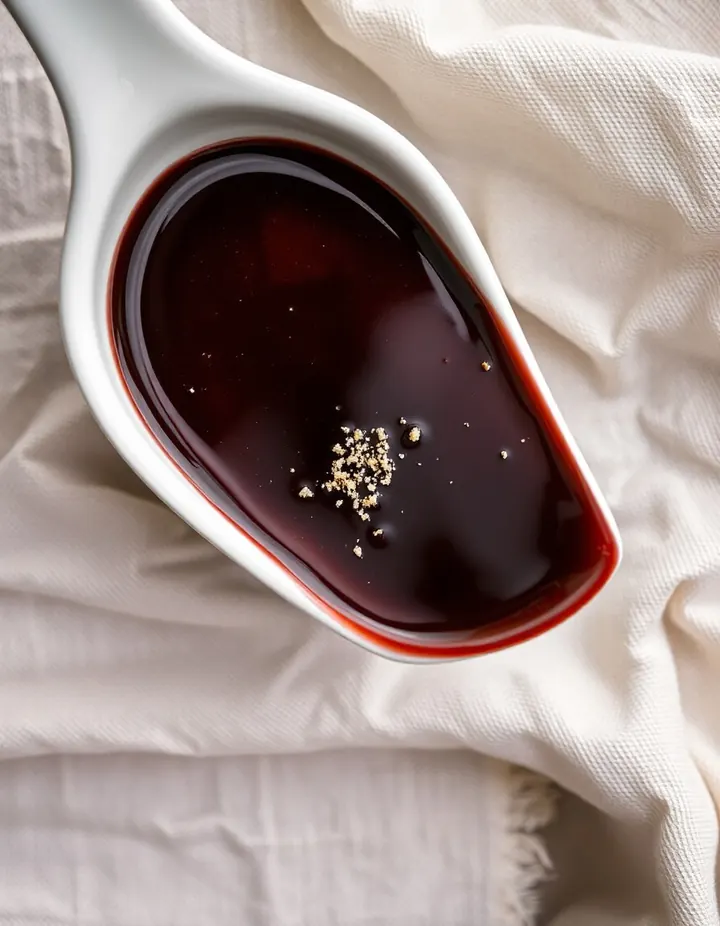 Wine Sauce (for stewed fruit)186 recipes
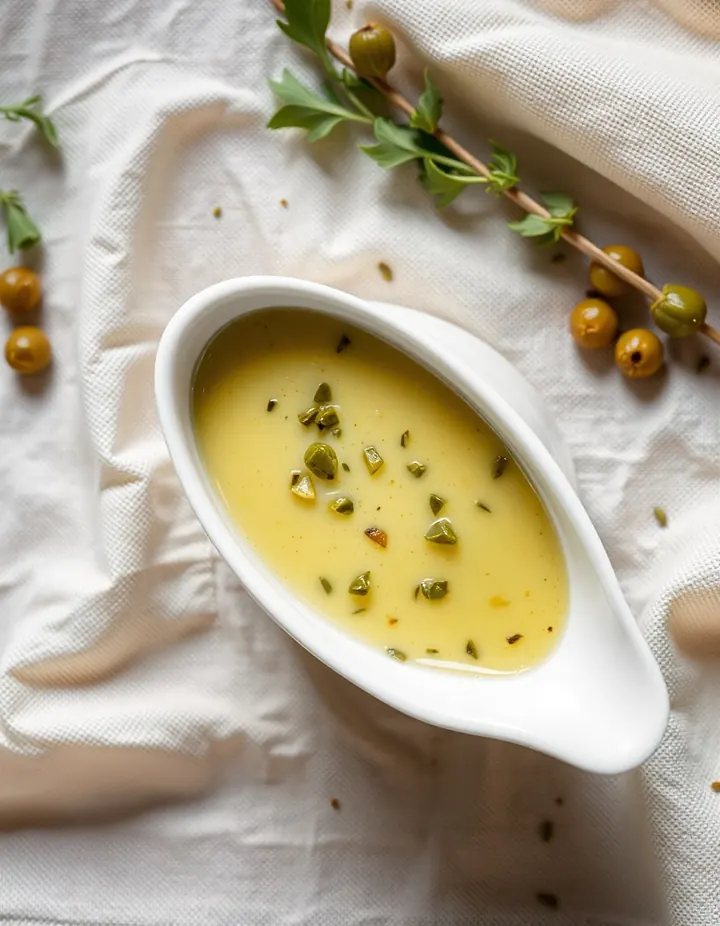 Caper Sauce180 recipes
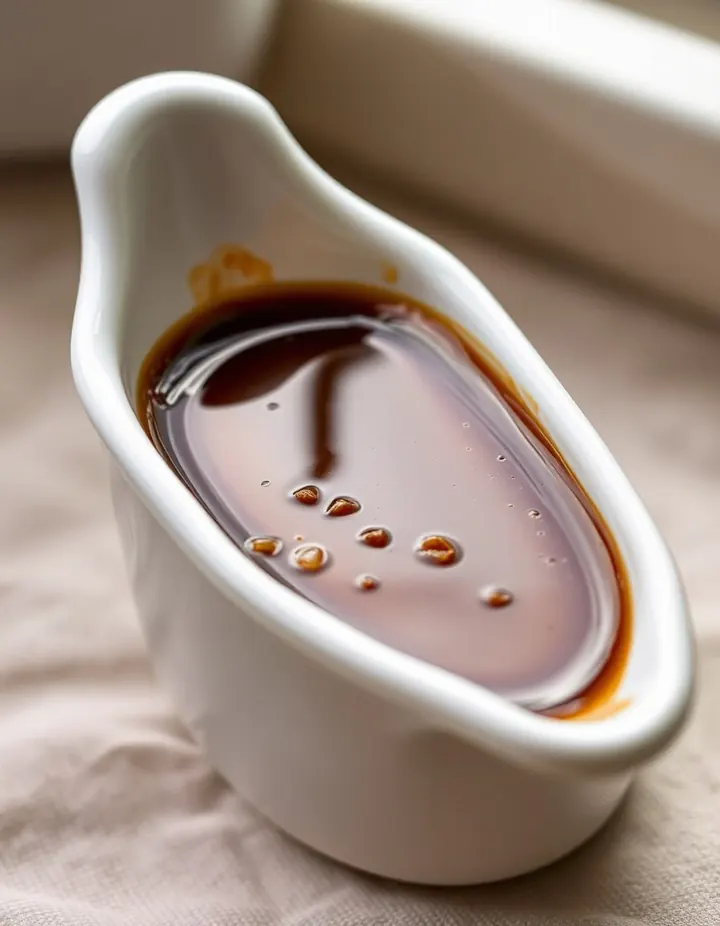 Brown Sauce141 recipes
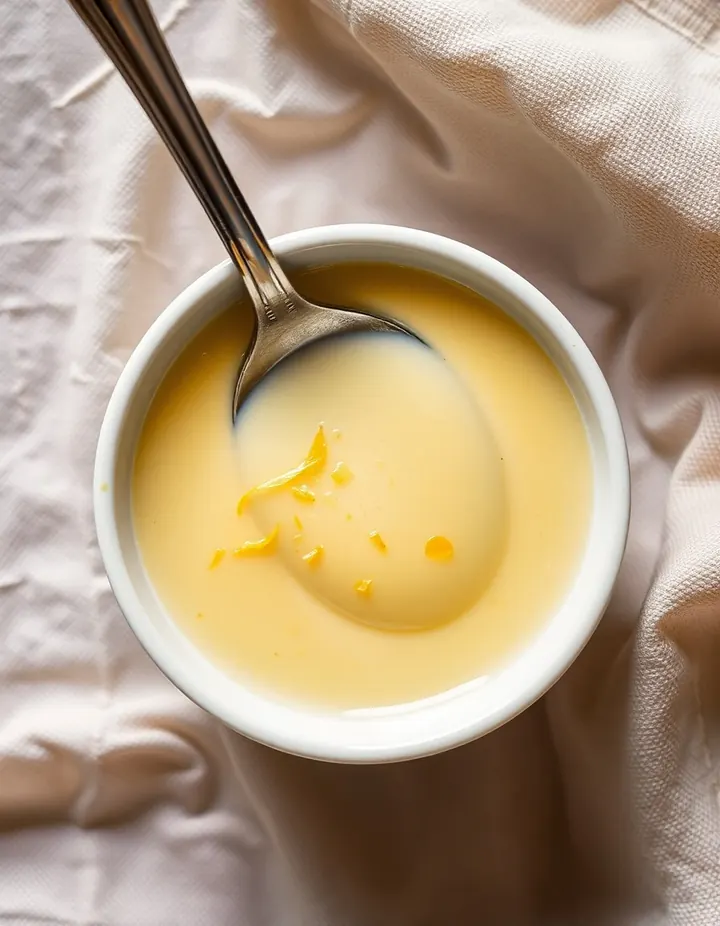 Dutch Sauce74 recipes
The free Flavor Lab newsletter: one surprising pairing a week and the molecular reason it works, in 60 seconds. No spam, unsubscribe anytime.
Prefer an account? Create a free account to save pairings and unlock the full chemistry.