Why it works: Flour and potato are a kitchen classic. They rank in the top 9% of all ingredient pairs, and 5,160 recipes mention both. Both carry isobutyraldehyde, which smells malty, green. The science ↓
The Sponge
enough sponge for four loavesIngredients
Directions
Mix the sponge
Mix flour with warm water or milk to make a thick batter; scald the liquid to prevent souring, cool, add yeast, cover, and let rise on the kitchen table.
In hot weather, use cold water; in winter, use very warm water or milk (~98°F) and stir in flour.
Cover closely and place in a warm, even temperature; fold a clean blanket over a large crock or jar to prevent overflow.
One small teacup of yeast and three pints of liquid will make enough sponge for four loaves.
Make the winter potato sponge
For a winter sponge with mashed potatoes: peel and boil four or five medium potatoes in two quarts of water until reduced to one quart; mash finely; make a well in the center, add one cup of flour, pour over the boiling potato water, stir thoroughly; when cool, add a pint of tepid water, enough flour to make a thin batter, and a cup of yeast.
Rise and bake
Add the yeast last, making sure it is not scalding; cover tightly and allow to rise; some bakers beat the sponge thoroughly like cake batter; bake on a griddle for breakfast cakes or in muffin rings.
Add a little salt and make the sponge rather thick if desired.
Transcribed from a scanned cookbook and modernised for today's kitchens. Where the book gave no heat or time, or said "a moderate oven", the temperatures and times here may be modern equivalents rather than the book's own figures. See the original page.
Explore the science
The flavor team
The pairs that carry this dish. Each one is judged two ways: how much aroma chemistry they share, and how many recipes mention both.
-
Flour + potatotop 9% of all pairsAroma overlaplowMentioned together5,160 recipes
Shared aroma: isobutyraldehyde (malty, green).
Ranks compare each pair with 20,000 random ingredient pairs on CompKitchen. How we score pairs
What each ingredient does
- Flour
- Forms the batter and builds the structure that the risen sponge holds.
- Yeast
- Produces gas as it ferments, making the sponge rise and become airy.
- Potatoes
- Mashed into the winter sponge, they add moisture and a soft texture.
The step that matters
Adding the yeast to cooled liquid. Yeast is killed by heat, so the liquid must be cooled after scalding before the yeast goes in. Hot liquid stops the rise, and the sponge stays flat and dense.
“What each ingredient does” and “The step that matters” were written by Claude from this recipe’s own method and reviewed in samples by CompKitchen.
You might also like
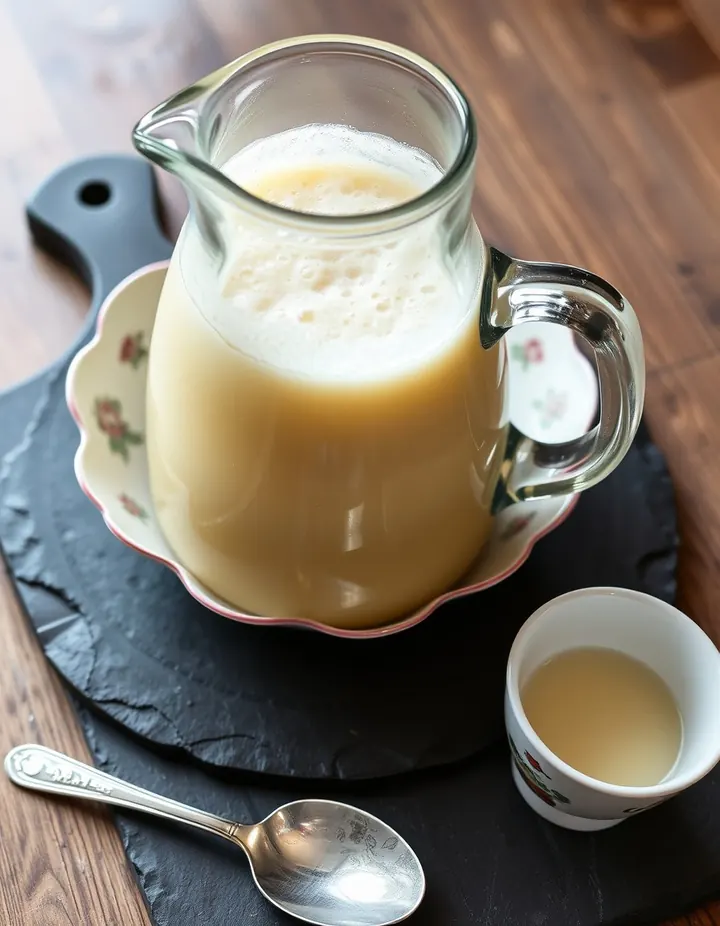 Potato Bread124 recipes
 Cornbread345 recipes
 Bread Pudding336 recipes
 Milk Bread Rolls242 recipes
The Sunday pairing: one pairing, the chemistry behind it, and how to cook it. No spam, unsubscribe anytime.
Prefer an account? Create a free account for sign-in; Pro adds the full results and chemistry.