Why it works: Flour and buttermilk are a kitchen classic. They rank in the top 8% of all ingredient pairs, and cooks put them together in 3,721 recipes. Both carry ethanol, which smells alcoholic, ethereal. The science ↓
Bread Sponge
Ingredients
Directions
Make the sponge
Mix five pints of warm water, five quarts of sifted flour and one coffee-cup of yeast in a two-gallon stone jar.
Cover the jar tightly and set it in a large tin pan, so that any sponge rising over the top of the jar drips into the pan.
Set the sponge to rise the evening before baking.
In winter, be careful to set the sponge in a warm place.
Knead and shape
Sift six quarts of flour into a pail.
Pour the sponge into the bread-pan or bowl and add two tablespoons of salt.
Add the flour gradually, mixing and kneading well.
Give the first kneading at least twenty minutes, as nearly all the flour is used in mixing and first kneading.
Make the bread into one large loaf and set it in a warm place to rise, covered with a cloth, for about half an hour.
Knead thoroughly again for ten minutes.
Take enough dough for three good-sized loaves, about a pint bowl of dough to each loaf.
Give each loaf five minutes of kneading and place it to rise in a dripping-pan well greased with lard.
Bake
Bake the loaves in a properly heated oven for half an hour.
Nutrition, whole recipe (rough)
Counts 6 of 7 ingredients. The other 1 aren't in our nutrition table and add nothing above, so the real totals are higher.
What these numbers assume: 6 portions
| Ingredient | Portion assumed | kcal |
|---|---|---|
| Flour | 1 cup (125g) all-purpose | 455 |
| Milk | 1 cup (244ml) whole | 149 |
| Lard | 1 tbsp (12.8g) | 115 |
| Egg | 1 large egg (50g) | 78 |
| Sugar | 1 tbsp (12.5g) granulated | 49 |
| Salt | 1 tsp (6g) | 0 |
| Water | not in our table | 0 |
One typical portion per ingredient; the recipe's quantities are not counted. A rough guide only, not for medical or dietary planning.
Transcribed from a scanned cookbook and modernised for today's kitchens. Where the book gave no heat or time, or said "a moderate oven", the temperatures and times here may be modern equivalents rather than the book's own figures. See the original page.
Explore the science
The flavor team
The pairs that carry this dish. Each one is judged two ways: how much their aromas overlap, and how often cooks already put them together.
-
Flour + buttermilktop 8% of all pairsSmell alikemoderateCooked together3,721 recipes
Shared aroma: ethanol (alcoholic, ethereal).
-
Buttermilk + sugartop 9% of all pairsSmell alikestrongCooked together2,973 recipes
Shared aroma: ethanol (alcoholic, ethereal).
-
Coffee + milktop 10% of all pairsSmell alikemoderateCooked together2,202 recipes
Shared aroma: 4-heptenal (creamy, biscuit).
-
Bread + milktop 11% of all pairsSmell alikemoderateCooked together11,466 recipes
Shared aroma: 2-undecenal (sweet).
-
Egg + breadtop 13% of all pairsSmell alikemoderateCooked together22,662 recipes
Shared aroma: (e)-2-octenal (fatty, green).
Ranks compare each pair with 20,000 random ingredient pairs on CompKitchen. How we score pairs
What each ingredient does
- Flour
- Forms the gluten network that gives the dough its structure and chew.
- Yeast
- Ferments the sugars in the dough, producing gas that makes the loaves rise.
- Salt
- Controls yeast activity and adds flavor to the bread.
- Lard
- Greases the pan and adds tenderness and a soft crumb.
The step that matters
Give the first kneading at least twenty minutes. Kneading develops the gluten network that traps the gas from fermentation. Mixing in the flour gradually and kneading long enough keeps the dough elastic so the loaves rise well and hold their shape.
“What each ingredient does” and “The step that matters” were written by Claude from this recipe’s own method and reviewed in samples by CompKitchen.
You might also like
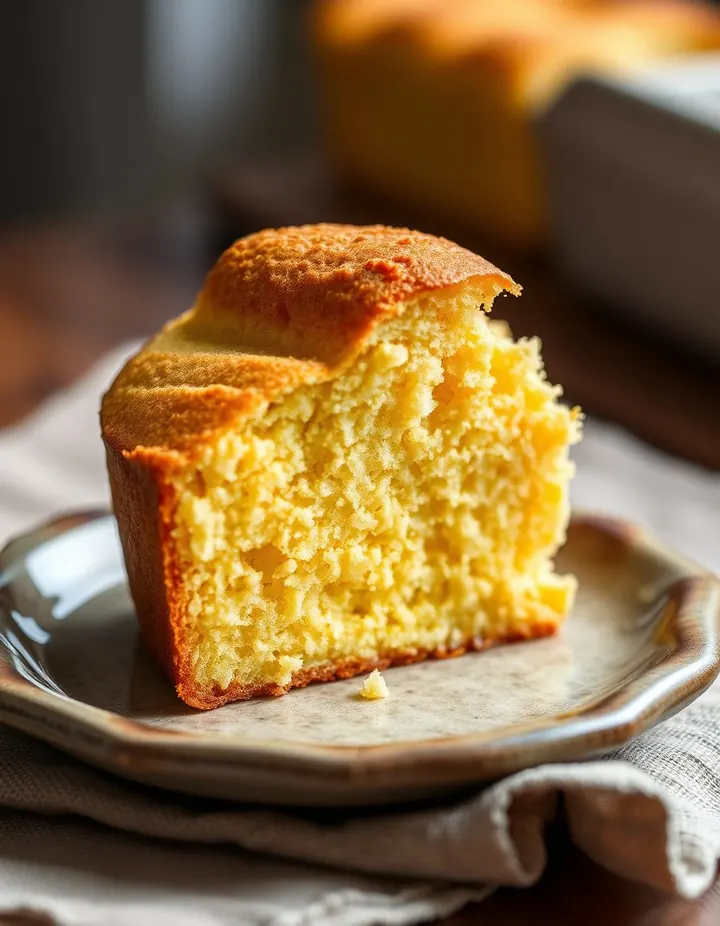 Cornbread345 recipes
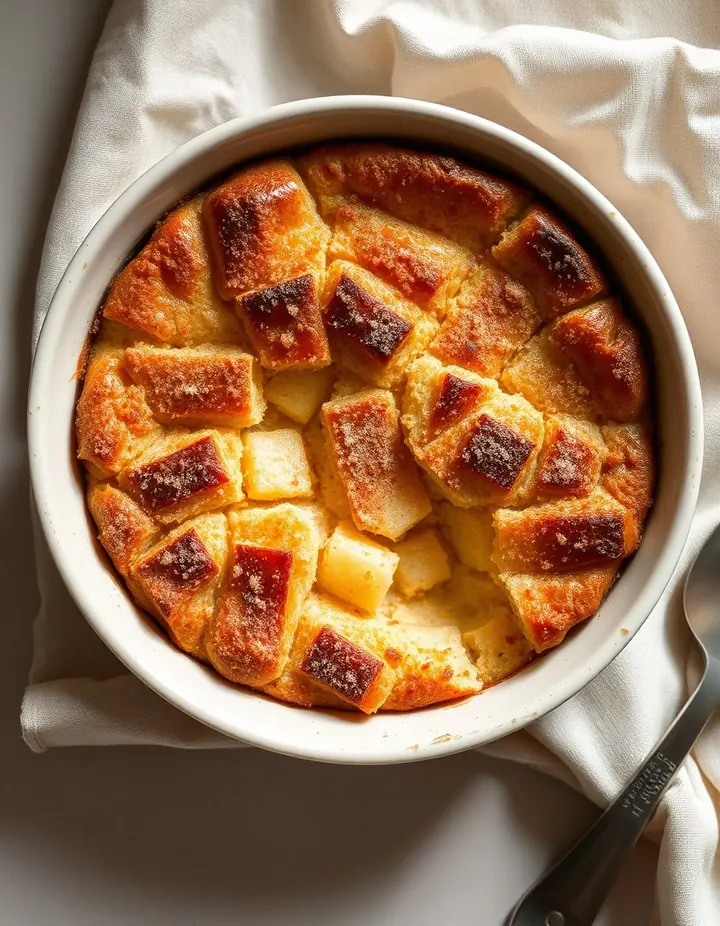 Bread Pudding336 recipes
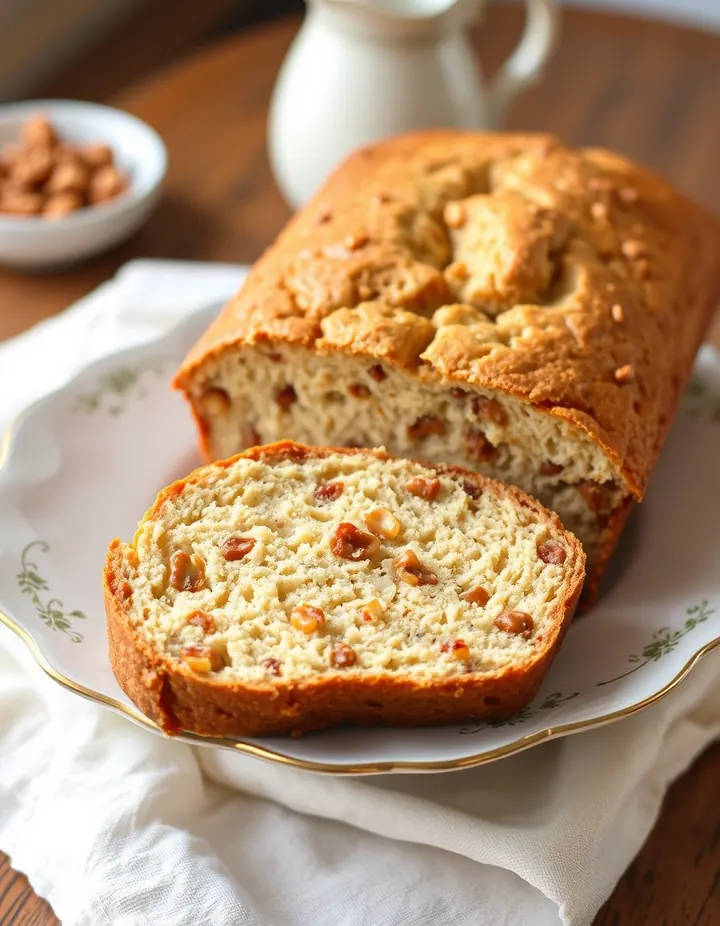 Nut Bread109 recipes
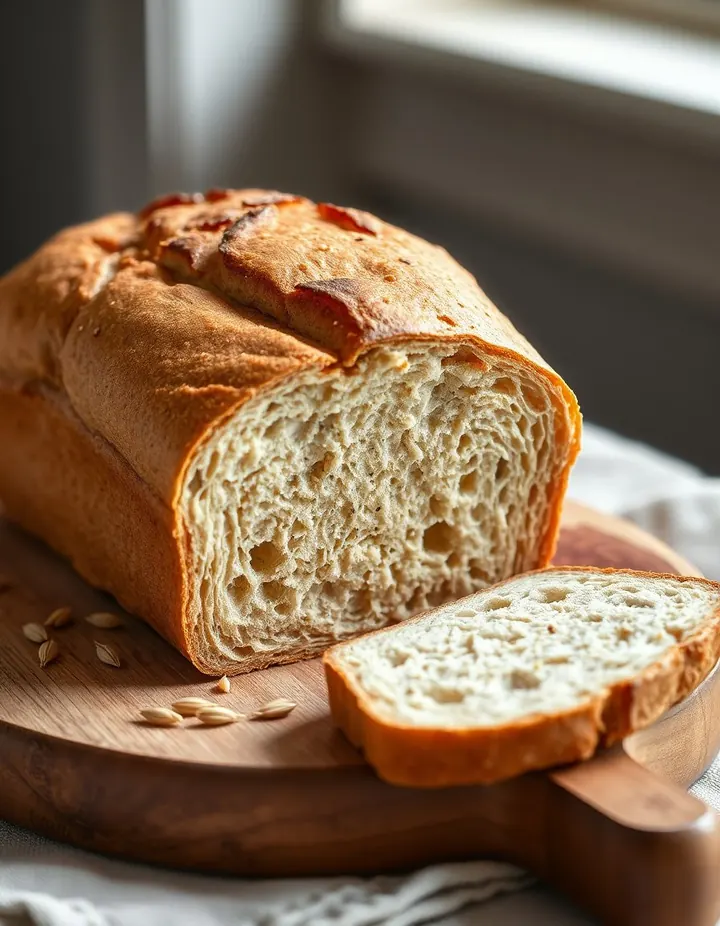 Wheat Bread65 recipes
The free Flavor Lab newsletter: one surprising pairing a week and the molecular reason it works, in 60 seconds. No spam, unsubscribe anytime.
Prefer an account? Create a free account to save pairings and unlock the full chemistry.