Catsups and Sauces
Ingredients
Directions
Always select perfect fruit ; cook in porcelain, never in metal. Some, in making catsup, instead of boiling, sprinkle the tomatoes with salt and let them stand over night, then strain and add spices, etc., and a little sugar. Bottle in glass or stone, and never use tin cans for catsups ; keep in a cool, dry, dark place. If, on opening, you find a leathery mould on top, carefully remove every particle of it, and the catsup will not be injured. To prevent this moulding of catsup some do not fill the bottles quite full, filling up with hot vinegar. If there are white specks of mould all through the catsup it is spoilt. If, on' opening and using a part, you fear that the rest may sour, scald, and, if too thick, add vinegar. Sauces should always be made in a pan set in hot water, with great care, having your sauce pan clean if you want a delicate flavor, especially if the sauce" is drawn butter.
Nutrition, whole recipe (rough)
What these numbers assume: 2 portions
| Ingredient | Portion assumed | kcal |
|---|---|---|
| Vinegar | 1 tbsp (15ml) distilled | 3 |
| Salt | 1 tsp (6g) | 0 |
One typical portion per ingredient; the recipe's quantities are not counted. A rough guide only, not for medical or dietary planning.
Transcribed from a scanned cookbook and modernised for today's kitchens. Where the book gave no heat or time, or said "a moderate oven", the temperatures and times here may be modern equivalents rather than the book's own figures. See the original page.
You might also like
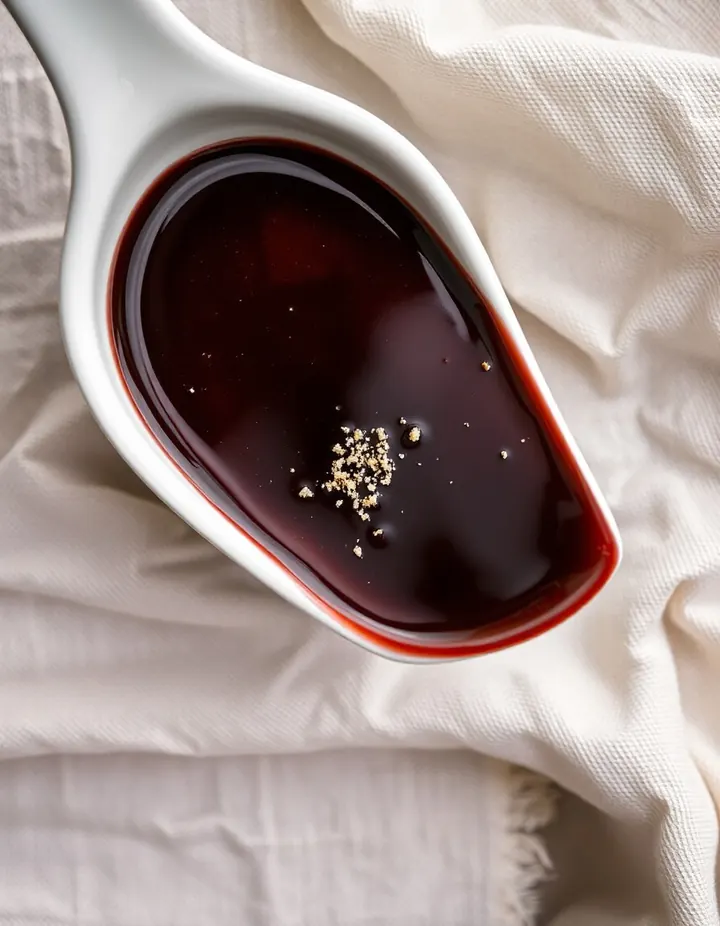 Wine Sauce (for stewed fruit)186 recipes
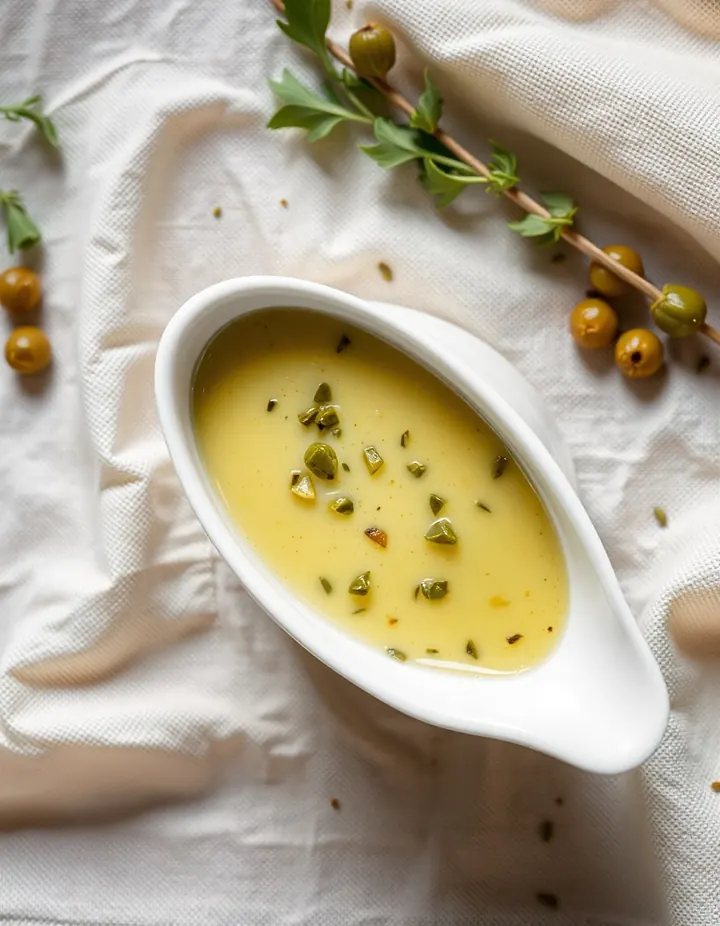 Caper Sauce180 recipes
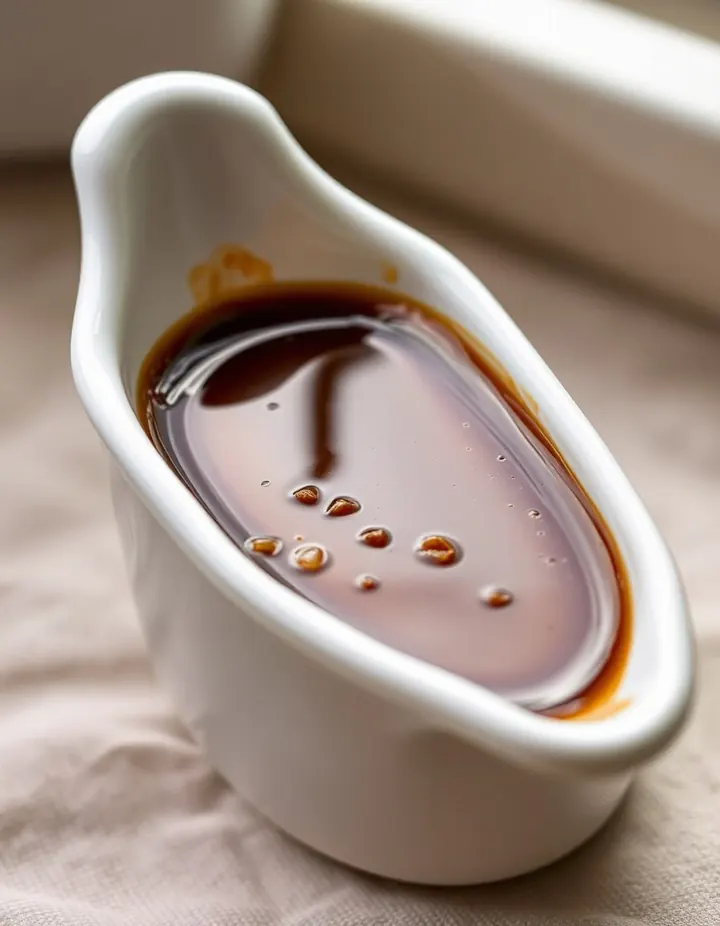 Brown Sauce141 recipes
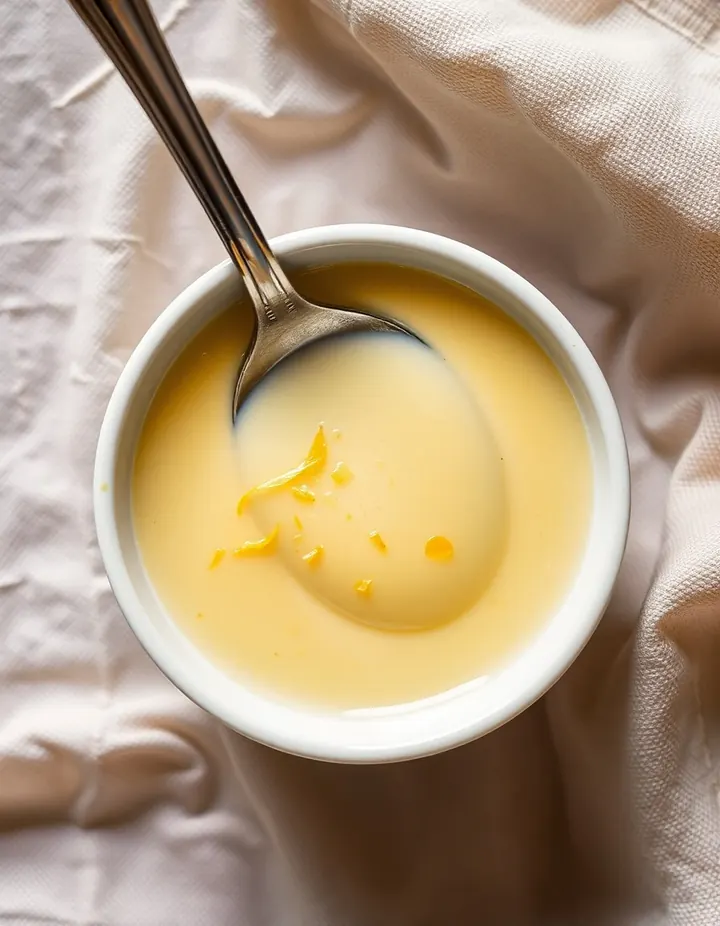 Dutch Sauce74 recipes
The free Flavor Lab newsletter: one surprising pairing a week and the molecular reason it works, in 60 seconds. No spam, unsubscribe anytime.
Prefer an account? Create a free account to save pairings and unlock the full chemistry.