Why it works: Lime and sugar are a kitchen classic. They rank in the top 29% of all ingredient pairs, and cooks put them together in 3,332 recipes. Both carry 1-penten-3-one, which smells fish, pungent. The science ↓
To Prepare Skeleton Leaves
Ingredients
Directions
When properly prepared, skeleton leaves form a companion to the scrap book or collection of pressed ferns, fronds, etc. This is a tedi- ous operation, and requires skill and great patience to obtain satis- factory results. Some leaves are easier to dissect and make better specimens than others, and as a rule a hard thin leaf should be chosen ; that is, when a special variety is not required. Among those which are skeletonized most successfully, are the English ivy, box elder, willow, grape, pear, rose, etc. They should be gathered during the month of June, or as soon as the leaf is fully developed. The leaves should be immersed in a vessel of rain water and allowed to remain till decomposed ; when this takes place, press the leaf between pieces of soft flannel and the film will adhere to the flannel, leaving a perfect net work ; dry off' gradually and clean the specimen with a soft hair pencil, place between folds of soft blotting paper, and when perfectly dry, place in your collection. To bleach the leaves, dissolve one-half pound chloride of lime into three pints of rain water, strain and use one part of solution to one of water. For ferns use the solution full strength. When perfectly white remove to clear water, let stand for several hours, changing water two or three times, float out on paper and press between blotting paper in books. In mounting use mucil- age made of five parts gum arable, three parts white sugar, two parts starch ; add very little water, boil and stir till thick and white.
Nutrition, whole recipe (rough)
Counts 2 of 3 ingredients. The other 1 aren't in our nutrition table and add nothing above, so the real totals are higher.
What these numbers assume: 2 portions
| Ingredient | Portion assumed | kcal |
|---|---|---|
| Sugar | 1 tbsp (12.5g) granulated | 49 |
| Lime | juice of 1 lime (44ml) | 11 |
| Water | not in our table | 0 |
One typical portion per ingredient; the recipe's quantities are not counted. A rough guide only, not for medical or dietary planning.
Transcribed from a scanned cookbook and modernised for today's kitchens. Where the book gave no heat or time, or said "a moderate oven", the temperatures and times here may be modern equivalents rather than the book's own figures. See the original page.
Explore the science
The flavor team
The pairs that carry this dish. Each one is judged two ways: how much their aromas overlap, and how often cooks already put them together.
-
Lime + sugartop 29% of all pairsSmell alikelowCooked together3,332 recipes
Shared aroma: 1-penten-3-one (fish, pungent).
Ranks compare each pair with 20,000 random ingredient pairs on CompKitchen. How we score pairs
You might also like
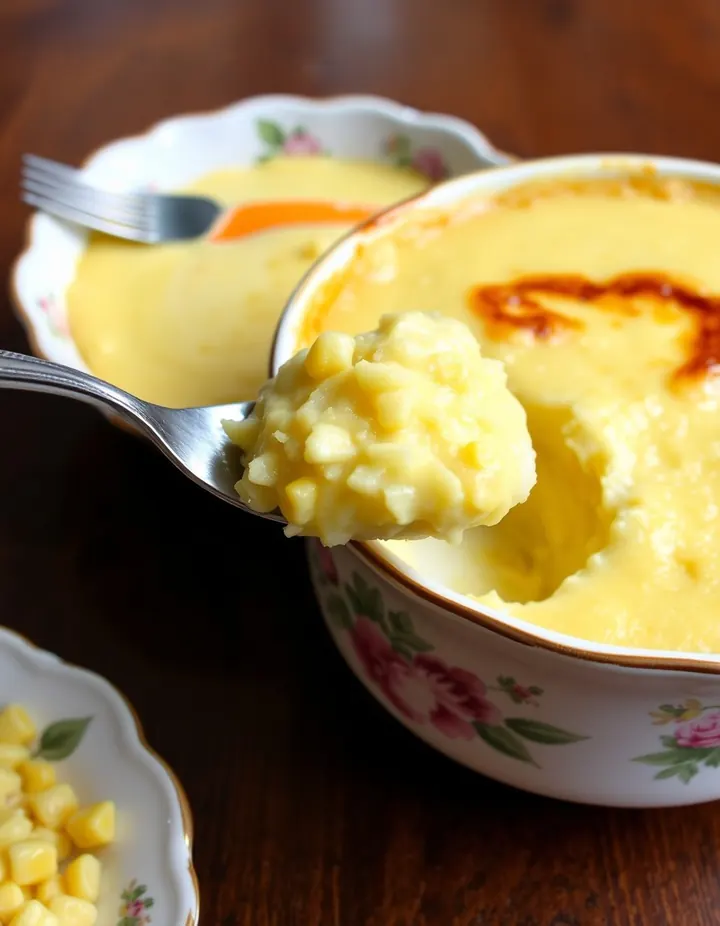 Green Corn Pudding64 recipes
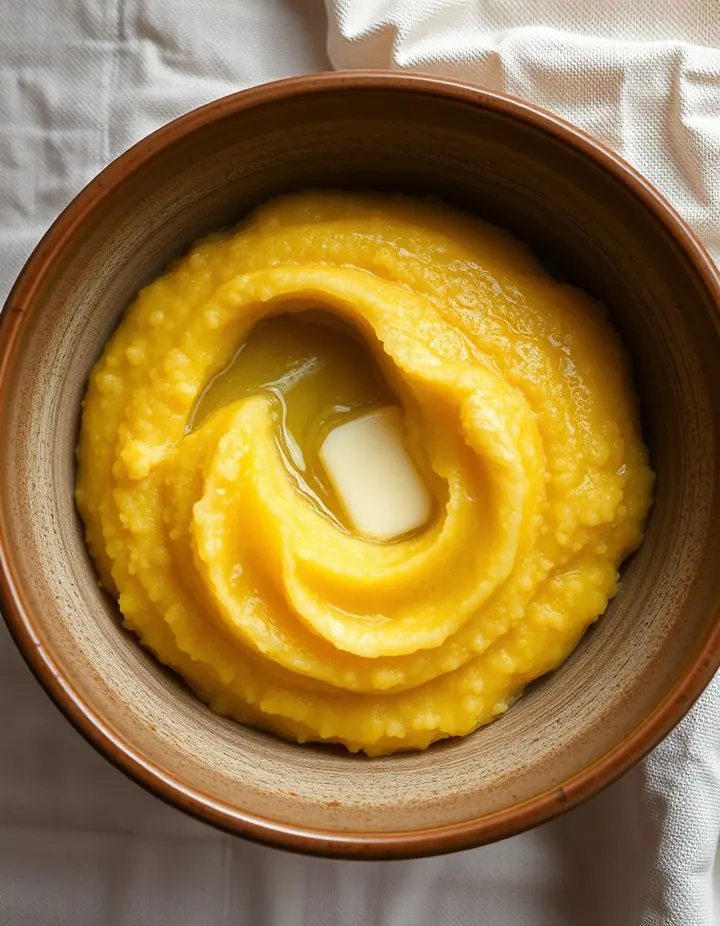 Cornmeal mush12 recipes
The free Flavor Lab newsletter: one surprising pairing a week and the molecular reason it works, in 60 seconds. No spam, unsubscribe anytime.
Prefer an account? Create a free account to save pairings and unlock the full chemistry.