Why it works: Bread and egg are a kitchen classic. They rank in the top 13% of all ingredient pairs, and cooks put them together in 22,662 recipes. Both carry (e)-2-octenal, which smells fatty, green. The science ↓
To Bake Bread
Ingredients
Directions
Here is the important point, for the bread may be perfect thus far and then be spoiled in baking. No definite rules can be given that apply equally well to every stove and range ; but one general rule must be observed, which is, to B'read and Biscuit Pans, havc a stcadv, modcratc heat, such as is more minutely described in the directions for baking large cakes. The oven must be just hot enough ; if too hot, a firm crust is formed be- fore the bread has expanded enough, and it will be heavy. To test the heat, place a teaspoon of flour on an old piece of crockery (to secure an even heat), and set in middle of the oven ; if it browns in one minute the heat is right. An oven in which the bare hand and arm can not be held longer than to count twenty moderately is hot enough ; or the "paper test" is to put half a sheet of writing paper in the oven ; if it catches fire it is too hot ; open the dampers and wait ten minutes, when put in another piece of paper ; if it blackens it is still too hot. . Ten minutes later put in a third piece ; if it gets dark hrown the oven is right for all small pastry, called ^^dark h'oum pa- lmer heat.''' Light hrovin paper heat is suitable for vol-au-vents or fruit pies. Dark yellow paper heat for large pieces of pastry or meat pies, pound cake, bread, etc. Light yellow paper heat for sponge cake, meringues, etc. To obtain these various degrees of heat, try paper every ten minutes till heat required for the purpose
BRHAD-MAKIN«. 15
is attained. Remember that "light yellow" means paper only tinged ; "dark yellow," paper the color of ordinary pine wood ; "light brown" is only a shade darker, about the color of nice pie-crust, and dark brown a shade darker, by no means coffee color. The attention of stove-makers seems never to have been directed to the fact that there is no accurate means of testing the heat of ovens, but it is to be hoped that in the near future some simple device, or practical ap- plication of the thermometer, may be found which will render un- necessary such inaccurate and untrustworthy tests as must now be used, and thus reduce baking to a science ; and even now busy brains are at work to secure this result, prompted by a suggestion in our first edition. The oven door should be closed immediately upon putting the bread in, and be sure that no part of the range is open during the baking ; r^gjpniffff ir IwffHya^ neither should the door be opened too soon nor too ^K^^WI^y often to look at the bread. About ten minutes o*ai Bread Fan. after puttifeg in the loaves it is best to look into the oven to see how the bread is doing, and once or twice again during the baking, as the loaves may require changing, opening and closing the door as quickly as possible. If the loaves begin to brown too quickly cover with a piece of thick brown paper; if they begin to brown quickly at one end and not at the other change their position, or if the loaf at the back of the oven bakes faster than those at the front change them about. To test whether the bread is done, break the loaves apart and press gently with the finger; if elastic, it is done, b
As a quantity of dough to begin with somewhat reduces the temperature of the oven at first, one loaf will not require so hot an oven as four or five. The time required for baking is not less than three-quarters of an hour, and bread baked a full hour is more wholesome and is generally considered more palatable. If bread in
baked in the French roll pan it does not require so long a time, as the "rolls" are only about two and a half to three inches deep and same width, being rounded at the bottom. They are very nice for slicing, making pretty sized pieces. The pans come in different lengths, eiglit, twelve, sixteen and twenty inches. All loaves of bread of whatever shape, and biscuit, rolls, etc., are much nicer if when almost baked they are carefully moved out on oven shelf and brushed, using the pastry brush, with the Boll Glaze^ which is two eggs beaten with twice their bulk in water and half teaspoon sugar, and then returned to oven till done. When removed from the oven, take the loaves out of the pan, grease the entire outer crust with melted butter, and tilt them on edge, so as to secure a free circulation of air. It is bet- ter not to cover bread while warm, unless with a light cloth to keep off" flies. Thorouglily exposed to the air tlie surface cools first, in- suring a crisp crust and the retention of the moisture^n the loaf. There are those, however, who follow successfully the plan of wrap- ping bread, as soon as it is removed from the oven, in a coarse towel or bread-cloth. Never put warm bread next to wood, as the part in contact will have a bad taste. Spread a clotli over the table before placing the bread on it ; or have an oaken board for the purpose, covered with heavy white flannel, and over this spread a fresh linen bread-cloth, and lay the bread on it right side up, with a thin covering to keep off" flies, placing it at once in the fresh air to cool ; but the "bread cooler" illustrated on page 20 is better than either of the above ways. The best pan for bread, and many prefer it f
If by accident or neglect the bread is baked too hard, rub the loaf over with butter, wet a towel and wrajjitinit, and cover Avith another dry towel. In winter, bread dough may be kept sweet several days by placing it where it will be cold without freezing, or by putting it so deep into the flour barrel as to exclude it entirely from the air. When wanted for use, make into bread, or, by adding the proper in- gredients, into cake, rusk, biscuit, apple dumplings, chicken pie, etc.
Nutrition, whole recipe (rough)
What these numbers assume: 3 portions
| Ingredient | Portion assumed | kcal |
|---|---|---|
| Flour | 1 cup (125g) all-purpose | 455 |
| Egg | 1 large egg (50g) | 78 |
| Sugar | 1 tbsp (12.5g) granulated | 49 |
One typical portion per ingredient; the recipe's quantities are not counted. A rough guide only, not for medical or dietary planning.
Transcribed from a scanned cookbook and modernised for today's kitchens. Where the book gave no heat or time, or said "a moderate oven", the temperatures and times here may be modern equivalents rather than the book's own figures. See the original page.
Explore the science
The flavor team
The pairs that carry this dish. Each one is judged two ways: how much their aromas overlap, and how often cooks already put them together.
-
Bread + eggtop 13% of all pairsSmell alikemoderateCooked together22,662 recipes
Shared aroma: (e)-2-octenal (fatty, green).
-
Sugar + flourtop 15% of all pairsSmell alikemoderateCooked together92,116 recipes
Shared aroma: phenylacetaldehyde (hawthorne, honey).
-
Flour + eggtop 15% of all pairsSmell alikelowCooked together106,462 recipes
Shared aroma: isobutyraldehyde (malty, green).
-
Sugar + eggtop 21% of all pairsSmell alikemoderateCooked together122,807 recipes
Shared aroma: 2-nonenal (fatty, green).
-
Flour + breadtop 25% of all pairsSmell alikelowCooked together10,383 recipes
Shared aroma: isobutyraldehyde (malty, green).
Flour and egg barely smell alike, yet cooks put them together in 106,462 recipes: they work on texture and structure more than aroma.
Ranks compare each pair with 20,000 random ingredient pairs on CompKitchen. How we score pairs
You might also like
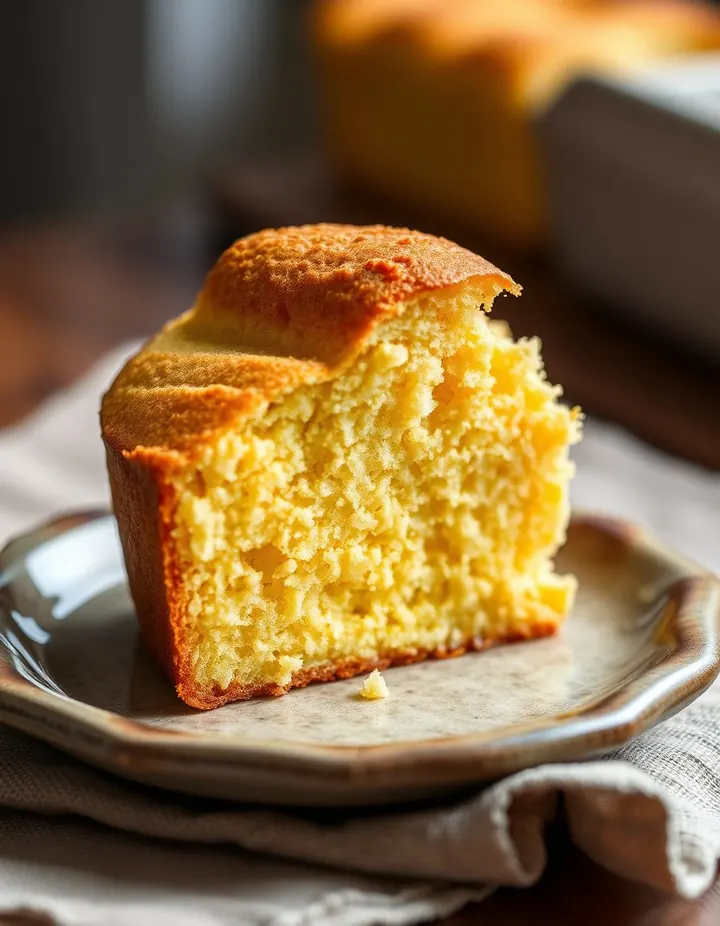 Cornbread345 recipes
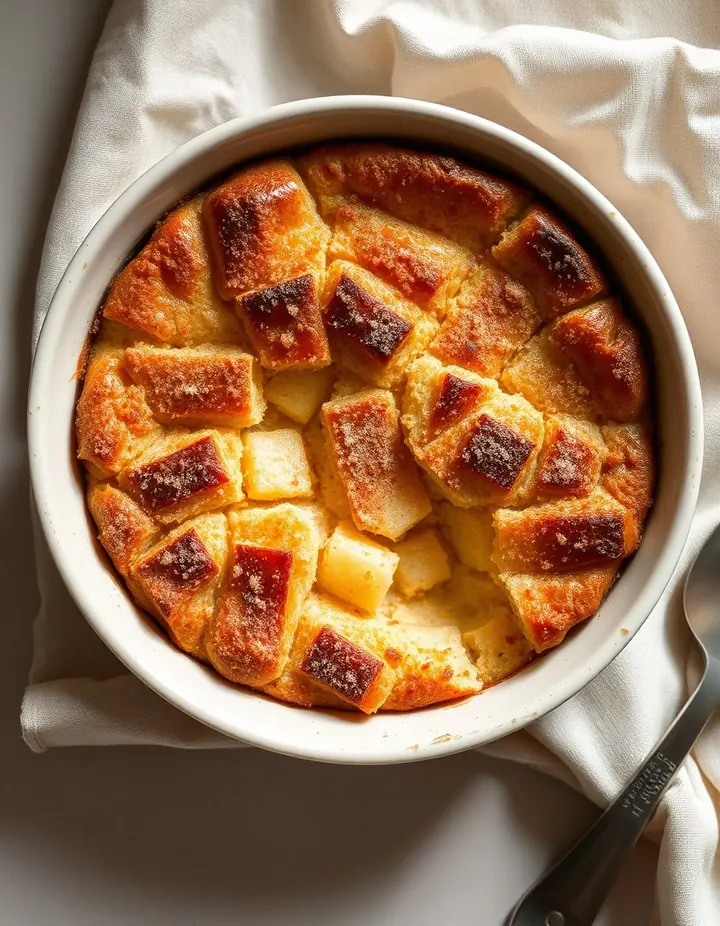 Bread Pudding336 recipes
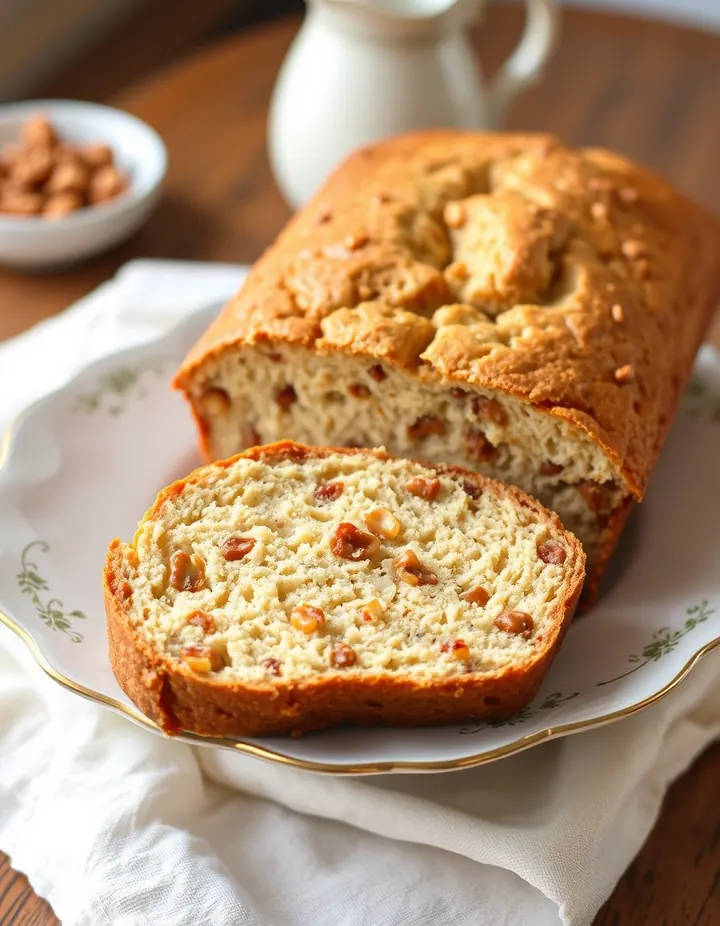 Nut Bread109 recipes
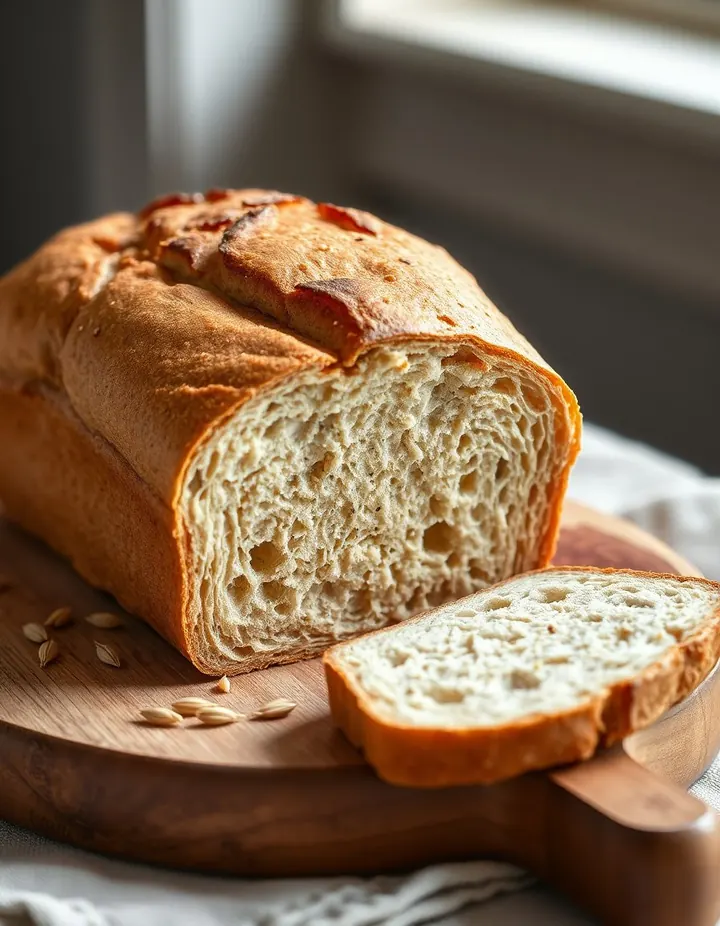 Wheat Bread65 recipes
The free Flavor Lab newsletter: one surprising pairing a week and the molecular reason it works, in 60 seconds. No spam, unsubscribe anytime.
Prefer an account? Create a free account to save pairings and unlock the full chemistry.